Domestic Killers More Likely to Have Serious Mental Illness, Study Says
(Aug. 27, 2015) Severe mental illness was found to be more prevalent among people who murdered family members or intimate partners than those who killed strangers, according to a new study published in the Journal of Forensic Sciences (“The killer in your home: Domestic-violence researcher works up a profile,” Chicago Tribune, Aug. 25).
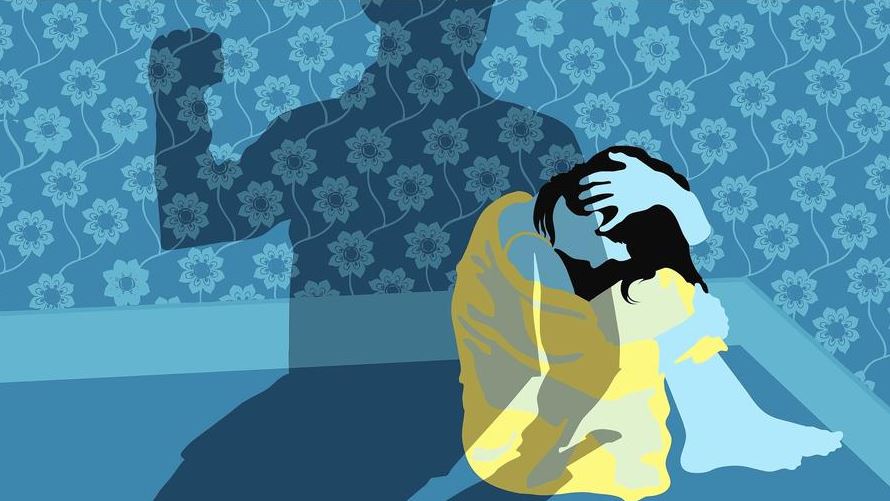 The Northwestern University study examined the demographics and psychiatric history of individuals who had murdered relatives or close others and compared them with those who had murdered strangers. The Northwestern University study examined the demographics and psychiatric history of individuals who had murdered relatives or close others and compared them with those who had murdered strangers.
Researchers spent more than 1,500 hours interviewing and personally evaluating 153 murderers. Participants were women and men charged with and/or convicted of first-degree murder in Arizona, Colorado, Illinois, Indiana, and Missouri.
They found that those who killed loved ones have a different psychological profile than those who killed unknowns, including a higher likelihood of psychotic disorders.
Hanlon cautions that mental illness alone is not necessarily a sign of potential violence.
"But if you have someone who does have a severe mental illness who, most importantly, has a history of violence against others, then those are two big factors that need to be taken into consideration," Hanlon said.
The finding of the study could have enormous implications for family members of those living with a severe mental illness.
“These crimes are often preventable if family members are more informed about the potential danger from having someone who is severely mentally ill in the home and who may have shown violent tendencies in the past,” the authors said.
Indeed, individuals with a history of mental illness (not including drug or alcohol abuse) are responsible for approximately 25 percent of homicides in the United States in which an individual his or her parent, according to a Department of Justice study.
The recent tragedy in which Oklahoma Labor Commissioner Mark Costello was stabbed to death by his son during a psychotic break serves as an example of the sometimes dangerous interaction between those with untreated serious mental illness and their families.
Read the Treatment Advocacy Center backgrounder “What percentage of homicides are attributable to individuals with serious mental illness” to learn more.
To comment, visit our Facebook page.
CRIMINAL JUSTICE DIVERSION PROGRAMS GET A BOOST ON CAPITOL HILL
 (Aug. 27, 2015) August, typically considered a sleepy month on Capitol Hill, turned out to be a watershed moment for assisted outpatient treatment (AOT) and other criminal justice diversion programs. (Aug. 27, 2015) August, typically considered a sleepy month on Capitol Hill, turned out to be a watershed moment for assisted outpatient treatment (AOT) and other criminal justice diversion programs.
Two bills were introduced earlier this month that included AOT and other proven diversion strategies for treating instead of jailing people with severe mental illness - programs that have been long supported by the Treatment Advocacy Center.
Senator John Cornyn (R-TX) introduced the Mental Health and Safe Communities Act which would make additional federal funding opportunities available to expand AOT for the most severely ill before they become entangled in the criminal justice system. The bill also increases training for law enforcement on how to handle people in a psychiatric crisis and supports data collection on the criminalization of mental illness. Read more about the Mental Health and Safe Communities Act.
“Getting arrested should not be the first step in getting treatment,” said Treatment Advocacy Center Executive Director John Snook. “Senator Cornyn’s bill will help ensure people with severe mental illness get help before they deteriorate to the point of crisis.”
Also at the federal level, the bipartisan Mental Health Reform Act of 2015, unveiled by Senators Chris Murphy (D-CT) and Bill Cassidy (R-LA), would make it easier for states to implement court-ordered outpatient treatment by providing funding for local programs through a federal grant program. The bill seeks to reform America’s mental health system so that it meets the needs of all patients, the senators said at a press event in August. Read more about the Mental Health Reform Act of 2015.
“If passed into law, these provisions would expand access to treatment through proven outpatient treatment programs, catalyze important jail diversion programs and bolster the availability of treatment in acute facilities for those in need," Snook continued.
You can help.
Write your US senators today and tell them to support efforts to ensure treatment before incarceration. Include your story about what these bills would mean for you and your family.
Treat, Don't Jail, the Mentally Ill – guest commentary
(Aug. 26, 2015) Arkansas has an opportunity to address our incarceration crisis, save the state money and make our communities safer by helping people with mental health problems.
 Arkansas arrests and jails too many nonviolent people simply because they have an untreated mental illness. Over-representation of those with mental illness in jails has increased over the past several decades due to diminishing mental health services. Arkansas arrests and jails too many nonviolent people simply because they have an untreated mental illness. Over-representation of those with mental illness in jails has increased over the past several decades due to diminishing mental health services.
A seasoned police officer may know when a disturbance is caused by someone having difficulty with his or her thinking. Unfortunately the officer has few choices. The officer can take the citizen to jail or to the emergency room. Neither option is appropriate. Both the officer and offender often wait long hours in the ER, if they are even seen. Alternatively, locking up a person needing mental health services is cruel and counterproductive, and often leads to a downward spiral in the person's health.
The cost of mental health treatment is a concern. However, a recent study commissioned by the Arkansas Public Policy Panel found that a year of incarceration and the associated legal costs to the state for each person are at least 20 times higher than the cost of mental health crisis treatment and ongoing counseling for mental problems.
Communities around the country are adopting successful and cost-effective solutions. Diversion from jail to a 24/7 crisis center is a first step. Nonviolent people in emergency situations can be taken by law enforcement, family members, or on their own, for assessment and connection to services for mental health.
The second component of the solution is crisis intervention training, or CIT, for all law enforcement personnel. Officers learn to identify a person in a mental health crisis and how to help that person extract himself from the trouble his illness is causing. Once the officer has de-escalated a situation, he or she needs somewhere to take the ill person. The crisis center is the natural needed place.
Third is follow-up assistance. A community mental health center or another agency needs to provide case management by a mental health professional and/or a peer counselor. A trusting relationship can develop as medication, housing, work and other needs are addressed during weekly meetings. This prevents a revolving door and addresses problems at the root cause.
These reforms will save money for the state and municipalities while making our communities safer, enriching the lives of citizens experiencing symptoms of mental illness and relieving families of untold heartbreaks. How often do all of those benefits align?
NANCY KAHANAK
JUDICIAL EQUALITY FOR MENTAL ILLNESS
Read the entire column.
To comment, visit our Facebook page.
Visit our blog archive to read all our recent posts.
“Society Cannot Ignore Problem” of Untreated Mental Illness
(Aug. 25, 2015) Last April, Oklahoma State Labor Commissioner Mark Costello thanked mental health advocates for the help they gave his family. Now, a little over four months later, Costello is dead—allegedly stabbed to death by his mentally ill son (“Mark Costello had spoken about need for better mental health care in Oklahoma,” the Oklahoman, Aug. 24.)
 During his speech, Costello urged the audience "…we must be understanding and understand that society cannot ignore this problem, and if it does so, it does so at its peril.” During his speech, Costello urged the audience "…we must be understanding and understand that society cannot ignore this problem, and if it does so, it does so at its peril.”
The Costello family had struggled for more than five years to find consistent mental health treatment for 26-year-old Christian Costello, who had been diagnosed with schizophrenia and suffered from paranoid thoughts about his parents, according to a family spokesman. Christian also had multiple run-ins with law enforcement since 2010, according to police records.
But mental health treatment was, and still is, hard to come by in Oklahoma.
For now, Christian remains in jail, with the scores of other people with mental illness who were also unable to receive treatment.
With just 10.7 public psychiatric beds per 100,000 people, Oklahoma fails to meet the 50 bed minimum standard considered necessary to provide adequate treatment for individuals with severe mental illness.
This is especially concerning, since Oklahoma ranks second in the nation for the highest rates of adults with serious mental illnesses, according to the Substance Abuse and Mental Health Services Administration.
Tragedies like this will undoubtedly continue until policy makers, lawmakers and society at large recognizes the peril that is caused when consistent, quality mental health treatment is not made readily available for those with the most severe psychiatric illnesses.
Read the Treatment Advocacy Center report “No Room at the Inn: Trends and Consequences of Closing Public Psychiatric Hospitals” to learn more.
To comment, visit our Facebook page.
Visit our blog archive to read all our recent posts.
Public Libraries: De Facto Shelters for People Who Need Treatment Instead
(Aug. 24, 2015) Our nation’s public libraries are increasingly becoming daytime shelters for people who are homeless, severely mentally ill and in need of treatment (“Libraries on the front lines of the homelessness crisis in the United States,” the Conversation, Aug. 18).
 About half of the library's regular patrons are either mentally ill or homeless, estimates one librarian, who described some of the patrons to the Conversation. About half of the library's regular patrons are either mentally ill or homeless, estimates one librarian, who described some of the patrons to the Conversation.
“Big Bob,” a large man in his 40's who frequently regales the librarians with accounts of his exploits as a member of special ops forces in the military.
John is a reclusive man always attired in combat fatigues and heavy-duty army boots who turned out, in the bitterest cold of winter, to be suffering from severe frostbite.
"The library often serves as a destination for people who have no place to go," said one librarian who has worked at a public library for over 30 years. "Some may resent the presence of [people with mentall illness] in the library, but as far as I am concerned, everyone deserves a chance to use it."
People with untreated serious mental illness make up a third of the total homeless population, and an even higher percentage among homeless women and among individuals who are chronically homeless.
Typically, the majority of homeless are able to secure shelter for the night, but many shelters do not provide daytime accommodations.
So, they come to the library to seek warmth and shelter, to use the restroom, to access the internet, and to read, among other things.
But people with mental illness were not always such a prominent fixture at public libraries across the country, the librarians say. Their presence dramatically increased two decades ago, with the closure of a local psychiatric hospital.
The problems facing libraries are part of the larger issue of the lack of available treatment for people with severe mental illness, especially for those who are discharged from mental hospitals without any follow up care. The result is an increase of people with mental illnesses who are homeless and turn to libraries and other public facilities because they just need somewhere to go.
The solution to this problem will be found when our mental health system assumes its rightful responsibility to care for people who have mental illnesses so severe they don’t understand they are sick.
Read the Treatment Advocacy Center backgrounder on homelessness to learn more about the consequences of untreated serious mental illness.
(Photo: John Armato/Flickr)
To comment, visit our Facebook page.
Visit our blog archive to read all our recent posts.
Proven Jail Diversion Programs Recognized at the Federal Level
(Aug. 21, 2015) Texas Senator John Cornyn visited Bexar County last week to highlight the county’s successful mental health and jail diversion programs. Bexar County, which includes San Antonio, is a national leader in using proven programs like assisted outpatient treatment, crisis intervention training and mental health courts to reduce the criminalization of individuals with a severe mental illness.
“Gaps in existing laws or inadequate resources prevent people from getting the treatment they need,” said Senator Cornyn, who is senior senator from Texas and the majority whip. The event was attended by prominent members of the mental health and law enforcement communities.
“Assisted outpatient treatment is about making wellness a habit,” said Judge Oscar Kazen who spoke at the event. Kazen is a Treatment Advocacy Center supporter who presides over AOT cases in San Antonio. He has been championed for his efforts to keep people with severe mental illness out of the criminal justice system whenever possible.
“People have a right to receive treatment before a tragedy occurs,” said Judge Kazen.
Earlier this month, Cornyn introduced the Mental Health and Safe Communities Act which would make additional federal funding opportunities available to expand assisted outpatient treatment for the most severely ill before they become entangled in the criminal justice system. The bill also increases training for law enforcement on how to handle people in a psychiatric crisis and supports data collection on the criminalization of mental illness.
“If passed into law, the Mental Health and Safe Communities Act would expand access to treatment through proven outpatient treatment programs, facilitate important jail diversion programs and bolster the availability of treatment in psychiatric hospitals," said Treatment Advocacy Center Executive Director John Snook.
What can you do to help support these reforms? Write your representative and tell them what these programs would mean to you and your family.
To comment, visit our Facebook page.
Don't Build a Bigger Jail; Focus on Community Care for Mental Illness – guest commentary
(Aug. 20, 2015) While New Orleans has been caught in the weeds over whether or not to expand [the Orleans Parish Prison] the tide is turning in the rest of the country.
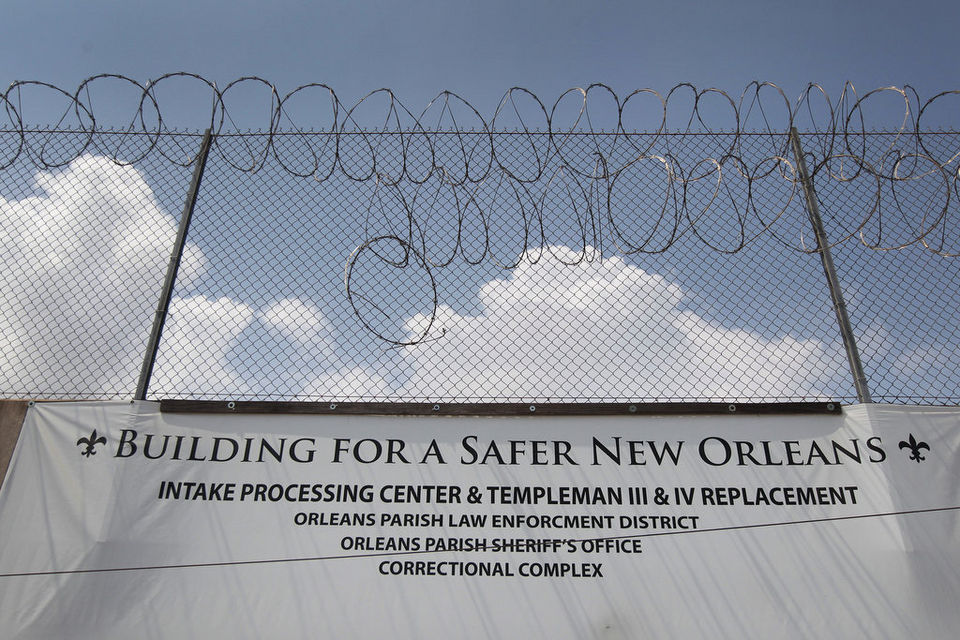 Proposed bipartisan legislation in Congress — House Resolution 2646, "The Helping Families In Mental Health Crisis Act," and the Mental Health Reform Act of 2015 — reflect a paradigm shift in thinking at the federal level. They move federal dollars into treating people with mental illness rather than punishing them for their illness. Proposed bipartisan legislation in Congress — House Resolution 2646, "The Helping Families In Mental Health Crisis Act," and the Mental Health Reform Act of 2015 — reflect a paradigm shift in thinking at the federal level. They move federal dollars into treating people with mental illness rather than punishing them for their illness.
There is also the "Stepping Up Initiative," a call to action that brings legislators, judges and law enforcement agencies together to divert people with mental illnesses from jails back to the community.
Communities have been spending millions to expand their jails and prisons designed for inmates with severe physical and mental health problems, but creating "better" jails is not the solution. Getting arrested should not be the first step in getting treatment. Some may claim that jails are the entryway into the continuum of care. But we cannot allow ourselves to believe that providing treatment to sick people in jails is normal or equivalent to care.
There is a lack of facilities and services for those who suffer from mental health disorders. Improving and broadening community-based health care services is where we need to focus our efforts. Building bigger jails reduces incentives for reforms. Instead we should consider "one-stop shops" like the Restoration Center in San Antonio, which is a national model.
Rather than funding expanded prisons…we need more treatment and recovery programs, access to affordable medications, acute and long-term hospital beds, decent housing, peer-to-peer support, therapy, jobs and assertive community access teams.
We need to turn mental illness back into a health issue where doctors take the lead rather than continuing to make it a criminal justice problem.
With all the 21st century advancements that offer solutions to meeting the needs of those afflicted with brain diseases, if we fail to rise to the challenge of mental health care reform, we will continue to live in the dark ages that offer no other solutions for our loved ones outside of incarceration, homelessness and death.
JANET HAYS
NEW ORLEANS, LOUISIANA
Read the entire column here.
(Photo: Chris Granger/ The Times-Picayune)
To comment, visit our Facebook page.
Visit our blog archive to read all our recent posts.
RESEARCH: Coercion During Hospital Admission Does Not Hurt Outcomes
(Aug. 19, 2015) One of the most frequent arguments we hear from opponents of court-ordered treatment for severe mental illness is that involuntary treatment hurts the chances of recovery.
 But a new study in Psychiatric Services looked at the quality of life and functioning for 102 psychiatric patients one year after they experienced coercion during emergency admissions in one of four mental health facilities in Ireland (“Quality of life and functioning one year after experiencing accumulated coercive events during psychiatric admission,” August 2015). But a new study in Psychiatric Services looked at the quality of life and functioning for 102 psychiatric patients one year after they experienced coercion during emergency admissions in one of four mental health facilities in Ireland (“Quality of life and functioning one year after experiencing accumulated coercive events during psychiatric admission,” August 2015).
“Coercive events during psychiatric admission appeared unrelated to functioning and quality of life one year after discharge,” the authors concluded.
In fact, the authors said, “(C)oercion facilitated the treatment of individuals who refused treatment….If coercion were not used, outcomes for these individuals one year after discharge could have been worse.”
“Quality of life” was measured by factors like employment, housing or engagement with friends a year after the hospital admission. “Coercion” was defined as the use of physical restraint, forced medication or seclusion.
Findings such as these are important to families and advocates alike. Anyone who has experienced or watched a loved one undergo coercion in a hospital knows it is frightening.
Consumers and family members often agonize about the long-term effect of crisis interventions, coercion among them. This study provides reassuring data.
At the same time, policy makers considering treatment law reform often are told involuntary treatment options reduce the chance for recovery.
Evidence to the contrary is a powerful answer, and this study offers it.
Read the article now.
(Photo: Taber Andrew Bain/Flickr)
To comment, visit our Facebook page.
Visit our blog archive to read all our recent posts.
Two Friends, Two Different Approaches to Mental Health
(Aug. 17, 2015) Andrea Cooke and Jeanette Hanson were best friends who took care of each other and shared everything, including a mental health diagnosis of schizophrenia (“25 years too early: How mental illness kills,” WBEZ, Aug. 12).
 Hanson regularly attended an Illinois-based mental health clinic for therapy and help filling out paperwork and making doctors’ appointments. Hanson regularly attended an Illinois-based mental health clinic for therapy and help filling out paperwork and making doctors’ appointments.
But when the clinic closed along with six others in 2012, she was suddenly left without much-needed care.
“Jeanette really depended on that clinic,” said Cooke. “And she stopped taking very good care of herself when it closed.”
Hanson began cycling in and out of hospitals. One night, she showed up on her best friend’s doorstep, delusional, and Cooke decided to take her in.
But soon it became clear that Hanson needed more help than her friend could provide. She had stopped taking her prescribed psychiatric medication and urged Cooke to do the same.
“She told me she didn’t believe I had schizophrenia. So she went into my room and took all my medication and hid it,” said Cooke.
Cooke says Hanson eventually moved back to her own apartment. She was later found dead from cardiovascular disease at age 66.
Jeanette’s inability to take care of her medical needs is not uncommon among people with serious mental illness.
Research has shown a strong link between mental and physical health.
The World Health Organization estimates “there is up to a 10-25 year life expectancy reduction in people with severe mental disorders.” Further, the majority of these premature deaths are due to preventable, physical medical conditions.
Stories like Hanson’s are a reminder that physical and mental health are not separate. Untreated severe mental illness can cause much unnecessary suffering, whereas effective treatment can decrease disability, prolong survival and increase quality of life.
To comment, visit our Facebook page.
Visit our blog archive to read all our recent posts.
“Protecting and Serving Means More than Just Chasing and Arresting”
(Aug. 14, 2015) The number of mentally ill inmates entering the Dougherty County (Georgia) jail continues to climb despite mental health diversion efforts, according to jail officials (“Dougherty County jail sees increase in number of mentally ill inmates,” WALB, Aug. 7).
 Dougherty County officers receive additional specialized training – often called crisis intervention team (CIT) training – to enable them to recognize the signs of mental illness and determine whether or not the person’s behavior is actually criminal or a result of their mental illness. Dougherty County officers receive additional specialized training – often called crisis intervention team (CIT) training – to enable them to recognize the signs of mental illness and determine whether or not the person’s behavior is actually criminal or a result of their mental illness.
"Protecting and serving means more than just chasing and arresting,” said Colonel John Ostrander, Dougherty County Jail Director. “It means trying to meet people where they are, to take care of them, to meet their needs and to treat everybody with dignity."
But despite diversion efforts, 38% of inmates in the Dougherty County Jail have a mental illness requiring treatment.
"I can tell that these percentages are going up over time and I don't know if there's an end in sight,” said Ostrander.
I've teased and said that I am actually the defacto director of one of the largest mental health treatment facilities in this part of the state.”
Clearly, something is amiss in Georgia.
In a 2014 Treatment Advocacy Center survey of state mental health commitment laws, Georgia earned a C- for its use of laws that facilitate access to treatment for mental illness and an F for its inpatient commitment grade.
Georgia must improve and make better use of its assisted outpatient treatment (AOT) and inpatient laws for people with severe mental illness.
Learn more by reading our report, “Mental Health Commitment Laws: A Survey of the States," which analyzes the quality and use of laws each state has enacted to meet the needs of people with severe mental illness who cannot recognize their own need for treatment, trapping them in a vicious cycle of incarceration, repeated hospitalization, homelessness, and other ills.
(Photo: JILLK61/Flickr)
To comment, visit our Facebook page.
Visit our blog archive to read all our recent posts.
|
|