Congress Can Finally Make a Difference In Mental Health Reform
(Nov. 2, 2015) There has been a recent barrage of editorials from newspapers across the country calling for passage of the Helping Families in Mental Health Crisis Act (HR 2646) – the strongest federal proposal to eliminate barriers to care for individuals and families affected by severe mental illness.
 “The whole point is to help people most in need — the severely mentally ill, particularly those who may not understand they have problems,” wrote the editors of the Washington Post. “The government has every reason to insist that the billions it spends on mental-health services are well-targeted and effective.” “The whole point is to help people most in need — the severely mentally ill, particularly those who may not understand they have problems,” wrote the editors of the Washington Post. “The government has every reason to insist that the billions it spends on mental-health services are well-targeted and effective.”
“We’ve come to accept the unacceptable when it comes to the way we treat people with mental illness in this country,” notes the Sacramento Bee. “The legislation would help bring needed attention and money to the problem, and help ensure more people in need receive care.”
“There’s so much to like in the comprehensive legislation that both parties pledge to support,” said the Dallas Morning News’ editorial board. “The country has waited too long for action, but we’re now at a pivotal moment.”
“Congress can finally make a difference for mental health reform,” wrote the Seattle Times.
We couldn’t agree more, and the time to act is now.
This Wednesday, November 4, the Helping Families in Mental Health Crisis Act (HR 2646) will go to committee markup in the House. This important legislative step demands that supporters keep the pressure on Representatives on the Committee to preserve the most important reform measures in the bill.
Reach out today, using the form provided or with your own message. Tell them that HR 2646’s reforms are too important to be watered down. The mental health system is broken and HR 2646 is a solution that will help families, the community and our loved ones living with a severe mental illness.
Real reform must happen.
To comment, visit our Facebook page.
Visit our blog archive to read all our recent posts.
The Time is Now
(Oct. 29, 2015) On Wednesday, November 4, the Helping Families in Mental Health Crisis Act is finally headed to committee markup in the House – the most important formal legislative step before the bill will move to the floor for a vote.
 Introduced by Representatives Tim Murphy (R-PA) and Eddie Bernice Johnson (D-TX), this landmark bill has the tremendous bipartisan support of 154 Representatives, and focuses mental health reform on those with severe mental illness and their families who are struggling to get necessary care for their loved one. Introduced by Representatives Tim Murphy (R-PA) and Eddie Bernice Johnson (D-TX), this landmark bill has the tremendous bipartisan support of 154 Representatives, and focuses mental health reform on those with severe mental illness and their families who are struggling to get necessary care for their loved one.
The markup process is open to the public, and committee members from both parties will have the opportunity to offer amendments on sections of the bill. Alarmingly, some Democrats on the committee have recently voiced opposition to the most impactful, lifesaving provisions of the bill including:
- Increasing the availability of assisted outpatient treatment,
- Changes to HIPAA privacy rules to allow families and caregivers to access vitally important treatment information, and
- Reforms to SAMHSA that would eliminate ineffective programs, focus funding on those with severe mental illness, and elevate the importance of mental illness and substance use disorders within the federal government.
- Much of the opposition is based on fundamental misunderstandings of the broken mental health system and programs contained within the bill, and concerns regarding costs associated with the proposed changes.
The Helping Families in Mental Health Crisis Act is the strongest federal proposal to eliminate barriers to care and meaningfully reform the system for people with severe mental illness. Too often we see federal efforts weakened to reach a consensus that codifies the least common denominator.
People suffering in the revolving door of victimization, hospitalizations, incarceration and homelessness deserve better than that – they deserve dignity and a chance to live better lives in the community. To that end, we must ensure the most vital reforms are not watered down in the markup process, and that the focus remains on severe mental illness.
The Senate held the first hearing today on the chamber’s companion bill, the Mental Health Reform Act introduced in August by Senators Chris Murphy (D-CT) and Bill Cassidy (R-LA).
The Time to Act is Now: Protect the Most Important Reform Measures
People suffering with untreated severe mental illness and their families have been cycling in and out of crisis for too long waiting for meaningful federal reform.
Next Wednesday, November 4, the Helping Families in Mental Health Crisis Act (HR 2646) will go to committee markup in the House. This important legislative step demands that supporters of the bill keep the pressure on their Representatives if we want to finally make real reform a reality.
Reach out today, using the form provided or with your own story. Our message is simple – the mental health system is broken and HR 2646 will help make real treatment reform a reality. Fix the system with HR 2646!
Ask your member of Congress to support HR 2646 and its important reforms. Make sure they understand how this is a solution that will help your family, your community and your loved one with a mental illness.
Real reform must happen and they must support it!
To comment, visit our Facebook page.
Visit our blog archive to read all our recent posts.
DANGERS IN MISREADING RAISE PROJECT FINDINGS ON SCHIZOPHRENIA MEDICATION
(Oct. 29, 2015) The new RAISE (“Recovery After an Initial Schizophrenia Episode”) project’s approach to first-break psychosis has been heralded as the most encouraging breakthrough in schizophrenia treatment since the medication clozapine became available in the early 1990s. In fact, the protocols are already widely used elsewhere in the world; what's new is that they have been tested in the "real world" of the fragmented, multi-payer US health system and found to be effective for early intervention.
But the results of this groundbreaking program for early-stage schizophrenia are being widely misrepresented or misunderstood as an option for individuals at later stages of the disease – with potentially dangerous consequences.
RAISE was tested for two years in teenagers and young adults who had experienced a single episode of psychosis. The program is deservedly a source of hope for young people on the brink of adulthood who find themselves experiencing psychotic symptoms for the first time – an episode often called a “first break.”
According to study results published in the American Journal of Psychiatry, after two years, participants in RAISE were:
- More likely to still be in treatment
- More likely to be working or going to school
- Experiencing significantly greater improvement in overall quality of life
- Experiencing significantly greater reduction in symptoms
- Experiencing these improvements while taking a lower dosage of antipsychotic medications
Alarmingly, some media, mental health groups, families, and individuals have focused on the medication results from RAISE as evidence that schizophrenia can be treated with lower doses of antipsychotic medication at any stage of the disease.
This, in fact, flies in the face of the study’s findings. One of its strongest conclusions was that the benefits of the RAISE protocol diminish with each month the individual had been psychotic. Lower doses of medication appeared to be effective in first-episode psychosis precisely because the individual had never experienced the neurological condition of psychosis before and hence was more responsive.
RAISE was developed and tested with funding from the National Institute of Mental Health (NIMH) as a coordinated, holistic approach to first-episode psychosis. It involves comprehensive, team-based treatment that incorporates all of the following:
- Individual resilience training
- Family psycho-education
- Supported education/employment
- Phase-specific psychopharmacological treatment (i.e., treatment attuned to the first phase of schizophrenia)
- Liaise with primary care
Seizing on the pharmacological protocol designed for a specific set of patients who meet a narrow set of criteria and generalizing it to individuals who aren’t part of that population runs the risk of encouraging the embrace of a course of treatment that will undermine recovery, not support it.
Learn more about the report in the American Journal of Psychiatry here.
For more information about RAISE, read our Research Weekly blogs about the why and who of RAISE and how it works.
The Case for Jail – guest commentary
(Oct. 28, 2015) Once upon a time, there was a bucolic county named Benton, whose major city was Corvallis, so named by the Oregon Legislature in the 1880’s and meaning “heart of the valley."
 Located in Corvallis, adjacent to our historic courthouse, there is an ugly, gray concrete structure we call a jail. Built 40 years ago, it resembles jails of the 1880s. Located in Corvallis, adjacent to our historic courthouse, there is an ugly, gray concrete structure we call a jail. Built 40 years ago, it resembles jails of the 1880s.
Benton County needs to incarcerate 80 prisoners on any given day, but the current jail holds only 40, and typically fewer, because the jail was built to house only 27. According to the U. S. Department of Justice, 64 percent of jail inmates suffer from mental illness: depressive, bipolar, schizophrenia, delusion and psychotic disorders. And many bring with them co-occurring substance abuse disorders. County jails have a constitutional responsibility to provide treatment for these high-needs individuals.
A few of these mentally ill prisoners have committed violent crimes or are a danger to the community or themselves and must be incarcerated. Jail is not the best place for most mentally ill people, but it has become the default residence for individuals requiring mental health residential placement and treatment services. Unless and until we develop community-based mental health facilities jail will remain their home. We need programs to treat these individuals and space in which to conduct the programs. We do not have treatment space in our current facility.
Some arrestees are denied immediate access to the jail because it is frequently full. They often end up being released rather than incarcerated. Our current jail resembles an inn; some sentenced offenders must make a future reservation to get in. One way new guests are accommodated is by kicking out current guests before their sentence is up to make room, and that is done regularly.
The staff of the inn, well trained though they are, struggles to find a place to put new guests and with what to do with them once they have them. So the sheriff loads some of them into motorized vehicles and takes them off to other counties whose inns are not full and who are delighted to receive additional guests paid for by us, the taxpayers.
We need a modern jail that provides space for those who are incarcerated or who need to be incarcerated. We need space to conduct evidence-based reformation programs: anger management, sex offender treatment, inpatient substance abuse treatment, cognitive rehabilitative programming, mental health and pre-release planning. These offenders will all be returning to the community.
We need a jail that is open 24-7 to accommodate our police officers and deputies and those who belong in jail. We have the opportunity on Nov. 3 to move the Benton County criminal justice system out of the 1880s and into today’s world. Ballot Measure 2-91 will provide us with a modern, functional jail. Our corrections and mental health professionals sorely need this resource.
COMMISSIONER JAY DIXON
BENTON COUNTY, OREGON
To comment, visit our Facebook page. Visit our blog archive to read all our recent posts.
Patrick Kennedy Denounces His Party for “Poor Care of Mentally Ill”
(Oct. 27, 2015) Former Rhode Island Congressman Patrick Kennedy is upset that Democrats oppose the Helping Families in Mental Health Crisis Act, he said today at a health conference outside Washington, D.C. (“ E&C at odds over mental health reform,” Politico, Oct. 28).  Kennedy criticized his former Democratic colleagues and the Substance and Mental Health Services Administration (SAMHSA) for their opposition of HR 2646, legislation introduced by Representatives Tim Murphy and Eddie Bernice Johnson.
"The fact that all they can do is come up with what they oppose, rather than presenting an alternative, is indefensible," Kennedy said. "Democrats should be all over this issue. The poor care of the mentally ill has negative impact throughout the public health system."
Kennedy also implicated SAMHSA for “ginning up its providers to oppose the bill,” noting that “it’s a taxpayer-funded campaign.”
The youngest child of Senator Ted Kennedy, Patrick Kennedy is no stranger to mental health advocacy. Kennedy has been advocating for better and more accessible treatment for mental illness for years, and is now leading a political movement to change the way people view and talk about mental illness and addiction, that he himself suffers from.
Mental illness is a medical issue, not a moral issue, Kennedy has said in the past. He wants behavioral health issues to be treated with the same urgency that we treat cancer and heart disease.
The former representative has also successfully fought for additional federal funding of better police training and to reduce negative outcomes associated with interactions between law enforcement and people with mental illness.
We applaud former Rep. Kennedy for taking a stand against the status quo in support of legislation that would reduce barriers to treatment for individuals and families affected by severe mental illness.
Treatment Advocacy Center to Address World’s Largest Law Enforcement Group
(Oct. 26. 2015) Tomorrow, U.S. President Barack Obama will speak at the 122nd International Association of Chiefs of Police (IACP) Annual Conference and Exposition in Chicago. He will be joined at the conference by Treatment Advocacy Center Executive Director John Snook and more than 14,000 members of law enforcement from around the country.
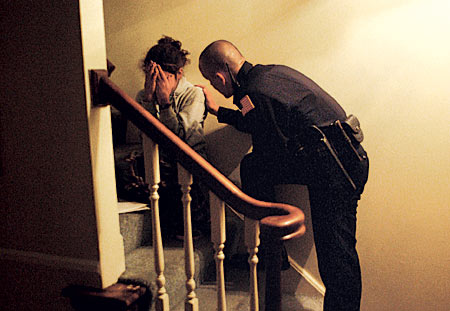 Snook will be speaking about solutions for reducing and improving police interactions with people who have a mental illness. Snook will be speaking about solutions for reducing and improving police interactions with people who have a mental illness.
In towns and cities throughout the United States, police officers are increasingly finding themselves playing dual roles as law enforcers and psychiatric social workers. People with mental illness are often arrested in connection with minor crimes like disorderly conduct or trespassing, making jails and prisons de facto mental institutions.
“Untreated severe mental illness is highly associated with arrest and incarceration, “said Snook. “A disproportionate number of these individuals are ending up in the criminal justice system when they should be receiving treatment.”
Last year, the IACP endorsed assisted outpatient treatment as a solution to improve outcomes for people with severe mental illness.
The Treatment Advocacy Center has served as a resource on the impact of untreated mental illness on members of law enforcement and the criminal justice system by publishing the following reports:
To comment, visit our Facebook page.
Visit our blog archive to read all our recent posts.
The Buck Stops with Vermont
(Oct. 22, 2015) A hospital in rural Vermont that was cited this summer for poor treatment of psychiatric patients is calling on the state to improve its inadequate mental health system in order to better serve Vermonters suffering with severe mental illness (“Gifford medical center asks state to improve its mental health system,” VT Digger, Oct. 20).
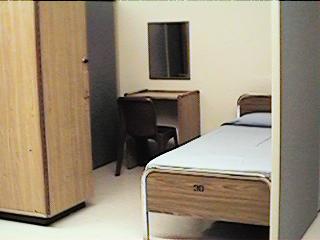 The Division of Licensing and Protection in late August determined that the rural hospital – which has 25 beds total and six beds in its emergency department – didn’t comply with federal standards for treating psychiatric patients. The Division of Licensing and Protection in late August determined that the rural hospital – which has 25 beds total and six beds in its emergency department – didn’t comply with federal standards for treating psychiatric patients.
In their review, regulators found that staff involuntarily medicated a patient with Haldol, an antipsychotic medication, in the emergency department. In another case, regulators say staff improperly restrained a person in his bed.
The hospital has responded by implementing changes to better treat psychiatric patients, but hospital officials argue that their emergency room remains taxed because it is taking in psychiatric patients while they wait to be placed in psychiatric hospitals.
“Once they reach our emergency department, it really is a failure of the system,” said Alison White, the vice president of patient care services at the hospital. “Once they’ve reached our ER doors, the system’s already failed them, and then we have them for anything between four hours and 10 days.”
Between June and September, 526 people who were discharged from the emergency room had some form of psychiatric condition, according to a spokesperson for the hospital.
Dr. Martin Johns, the chief medical officer at the hospital, said his staff cares about the community, and are learning how to treat severely ill psychiatric patients. But he has his doubts about the system.
“We strive very hard to do the best we possibly can, Dr. Johns said. “I think this particular [situation] illustrated the prototype of patient that’s very difficult for a small hospital like us to absorb.”
Many of the patients in question have been issued involuntary hospitalization orders and are in the custody of the Department of Mental Health. They are awaiting so-called “Level 1” beds for people who are at risk of hurting themselves or someone else. Vermont has 45 of those beds, down from 54 five years ago, and psychiatrists across the state have criticized the state for not having more. We agree.
It comes as no surprise that Vermont hospitals and emergency rooms are being inundated with patients suffering acute psychiatric crisis. With just 8.3 public psychiatric beds per 100,000 people, Vermont fails to meet the 50 bed minimum standard required to provide adequate treatment for individuals with severe mental illness.
The state of Vermont must stop passing the buck and take responsibility for its inadequate mental health system, and we must hold state governors and mental health officials accountable for the public psychiatric bed shortage and demand that they create the number of beds needed to meet the minimum standards of treatment.
To comment, visit our Facebook page.
Visit our blog archive to read all our recent posts.
RESEARCH: Making Sense of the Latest Schizophrenia Treatment News
(October 22, 2015) Schizophrenia treatment made headlines this week with the announcement of results from a groundbreaking new approach to treating first-episode psychosis – and for good reason.
 After two years of treatment, participants in the program called RAISE - “Recovery After an Initial Schizophrenia Episode” – were reported to be doing significantly better than non-participants by many measures (“Comprehensive versus usual community care for first-episode psychosis,” American Journal of Psychiatry). After two years of treatment, participants in the program called RAISE - “Recovery After an Initial Schizophrenia Episode” – were reported to be doing significantly better than non-participants by many measures (“Comprehensive versus usual community care for first-episode psychosis,” American Journal of Psychiatry).
Among the findings, participants were:
• More likely to still be in treatment
• More likely to be working or going to school
• Experiencing significantly greater improvement in overall quality of life
• Experiencing significantly greater reduction in symptoms
• Experiencing these improvements while taking a lower dosage of antipsychotic medications
RAISE offers what may be the most significant treatment breakthrough in schizophrenia since the development of the drug clozapine in the early 1990s. Tested in teenagers and young adults, the program is deservedly a source of hope for individuals on the brink of adulthood who find themselves experiencing psychosis and for the frightened families trying to help them. Also encouraging is that the program – developed over the last seven years with funding from the National Institutes of Mental Health (NIMH) – can be delivered in existing community settings.
But headlines can’t tell a whole story, and this one is no exception. RAISE was developed as a coordinated clinical response to first-episode psychosis; one of its strongest findings was that the benefits diminished the longer the individual had been psychotic. Lower doses of medication appeared to be effective because the patients had not taken medications previously and were thus more responsive to them, a situation that doesn’t apply to individuals with persistent psychotic conditions.
The RAISE model also relies on a comprehensive approach that incorporates family education, resiliency training and other psychotherapy for the patient; supported education and employment; medication; and case management. Tested in 18 community clinics with the 223 patients whose outcomes were the subject of the report, the program is now being rolled out in selected communities across the country. The Helping Families in Mental Health Crisis Act of 2015 (HR 2646) includes authorization for RAISE, which would make its implementation eligible for federal funding.
At a briefing the Treatment Advocacy Center attended in September at the NIMH, Director Tom Insel cautioned that it will take years to determine whether the benefits of RAISE are enduring or transitory. In the meantime, even two years of improvement from psychosis is a cause for celebration.
To comment, visit our Facebook page.
Visit our blog archive to read all our recent posts.
Invest in Reopening Psychiatric Hospitals – guest commentary
(Oct. 20, 2015) It was only a matter of time before another tragedy would reignite the debate about how to prevent mass shootings. In recent years, untreated mental illness has entered the public discourse in these cases. Deinstitutionalization, the mass closure of state psychiatric hospitals, is often raised in that debate as if it were a relic of the past. Actually, it remains a modern phenomenon with serious consequences.
 In a 2005 study of state psychiatric bed shortages, Massachusetts rated in the “severe bed shortage” category. Since then, 25 percent of beds have closed and Massachusetts now has a “critical bed shortage.” In the past 10 years, two state psychiatric hospitals have closed and Taunton Psychiatric Hospital is nearly closed. In a 2005 study of state psychiatric bed shortages, Massachusetts rated in the “severe bed shortage” category. Since then, 25 percent of beds have closed and Massachusetts now has a “critical bed shortage.” In the past 10 years, two state psychiatric hospitals have closed and Taunton Psychiatric Hospital is nearly closed.
But hospital closures are not the only problem. An increasing number of admissions to state psychiatric hospitals are “forensic patients,” those in the criminal justice system who are typically admitted from jails and prisons. In 2013, less than half of intermediate and long-term psychiatric hospital admissions were “civil” patients. That means that more chronically mentally ill people in the community have nowhere to go.
That doesn’t mean that forensic patients should be shut out of hospitals. Without treatment they are destined to an endless cycle of incarceration. What it does mean is that more continuing care psychiatric hospital capacity is needed.
After examining the state of the mental health system, Justice Brian Merrick concluded “state mental hospitals must be reopened,” a proposal that was virtually unheard of until recently.
Even though the public has an antiquated view of psychiatric hospitals, in 2012 the new Worcester Recovery Center and Hospital opened, consolidating two closed facilities. In a paper published in the Journal of the American Medical Association, three bioethicists from the University of Pennsylvania described the Worcester Recovery Center as a new model facility that “provides a full range of integrated treatment services, psychiatric research and medical education programs.”
They concluded, as did Justice Merrick, that more of these facilities are needed “to provide 21st century care to patients with chronic, serious mental illness.” They warned that reforms that ignore the importance of expanding modern psychiatric institutions and providing continuing psychiatric care will fail patients because there are few options for patients with chronic serious mental illnesses.
Cost is a legitimate concern in any discussion about expanding services, but in reality, the fiscal burden has shifted from state hospitals to county resources (law enforcement, emergency responders, courts, the county correctional facility and lost revenue for local business). Until there is an investment in treating the most seriously mentally ill, county expenses will continue to climb.
All things considered, it just makes sense to invest in reopening hospitals that will provide high-quality, accessible, long-term care options for patients with chronic serious mental illnesses.
MARY ZDANOWICZ
FORMER TREATMENT ADVOCACY CENTER EXECUTIVE DIRECTOR
Read the entire column here.
To comment, visit our Facebook page.
Visit our blog archive to read all our recent posts.
Diversion Key to Decreasing Number of Mentally Ill Behind Bars in South Carolina
(Oct. 19, 2015) Nearly a quarter of Spartanburg County's jail inmates are on medications for mental health conditions, and the numbers are climbing. Jail officials and mental health professionals are responding by working together to find ways to keep former inmates with mental illness treated after they're released (“Leaders seek to improve mental health treatment for inmates,” Spartanburg Herald Journal, Oct. 15).
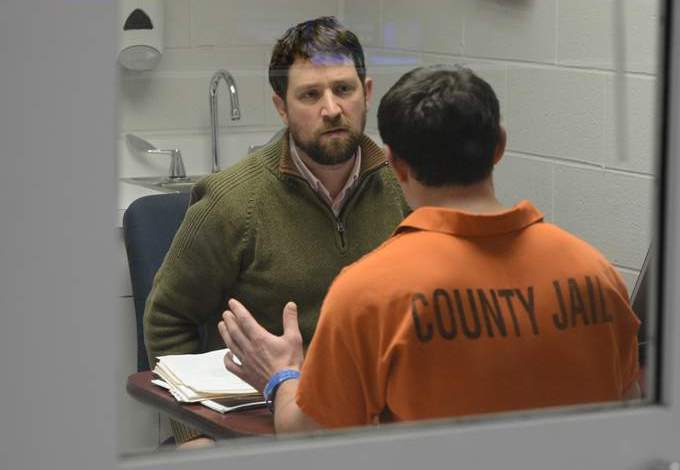 Spartanburg County jail staff report that they currently administer psychiatric prescriptions to 178 of the jail's 722 inmates, and psychotropic medications account for about 78 percent of the jail's entire medical budget. But the high cost of treating mental illness behind bars is worth it, they say. Spartanburg County jail staff report that they currently administer psychiatric prescriptions to 178 of the jail's 722 inmates, and psychotropic medications account for about 78 percent of the jail's entire medical budget. But the high cost of treating mental illness behind bars is worth it, they say.
“We have to do something about it while they're in here,” said Kathy White, the jail’s medical director. “No, a jail is not a mental health facility, but we all have a part to play.”
Jail Director Neal Urch believes that if inmates’ mental health conditions can be treated in jail and they can continue treatment once they're out, it might be one small step toward ending a cycle of recidivism.
Consequently, all inmates suffering with mental illness are now receiving prescriptions and follow-up appointments scheduled for them at the Department of Mental Health when they are released from Spartanburg County jail.
“We're focusing more on their mental illness now. With better information, we can be more proactive in their care,” Urch said. “Before, we'd just send them out the door.”
Eric Fluckinger, the clinical counselor and jail liaison for the mental health department, agrees that discharge planning is important. If patients don't continue to follow up on their medications once they are out of jail, they can easily backtrack. People on antipsychotic medications can begin losing their ability to think normally within 24 hours of not taking their medications, and can become completely unstable within 48 hours, Fluckinger said.
South Carolina is not unique in the problems it faces with mental illness in jails and prisons. Across the country, there are now 10 times more individuals with serious mental illness in prisons and jails than there are in state mental hospitals.
The measures being taken to connect inmates to the right places on the outside is certainly a step in the right direction, and may indeed lead to a reduction in the number of mentally ill inmates returning to jail after release.
But, South Carolina must also focus on criminal diversion efforts to ensure that people with serious mental illness are being diverted away from jail and prisons in the first place, and being treated for their illness, rather than punished for it.
Read the Treatment Advocacy Center report on the “Prevalence of Mental Health Diversion Practices” across the states to learn more.
To comment, visit our Facebook page.
Visit our blog archive to read all our recent posts.
|
|