Guitar Heist Suspect a “Gentle, Harmless Person” on Medication
(March 17, 2015) A guitar heist, followed by a 50-mile car chase with Vermont police has left Thomas Popke, 36, facing a host of charges related to the incidents (“ Mom: Suspect in chase, guitar theft off meds,” Burlington Free Press, Mar. 12).  Popke was off of his medications for bipolar disorder at the time of the incident and his mother, Mary, blames a lack of mental health resources for her son’s continued illness. "I don't know if you're familiar with bipolar disorder, but they go off their meds quite frequently, and you can't get them back on it," said Mary. "He's been manic for a couple of months now, but we couldn't get him in to see a therapist or psychiatrist or get any medicine into him." Mary said getting help for her son has been made more difficult by his refusal to allow her to take over as his primary caretaker. "He's a gentle, harmless person when he takes medication," Mary said. "My family has been going through this for 11 years, and it's so hard when all this gets reported, and nobody knows he's not like that." According to Mary, Popke is receiving no mental health treatment while in prison awaiting trial. He could serve up to 23 years if found guilty of all possible charges. But Jails and prisons are not created to be de facto mental hospitals. They are not structurally appropriate for patients, and the staffs are not trained to serve as psychiatric caretakers. Not surprisingly, there are many problems associated with placing large numbers of seriously mentally ill individuals into jails and prisons. Mentally ill inmates stay longer, cost more, are more likely to be victimized, and are more likely to commit suicide, according to a Treatment Advocacy Center report. Popke belongs in a hospital bed, not a jail cell. To comment, visit our Facebook page. Visit our blog archive to read all our recent posts.
Sad News from the Treatment Advocacy Center
(Mar. 16, 2015) It is with heavy hearts that we announce the passing of Natalie Fuller, the daughter of Treatment Advocacy Center Executive Director Doris A. Fuller. 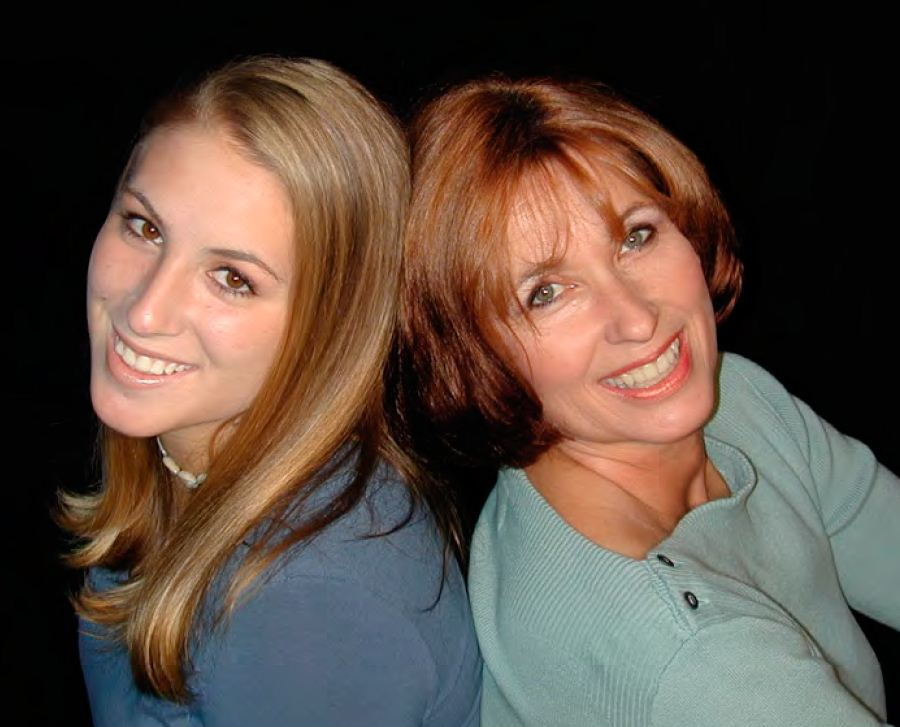 A vivacious and outgoing woman who touched the lives of many, Natalie has written and spoken candidly about her struggle with severe mental illness and her experiences with treatment, both inside psychiatric hospitals and in the community. “A part of me believes that people living with mental illness should be free to live their lives just as normal people do,” Natalie said. “The problem is, when some people with severe mental illness try to get by without treatment, they can’t live their lives just as normal people do. Treatment can really change a person's life.” But Natalie’s life wasn’t defined by her illness. As a mother-daughter team, Doris and Natalie co-authored a book, Promise You Won’t Freak Out, about parent-teen communication and appeared together on national and regional TV and radio to give countless interviews. Natalie would have turned 29 in April. A celebration of her life and courage will be held this summer in Sandpoint, Idaho, where she spent her happiest and healthiest years and retains many friends and loved ones. Natalie’s legacy lives on. At the request of her family, gifts in her memory - and on behalf of all the people who suffer life-threatening mental illness - may be made to the Treatment Advocacy Center.
Mental Health Diversion Practices Work
(Mar. 12, 2015) Rebecca Louise Hyde, 41, was ordered to complete mental health court on Monday after she drove her car through the fence of an Idaho Elementary schoolyard in the middle of a psychiatric crisis (“ Woman gets probation for crashing through playground fence,” Idaho Press Tribune, Mar. 10).  Despite her long history of mental illness, there were stretches of time where Hyde functioned very well. But last November, Hyde drove her car into an elementary school fence, nearly hitting 31 children. “We are concerned for the community if she doesn’t get the help she needs,” Deputy Prosecutor Rosemary Emory told the Idaho Press Tribune. Hyde’s sister said in court last November that a recent change of medication may have been to blame for Hyde’s mental health breakdown. Sam Beus, Hyde’s attorney, doesn’t believe Hyde was trying to run over the children. “She doesn’t have a track record of being a threat to the community,” Beus said. “I think this case really does begin and end with Miss Hyde’s mental health.” Judge Richard Bevan sentenced Hyde to five years’ probation, 40 hours of community service and completion of mental health court. Hyde’s attorney is pleased with her sentence. “I have seen great things happen for people in mental health court who are severely disabled due to their mental illness,” he said. Hyde’s case is an excellent example of mental health diversion at work – but the practice needs to be used more widely. Fewer than half the US population lives in communities where the most basic methods of diverting people with severe mental illness from the criminal justice system are being used, according to a study by the Treatment Advocacy Center. In a better world, people with untreated severe mental illness would get help before their symptoms resulted in law enforcement involvement or criminal prosecution. Until that day, jurisdictions that fail to use such uncontroversial tactics as mental health courts and law enforcement crisis intervention teams are failing their citizens who suffer from severe mental illness and their communities. To comment, visit our Facebook page. Visit our blog archive to read all our recent posts.
Utah Prison Relocation a “Once–in–a–Lifetime Opportunity”
(Mar. 11, 2015) The Utah Legislature is considering potential relocation sites for a 4,000-bed state prison, but the news has been met with public concern (“ Advocates urge lawmakers to improve system, not just new prison,” Desert News, Mar. 9). 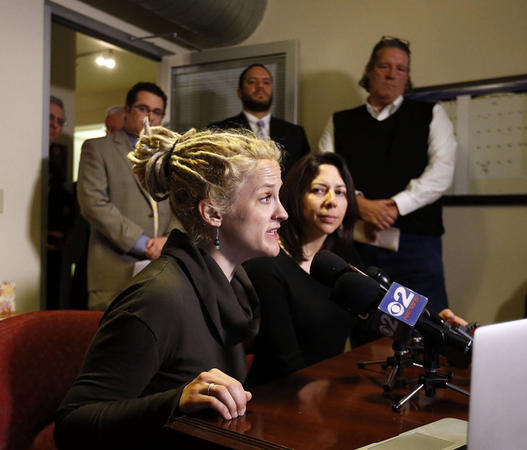 Advocates from several human rights organizations gathered at a press conference on Monday to collectively urge lawmakers to remember Utah’s most vulnerable citizens when considering where to relocate the state prison. “[The] objective needs of our criminal justice and correctional system should determine where the prison goes,” argued ACLU Utah public policy advocate Anna Brower. The prison relocation is a “once-in-a-lifetime opportunity to serve the interest of all people who are so easily ignored or are trapped in the criminal justice system,” said Brower. Nearly 50 percent of all jail or prison inmates suffer from serious or persistent mental illness, said Aaron Kinikini, legal director of the Utah Disability Law Center. The Utah state prison does not currently have enough psychiatric beds to accommodate the “number of inmates who desperately need treatment rather than punitive isolation,” Kinikini said. Jean Hill from the Catholic Diocese of Salt Lake City took issue with the current prison system, noting that it doesn’t foster an environment that is suitable for rehabilitation. If inmates with mental illness don’t receive the treatment they need at some point during the criminal justice process, then lawmakers will not “resolve the issues that are leading to the state’s high recidivism rate,” Hill said. The advocates agreed that the new prison should be built with modern technology to ensure the safety of both inmates and correctional officers, at a location that is accessible to experienced employees and mental health providers, and in close proximity to treatment facilities. Read theTreatment Advocacy Center’s backgrounder " How many individuals with serious mental illness are in jails and prisons?" to learn more. To comment, visit our Facebook page. Visit our blog archive to read all our recent posts.
“MENTAL ILLNESS ON TRIAL” TO SCREEN IN MANHATTAN
"Mental Illness on Trial," the latest mental health documentary produced by the Treatment Advocacy Center, will premiere March 19 as an official selection of the Socially Relevant Film Festival in New York City.
 "What we set out to do was frame the story of how mental illness became criminalized in America and punctuate it with a personal story,” says Dr. Gary Tsai, a member of the Treatment Advocacy Center’s Psychiatric Advisory Board and co-director of the documentary. “The result was powerful, and we're grateful that the Socially Relevant Film Festival will bring it to a larger audience." "What we set out to do was frame the story of how mental illness became criminalized in America and punctuate it with a personal story,” says Dr. Gary Tsai, a member of the Treatment Advocacy Center’s Psychiatric Advisory Board and co-director of the documentary. “The result was powerful, and we're grateful that the Socially Relevant Film Festival will bring it to a larger audience."
The mission of the Socially Relevant Film Fest is to “shine the spotlight on filmmakers who tell compelling, socially relevant, human interest narratives across a broad range of social issues without resorting to gratuitous violence and violent forms of movie making.”
“Most films today encourage misrepresentation, reinforce stereotypes and create an escapist passive attitude towards major social issues,” says Nora Armani, founding artistic director of the festival. “By simply focusing on socially relevant themes, positive social change can be promoted through the powerful medium of cinema.”
The video features former Congressman Patrick Kennedy, retired Ohio Supreme Court Justice Evelyn Stratton and psychiatrists Jeffrey Lieberman, M.D., and Sally Satel, M.D., describing the forces that produced today's grim mental health landscape, where half a million people with untreated serious psychiatric disease live on the streets or behind bars. Woven throughout is the personal journey of co-director Doris A. Fuller’s family.
Tickets may be purchased online at the Socially Relevant Film Festival website..
Full release of the documentary will follow later in 2015. Click here to watch the one-minute trailer.
Thousands Share Success Stories Thanks to Vincent House
(Mar. 9, 2015) Elliot and Diane Steel are no strangers to the struggles of serious mental illness. After their daughter was diagnosed with schizophrenia, the Steels founded Vincent House, a Florida-based grassroots program that provides mental health patients with resources and job training to help them mainstream back into society (“Pinellas Park's Vincent House helps mental health patients recover,” WFLA, Mar. 6).
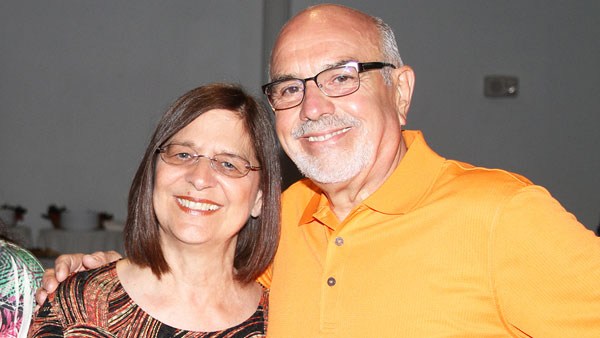 "This place treated me with dignity, and it helped me get back on my feet with a job,” said Vincent House member Stephanie Whitford, who suffers from bipolar disorder. “It changed my life completely,” she said. "This place treated me with dignity, and it helped me get back on my feet with a job,” said Vincent House member Stephanie Whitford, who suffers from bipolar disorder. “It changed my life completely,” she said.
Like Whitford, thousands more have success stories to share. The program has partnered with 66 employers throughout Pinellas County who offer members jobs and opportunities to build back their lives. In 2014, 250 Vincent House members found work with the help of the program, and collectively earned more than $750,000 on jobs within the community.
"Once they have a paying job their life changes, they have a reason to stay on their meds, they have a reason to get out of bed in the morning," said Vincent House director William McKeever.
Since its start 12 years ago, Vincent House has helped countless Pinellas residents, and state lawmakers are starting to take notice. The facility operates at a fraction of what it costs the state to send people with severe psychiatric illness to mental institutions or jail.
Programs like this are especially critical in Florida, which currently ranks 49th out 50 states in per capita mental health spending.
“We need our legislators to know more about this place,” said Bill Mischler, former Mayor of Pinellas Park and Vincent House board member. "I'd like to see a Vincent House in every city and town across the bay."
To comment, visit our Facebook page.
Visit our blog archive to read all our recent posts.
"Change Direction" Must Get Serious About Serious Mental Illness
(Mar. 4, 2015) Michelle Obama announced the launch of a campaign seeking to change the conversation about mental illness and challenge stigma at a mental health summit in the nation’s capital today (“Michelle Obama fights stigma of mental health care, promotes 'Change Direction'," The Associated Press, Mar.3).
 “The Change Direction initiative is a collection of concerned citizens, nonprofit leaders, and leaders from the private sector who have come together to create a new story in America about mental health, mental illness, and wellness,” says the campaign’s website. “The Change Direction initiative is a collection of concerned citizens, nonprofit leaders, and leaders from the private sector who have come together to create a new story in America about mental health, mental illness, and wellness,” says the campaign’s website.
The first lady argues that there should not be stigma surrounding mental health and that change requires Americans to learn the signs of emotional distress and care for our mental well-being and the mental well-being of others.
The campaign also provides some startling statistics, among them that “nearly one in every five people, or 42.5 million American adults, have a diagnosable mental health condition” and that “more than 90 percent of people who kill themselves have a diagnosable mental disorder.”
We agree that stigma is one of the most important problems for people with serious mental illness, but campaigns to decrease stigma by simply trying to educate people will not work unless we also eliminate barriers to timely and effective treatment.
Approximately 7.9 million U.S. adults (3.3% of the population) suffer with severe mental illness, 3.9 million of which are untreated. About 400,000 with untreated mental illnesses are in jails or prisons and 216,000 are homeless. This is unacceptable.
There is no doubt that the launch of the ”Change Direction” campaign is a great step in the right direction. But if the White House really wants to get serious about mental illness issues they need to focus on serious mental illness.
Read the Treatment Advocacy Center’s fast facts to learn more about the consequences of untreated serious mental illness.
To comment, visit our Facebook page.
Visit our blog archive to read all our recent posts.
There is Nothing Partisan About Treating Mental Illness
(Mar. 3, 2015) Michigan's mental health system "weighs heavily" on Wayne County Chief Probate Judge Milton Mack ("Michigan's bad mental health system weighs heavily on judge," Toledo Blade, Feb. 27).
 It's too difficult to get people who need treatment the help they need, he said. It's too difficult to get people who need treatment the help they need, he said.
"It is easier for me to order an amputation" than mental health treatment, said the judge. "Legally, we still have an inpatient system in an outpatient world."
Judge Mack estimates that about one-fourth of prison inmates and an even higher proportion of jail inmates suffer from a treatable mental illness.
The problem is, "policy makers don't understand that mental illness is treatable," said Mack. They are reluctant to establish programs and appropriate needed money. "There's nothing partisan about this," he said.
This "revolving door" system results in wasted money and lives. Michigan has about 43,000 inmates in state prisons, costing the state nearly $2 billion per year.
Michigan earned one of the lowest state rankings in the Treatment Advocacy Center's hospital bed study. The state lost 47 percent of its psychiatric beds between 2005 and 2010 and had only 11 percent of target hospital beds per capita.
The woeful failure to provide appropriate treatment and ongoing follow-up care for patients discharged from hospitals has sent many individuals with the severest forms of mental illness spinning through an endless revolving door of hospital admissions and readmissions, jails and public shelters – many of these people end up in front of Judge Mack.
We need more lawmakers, like Judge Mack, who recognize the importance of providing treatment before tragedy.
To comment, visit our Facebook page.
Visit our blog archive to read all our recent posts
Police Shooting of Mentally Ill Homeless Man Symptom of Failed Mental Health System
(Mar. 2, 2015) A homeless man recently released from a psychiatric facility was shot and killed by police on Skid Row in Los Angeles late Sunday night. The man, whose name was Africa, had been homeless for several months prior to the shooting. The tragedy was captured on a cellphone video.

“The devastating consequences of failing to provide treatment for people with severe mental illness were felt once again this weekend,” said Doris A. Fuller, executive director of the Treatment Advocacy Center. “Failure to provide and maintain treatment for our most vulnerable citizens results in tragedies.”
Untreated severe mental illness is an increasing factor in officer-involved homicides, according to a joint report by the Treatment Advocacy Center and the National Sheriffs’ Association. “The responsibility of law enforcement officers for seriously mentally ill persons has increased sharply in recent years and is continuing to increase,” the authors wrote. “Inevitably, the increasing number of confrontations between law enforcement officers and persons with serious mental illness leads to some unfortunate outcomes.
The Treatment Advocacy Center makes three recommendations for decreasing the number of justifiable homicides associated with severe mental illness.
- Return responsibility for mental health from law enforcement and the criminal justice system to the mental illness treatment system.
- Use assisted outpatient treatment (AOT) to reduce officer-involved tragedies and enact AOT laws in the five states where the treatment option remains unavailable (Connecticut, Maryland, Massachusetts, New Mexico, Tennessee).
- Restore psychiatric bed facilities to meet the needs of people with untreated severe mental illness
California counties have started to pass AOT laws to get people like Africa into treatment before a tragedy occurs, but more must be done. Only seven counties (Los Angeles, San Francisco, Orange, Nevada, Yolo, Placer and Mendocino) have embraced court-ordered outpatient treatment with wraparound services. Los Angeles plans to implement the law this spring.
To comment, visit our Facebook page. Visit our blog archive to read all our recent posts.
Five Priorities for Addressing Mental Illness – guest column
(Feb. 25, 2015) I'm tired of hearing stories from suffering families. It's time for the experts to sit down and have a real conversation about mental illness and how we, as a society, can offer them help and hope.
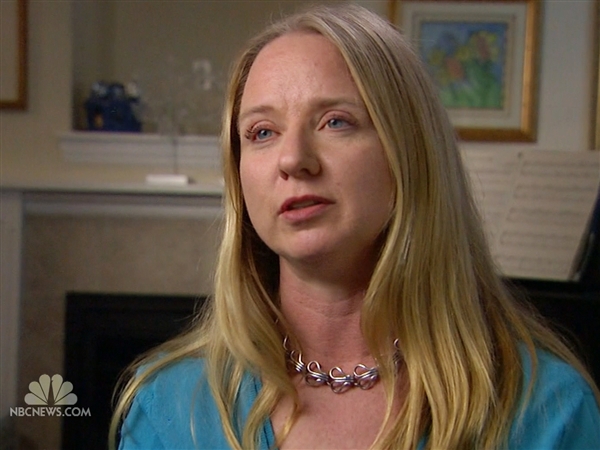 1. Enough talk; it's time for action. We are getting really good about talking about mental illness. I have no problem telling you that I was treated for depression. My son, who has bipolar disorder, has no problem telling strangers in the grocery store checkout line that lithium has completely changed his life. It seems like every day, a celebrity or athlete shares his or her struggle with mental illness. 1. Enough talk; it's time for action. We are getting really good about talking about mental illness. I have no problem telling you that I was treated for depression. My son, who has bipolar disorder, has no problem telling strangers in the grocery store checkout line that lithium has completely changed his life. It seems like every day, a celebrity or athlete shares his or her struggle with mental illness.
And that's a good thing. But what about those whose voices aren't being heard? What about the people in prison, or living on the streets? When will we stop talking and take action to help them? Peer support is a good start, but some of us need more. Assisted outpatient treatment (AOT) is one community services program that has enabled people with serious mental illness to live in their communities and stop the revolving door of incarceration and homelessness.
2. Make early intervention a top priority. Pediatricians should all be trained to include mental health questions in well child visits. Shocked that a child of 5 might express suicidal thoughts? I know hundreds of families who have had that experience. The earlier we can get families help, the more likely they are to manage the illness and lead productive lives.
3. Train more psychiatrists and increase access to care for people with mental illness. Instead of teaching community leaders to look for signs of depression, we should be focused on training a workforce that is competent and capable of delivering evidence-based care to people who need help. The shortage of psychiatrists, especially those who work with children, is a real and growing problem.
4. Stop saying "mental illness," and start saying "illness." I'm not suggesting that we should stop talking about mental health, by the way. But serious mental illness is physical illness. Mental health is important to everyone, and people with any type of chronic health condition are at greater risk of depression. But as long as we keep artificially separating serious mental illness and serious physical illness, stigma will remain, and true parity will never be achieved. People will continue to think that mental illness is a choice or a character flaw.
5. Listen to families and provide them with actual support. Maybe you saw the story about the Virginia mother who is prepared to face child abandonment charges rather than bring her 12-year old son home from jail. The comments on this story show just how pervasive this problem is.
Liza Long
Family member and advocate
|
|