“FAMILIES OF THE 4%” DEMAND MENTAL HEALTH REFORMS
Nearly 100 family members impacted tragically by untreated mental illness converged on Capitol Hill in Washington, DC, earlier this month to urge the government to reform the nation’s broken mental health system.  Hosted by the Treatment Advocacy Center, the event represented the first gathering of families who experienced personal tragedy as a result of severely ill loved ones who were unable or unwilling to seek treatment. “Families have suffered enough and are turning their pain into action by advocating for solutions that will finally help their loved ones,” said John Snook, executive director. “We know that the devastating consequences of untreated severe mental illness can be reduced with treatment.” Briefing a standing-room only crowd, seven families recounted the horrors they and their loved ones endured as a result of being abandoned by the mental illness treatment system. Representative Tim Murphy (R-PA), sponsor of the landmark “ Helping Families in Mental Health Crisis Act,” addressed the panel and attendees, outlining pending legislative actions that would refocus the mental health system on those who need help the most. Calling themselves “Families of the 4%” in reference to the segment of the U.S. population that suffers from serious mental illness, participants described how non-treatment hurt their loved ones, families and communities. “Why wasn't I given the authority over my sick son, to get him the treatment he never realized he desperately needed before he committed a violent act?” asked Anthony Hernandez, father of a young man with paranoid schizophrenia who has been jailed for attempted murder and animal cruelty. “When our son turned 18, he was free to make his own medical decisions, including discontinuing treatment for his bipolar disorder,” said Jennifer Hoff, another parent who shared her story. “We tried unsuccessfully to get him back into treatment, but he wasn’t considered dangerous or gravely disabled enough. Now he’s in prison. It’s like watching your child drown slowly.” The Hoffs and the Hernandezes, along with the other family members who spoke, said they believe that policy solutions like assisted outpatient treatment laws, HIPAA reform and better training for law enforcement on handling people in psychiatric crisis would help reduce the bad outcomes of non-treatment. “People with serious mental illness are filling our jails and prisons, they represent more than a third of the homeless population, and they are encountering law enforcement with tragic and often deadly consequences,” Snook said. “These families deserve much more than the systematic failures of the status quo.”
Strategic Changes Made to Increase Momentum for Treatment Reform
(May 19, 2015) Deputy Director John Snook has been named Executive Director of the Treatment Advocacy Center as part of a set of moves that will strategically expand the organization’s capacity to reform America’s mental illness treatment system. 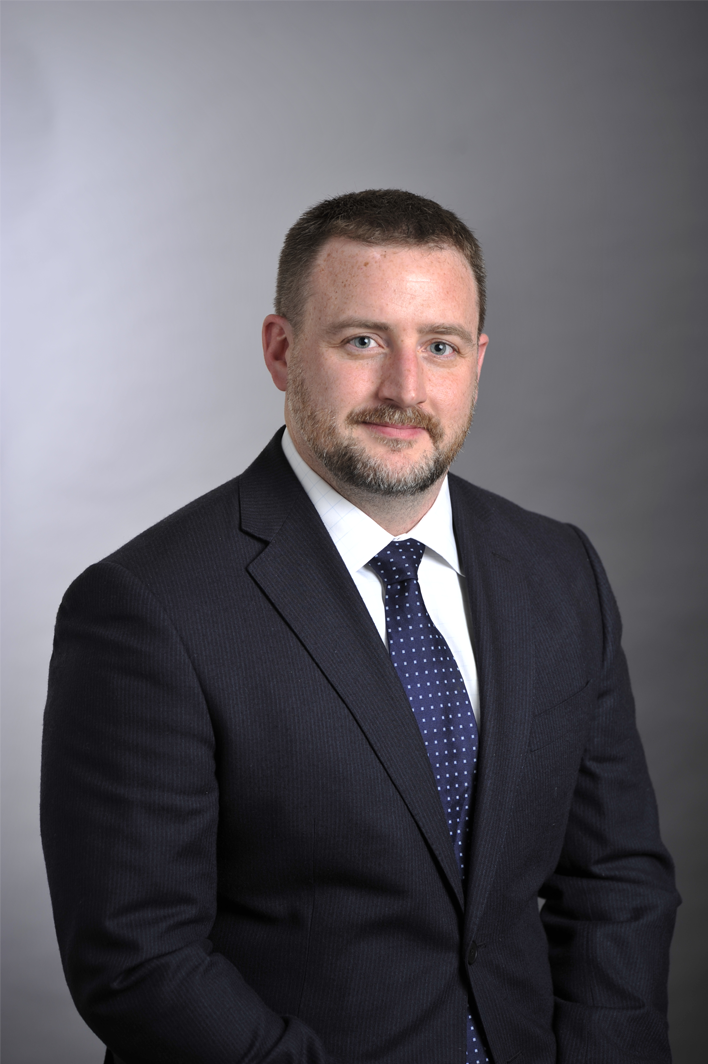 Snook succeeds Doris A. Fuller, who becomes Chief of the Office of Research and Public Affairs. Nearly a year in the planning, the Office of Research represents a new program dedicated to increasing the public education publishing activities historically conducted through the supporting relationship of the Stanley Medical Research Institute (SMRI). “Bringing research officially under the Treatment Advocacy Center’s roof was a natural next step in the organization’s growth that will increase our impact by expanding the evidence-based case for reforms that reduce the consequences of untreated mental illness,” said founder E. Fuller Torrey, MD, who will continue authoring studies in collaboration with the new Office of Research.  Snook began his career as an advocate for the Treatment Advocacy Center and returned in 2014 with almost 15 years of policy and advocacy experience at the federal and state levels, including with Habitat for Humanity International and the Mortgage Bankers Association.
Fuller joined the Treatment Advocacy Center in 2010 and has been executive director since 2012. Heading the Office of Research and Public Affairs will capitalize on her long and successful career as a reporter, author, editor, teacher and mass communicator. “John brings to the executive office a deep background at both the federal and state levels the Treatment Advocacy Center has never had before,” Dr. Torrey said. “Doris creates full-time investigative capacity the Treatment Advocacy Center has never had before. Combined, we have no doubt they will further cement the Treatment Advocacy Center’s role as a central, authoritative voice of information and influence in mental health policy.” To comment, visit our Facebook page. Visit our blog archive to read all our recent posts.
Sweeping Mental Health Reform in Washington State
(May 18, 2015) Last week, Governor Jay Inslee signed into law a series of significant mental health reforms.
 One law will improve the state’s assisted outpatient treatment (AOT) law also known as the Less Restrictive Alternative (LRA). The new law opens up avenues for people with severe mental illness to be placed on court-ordered outpatient treatment and extends the duration of the outpatient plans. One law will improve the state’s assisted outpatient treatment (AOT) law also known as the Less Restrictive Alternative (LRA). The new law opens up avenues for people with severe mental illness to be placed on court-ordered outpatient treatment and extends the duration of the outpatient plans.
Overrun by lawsuits tied to the state supreme court ruling and a lack of state mental health beds, lawmakers pushed to improve their AOT law to save money and allow people the chance to receive care in the community.
Another new measure, “Joel’s Law,” allows family members to ask a judge to step in if a mental health professional will not involuntarily commit a relative they believe could be suicidal or a danger to other.
Joel’s Law was inspired by Joel Reuter, who was killed in 2013 during a shootout with Seattle police while suffering a manic episode due to untreated bipolar disorder.
Joel’s parents, Doug and Nancy Reuter, played a major role in getting the bill introduced last year. They testified before lawmakers earlier this year, detailing how they repeatedly tried to get the state to involuntarily commit their suicidal son into treatment, but were unable to.
The Reuters said Joel's Law would have saved their son's life.
"Mental illness is an evil, evil illness,” said Doug Reuter. “All Joel needed was to take two pills a day and he would be back at work today.”
“This is an unbelievable day,” Reuter continued. “To make this great of a leap in the area of mental health treatment is really amazing.”
Washington State has taken monumental steps toward improving the state’s mental health system with these reforms. Now, more critical mental health services will be accessible to those in psychiatric crisis.
Check out a Seattle Times article about these significant changes here.
To comment, visit our Facebook page.
Visit our blog archive to read all our recent posts.
The Mental Illness Leadership Vacuum
(May 15, 2015) Almost all the people who are in charge of public mental health services have little medical expertise about individuals with serious mental illness. Thus it is not surprising that public mental illness treatment programs reflect this lack of expertise.
 At the federal level you have the Substance Abuse and Mental Health Services Administration (SAMHSA), the agency charged with reducing “the impact of substance abuse and mental illness on American’s communities.” Among the organization’s 574 employees there is not a single psychiatrist. At the federal level you have the Substance Abuse and Mental Health Services Administration (SAMHSA), the agency charged with reducing “the impact of substance abuse and mental illness on American’s communities.” Among the organization’s 574 employees there is not a single psychiatrist.
When SAMHSA needs a psychiatrist to represent them they often call upon a grantee whose understanding of serious mental illness is reflected by the belief that “the covert mission of the mental health system…is social control” and his description of schizophrenia as “a spiritual experience,” not a disease.
This lack of psychiatric leadership at the federal level is matched at the state level. At one time the position of state commissioner of mental health was filled by a psychiatrist in almost every state.
Currently this is true in only four states—New York, Maryland, Delaware and Louisiana. In the other 46 states there are 7 PhDs, 2 MSWs, 1 RN, 1 EdD, 1 MPA, 1 Lawyer, and 33 states in which the state commissioner of mental health is listed as having no advanced degree. This tells us everything we need to know about the sad state of psychiatric services for individuals with serious mental illness. There is a vacuum of professional leadership at all levels of government.
E. Fuller Torrey, MD
Executive Director, Stanley Medical Research Institute
To comment, visit our Facebook page.
Visit our blog archive to read all our recent posts.
New Report Finds Horrific Abuse ‘Routine’ in Jails and Prisons
(May 14, 2015) Use of stun guns, chemical sprays and chair restraints are among the grotesque but routine physical abuse that inmates with mental illness experience, according to a report by Human Rights Watch released earlier this week (“ Report: Mentally ill inmates routinely abused by corrections officers,” Aljazeera America, May 12).  “Force is used against prisoners even when, because of their illness, they cannot understand or comply with staff orders,” said James Fellner, author of the report. “All too often, force is what staff members know and what they use. In badly run facilities, officers control inmates, including those with mental illness, through punitive violence.” The case of Darren Rainey, a 50-year-old, schizophrenic inmate at a prison in Florida, is a particularly gruesome example. According to the report, as a disciplinary measure corrections staff took Rainey to a shower with the water temperature set to scalding hot. Rainey was unable to turn the water off or change the temperature, and he could not open the door unless officers let him out. When staff returned two hours later, Rainey was dead on the shower floor, with burns all over his body. We have long said that jails and prisons are extremely dangerous and inhumane places for people with mental illness. Mentally ill inmates are often victimized, disproportionately held in solitary confinement and frequently attempt suicide. The fact that we accept this practice in the United States is incomprehensible, but there are now 10 times more individuals with serious mental illness in jails and prisons than there are in state hospitals. Read the Treatment Advocacy Center report “ The Treatment of Persons with Mental Illness in Prisons and Jails: A State Survey” to learn more. To comment, visit our Facebook page. Visit our blog archive to read all our recent posts.
The Most Severely Mentally Ill Fall Through the Cracks
(May 12, 2015) Joseph Minoglio, a 20-year-old diagnosed with paranoid schizophrenia, pled guilty on Monday to stabbing his grandparents to death in their Maryland home during a psychotic break last year (“ Man pleads guilty to 2014 murders, will be held in mental institution,” WHAG, May 11).  As a result of his plea agreement, Minoglio will not be held criminally responsible for the murders. Instead, he will be held in a psychiatric facility for an indefinite amount of time. "He was diagnosed with a very, very significant mental illness that caused him not being able to tell the difference between right and wrong, or not being able to control his actions," said Joseph S. Michael, Deputy State's Attorney. "In this case, he could not tell that his actions were wrong and he couldn't control his actions.” According to court documents, Minoglio's parents had urged their son to seek treatment for his mental illness, but Minoglio did not believe he was sick and refused treatment. Minoglio told authorities that voices ordered him to stab his grandparents while they were watching television. "Mental illness - whether it's depression, bipolar, psychosis, it doesn't matter - it needs to be treated as a medical injury, not a mental injury where you wait and you take the back door treatment and you fall through the cracks and things like this happen," Minoglio’s father said in court. It is important to remember that individuals with severe mental illness that is effectively treated are no more dangerous than the general population. However, untreated severe mental illness significantly raises the risk of violence. Young males in particular are at heightened risk when untreated. Maryland is one of only five states that do not authorize involuntary psychiatric treatment in the community, often called “ assisted outpatient treatment (AOT)” or “outpatient commitment.” Tragedies like these will continue in Maryland until the state provides involuntary treatment options for individuals who are severely ill and gets people into treatment before they are dangerous. To comment, visit our Facebook page. Visit our blog archive to read all our recent posts.
Out of Sight and Out of Mind
(May 11, 2015) In Arkansas and across the country, jails have become the single largest facility housing minor offenders with mental illness for no other reason than that society has nowhere else to put them (“ Jail: America’s new mental institution,” KTHV, May 6).  "Unfortunately, many of the individuals who end up in our jails are mentally ill…,” said Little Rock District Court Judge Alice Lightle. “I certainly don't like to see somebody get locked up when it's pretty clear that the issue is a mental health issue.”
Pulaski County Sheriff Doc Holladay cites a lack of alternative resources as the reason why mentally-ill misdemeanor offenders end up behind bars instead of in a hospital bed.
"Clearly, it's not the kind of long-term help that they need, we're basically being used as a temporary holding facility to get these people out of sight and out of mind," said Holladay.
But there are alternatives to warehousing people with serious psychiatric illness in jails and prisons. For example, police in San Antonio, Texas have taken an approach touted as “the future of policing.”
"The jails have become the number one treatment facility for the mentally ill," said Officer Joseph Smarro of the San Antonio Police Mental Health Unit. "We truly measure our success by never dealing with somebody again…Because, we know that we've done a good job with them, and that they may never need law enforcement again. And shouldn't that be our ultimate goal?"
Arkansas has tried to address the issue before but keeps running into that same problem, said Judge Lightle.
"We had the counties, we had the sheriffs, we had the mental health folks, we had a lot of people in the room, but the problem is just resources," Lightle said.
Arkansas received an “F” grade for using mental health courts and crisis intervention teams (CIT) – diversion programs proven to reduce the criminalization of mental illness.
There is still much work to be done in reforming this country’s broken mental health system, particularly in Arkansas.
Patients, Not Prisoners
(May 7, 2015) Courts have ordered the state of Washington to make improvements to its failing mental health care system, including better services in jails and psychiatric hospitals (“ Washington lawmakers work to fix mental health care system,” Spokesman-Review, May 3).  Last month, U.S. District Court Judge Marsha Pechman issued a ruling against the state for failing to provide timely court-ordered competency evaluations, citing several cases in which mentally ill inmates decompensated and suffered unconscionable treatment while in solitary confinement. “The state of Washington is violating the constitutional rights of some of its most vulnerable citizens,” Pechman said in her ruling. “Jails are not hospitals, they are not designed as therapeutic environments, and they are not equipped to manage mental illness or keep those with mental illness from being victimized by the general population of inmates,” Pechman continued. Pechman gave the state nine months to address the problem and appointed a monitor to oversee the process. But some advocates have raised concerns about forcing more patients into an overwhelmed system that can’t provide proper care. Numerous lawsuits have been filed recently against several of the state’s psychiatric hospitals, detailing extreme cases of overcrowding, or “warehousing.” With only 18.1 hospital beds per 100,000 people, Washington fails to meet the minimum standard to provide adequate treatment for individuals with severe mental illness. Moreover, the odds are 3.1 to 1 that a seriously mentally ill person will be incarcerated in jail or prison instead of admitted to a psychiatric hospital in Washington. Clearly, the state has a lot of work to do and needs to rethink its revolving door system of shifting the most severely mentally ill from hospitals to jail cells. Read our report “ More Mentally Ill Persons Are in Jails and Prisons than Hospitals: A Survey of the States“ to learn more. To comment, visit our Facebook page. Visit our blog archive to read all our recent posts.
Law Enforcement, the Mentally Ill and the Pursuit of Justice – guest commentary
(May 6, 2015) Across the nation, people are having serious discussions about how to alter the dynamic that too often exists between some law enforcement officers and individuals.
 Let’s not lose sight of the real underlying problem: the systemic mishandling of mentally ill patients who have few or no resources, and law enforcement’s struggle to deal with untreated or undertreated individuals. Let’s not lose sight of the real underlying problem: the systemic mishandling of mentally ill patients who have few or no resources, and law enforcement’s struggle to deal with untreated or undertreated individuals.
There is a teachable moment here for those of us who have dedicated our lives to law enforcement and for members of the community who believe in dignity and fairness for those who come into contact with the criminal justice system.
In the meantime, and for the foreseeable future, our jail will continue to be a warehouse for individuals with mental illness who have been unable or unwilling to access effective clinical care, social services and housing in the community.
About 40 percent of the inmates in our jail have been identified as needing some level of mental health care during their incarceration. More than a quarter have a serious mental illness — often combined with a substance abuse disorder — that requires intervention, regular treatment and medication management.
The Sheriff’s Office is working to improve mental health care at the jail, but as of this writing, we have no available options to properly divert individuals under arrest and avoid unnecessary incarceration. In no way whatsoever is this intended to justify inappropriate, improper or illegal behavior by law enforcement officers anywhere; it is simply a fact.
As I have done for years, I will continue to advocate locally and in Virginia for more treatment centers for minor offenders who are seriously mentally ill and would be better served in a mental health facility than in a jail.
I have pledged my 28-year career with the Sheriff’s Office in service to the safety, security and wellbeing of all Fairfax County residents, and to do so as fairly and transparently as possible. I will continue to work with mental health organizations in search of solutions to an intractable problem facing vulnerable individuals for whom all of us, out of nothing more than common human compassion, must assume some responsibility.
SHERIFF STACEY KINCAID
FAIRFAX COUNTY, VIRGINIA
Read the entire column.
To comment, visit our Facebook page.
Visit our blog archive to read all our recent posts.
For People with a Severe Mental Illness, Nowhere to Turn
(May 5, 2015) Florida police believe that Henry Harriford, 29, killed his 59-year-old mother when she refused to give him money. But Harriford’s brother, Johnathan, says he believes Harriford killed their mother while suffering a psychotic break due to untreated schizophrenia, and that it could have been prevented (" Son desperate for change after mother killed,” WJXT, Apr. 30).  "My mom would tell me stories about [how] my brother would think the VCR is possessed or the VCR is talking to him. Besides that there were a couple of times where he got violent,” said Johnathan. In response to his brother’s increasingly violent outbursts, Johnathan and his mother desperately tried to get him help. They had him successfully committed to an inpatient facility 17 times because he was considered a threat to himself and others. But Harriford could only be held for a maximum of 72 hours each time, after which he would be discharged and begin to decompensate again. Johnathan believes that for people with a severe mental illness, there is simply nowhere to turn. He lays blame for what happened to his mother on the failing mental health system, not his brother. "Obviously if he was in a rational mind he wouldn't have done anything like this," Jonathan said. Out of 50 states, Florida comes in second-to-last in per capita mental health spending. The state has not increased its mental health funding in 20 years. Tragic stories like this will continue until families and individuals struggling with severe psychiatric illness are given somewhere to turn. Read the Treatment Advocacy Center’s bed study to learn more about the trends and consequences of closing public psychiatric hospitals. To comment, visit our Facebook page. Visit our blog archive to read all our recent posts.
|
|