A Personal Message from Doris Fuller
(Mar. 14, 2016) It was a year ago today that my daughter Natalie ended her six-year battle with severe mental illness by stepping in front of a train in Baltimore.
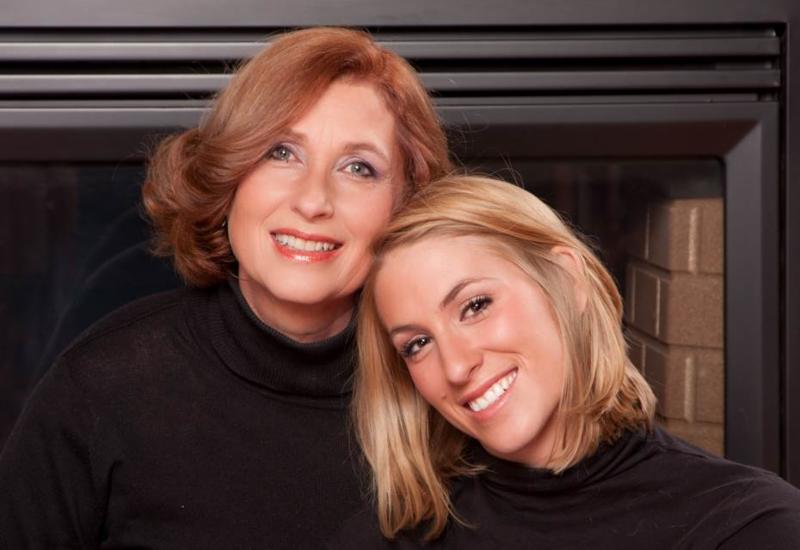 I could tell you all the pain and guilt and sheer hunger for her presence have been at least as bad as you might imagine. I could say I've decided "closure" is the dumbest word in the English language. I could describe how scary and humbling it is to feel like your brain has gone into a fogbank that will never clear. I could tell you all the pain and guilt and sheer hunger for her presence have been at least as bad as you might imagine. I could say I've decided "closure" is the dumbest word in the English language. I could describe how scary and humbling it is to feel like your brain has gone into a fogbank that will never clear.
People often ask me how I have kept going. I say it just happens. You put one foot in front of the other. A day passes, a week, a month. And now a year. It's not easy.
Sometimes people ask how I'm able to talk to audiences about mental illness when she died of it. Answering that is easy. I say I'm one of the lucky ones because I'm an advocate. I can channel my sorrow into change for all the other Natalies.
After I wrote about her death in the Washington Post, I heard from so many people who aren't lucky like me. Young adults with mental illness fighting for their lives. Families shunned by neighbors and friends because they had a son or daughter or spouse who was sick. Suicide survivors who had lost not one child but two, or whose loved one took someone else's life, too. A world of hurt.

I wrote in the Post, "The pain I feel from her loss is but a drop in the ocean of pain created by untreated mental illness." In the weeks and months that people continued to find the story, the breadth and depth of that ocean has grown ever more into focus.
But, over and over again, I saw in others what I've felt myself: Advocacy gives struggle and grief an outlet. It finds the hope that survives despair. It lightens the horizon. Whether we are fighting for ourselves, like Natalie did, or our loved ones or clients or our communities, advocacy is good for us. It is good for others.
Natalie was the bravest person I have ever known. Her suicide didn't change that, and it left a legacy of courage and advocacy, including my own.
She would have loved that.
Sincerely,

Doris A. Fuller
Chief of Research and Public Affairs
To comment, visit our Facebook page.
Visit our blog archive to read all our recent posts.
Senate HELP Proposal Ignores the Most Severely Ill, Perpetuates Broken System
(Mar. 10, 2016) The Senate Committee on Health, Education, Labor & Pensions (HELP) on Tuesday made public a draft mental health bill that eliminates every substantive provision to help people with severe mental illness.
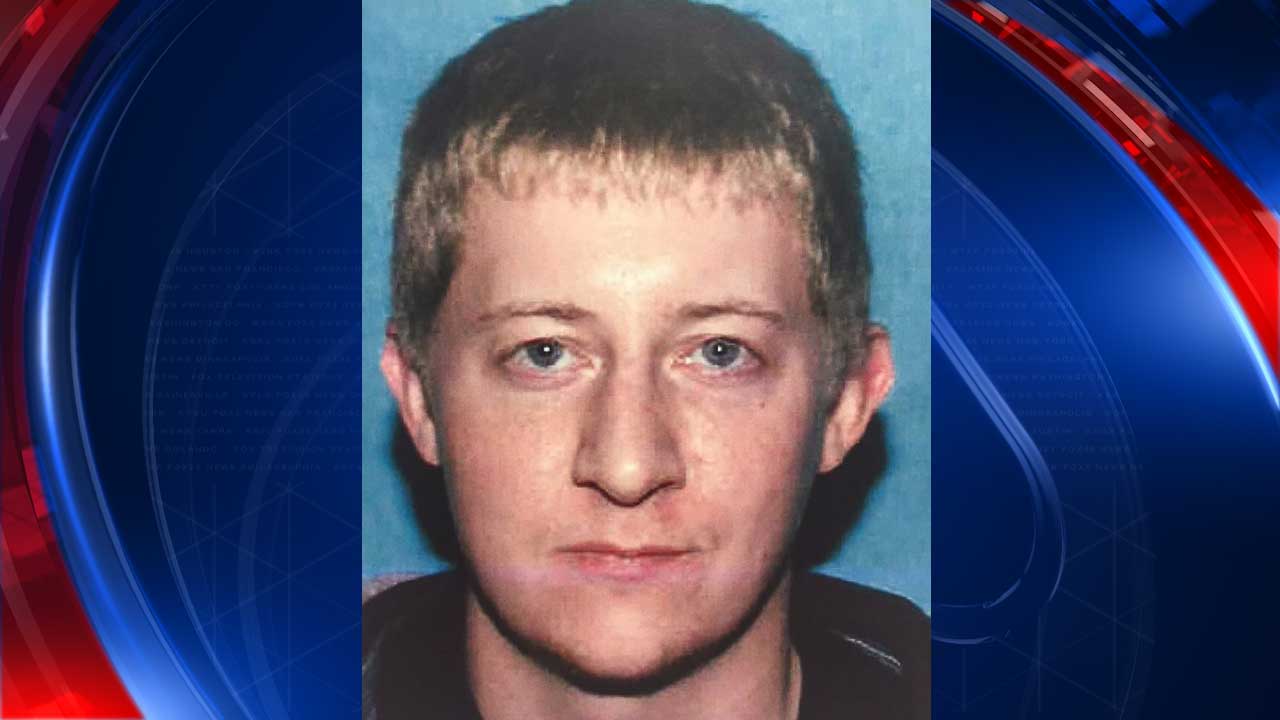 At nearly the same time, Kyle Odom, a 30-year-old veteran with a reported history of mental illness was arrested after throwing objects over the White House fence. Odom is suspected in the shooting of a pastor in Idaho two days earlier, according to media accounts. At nearly the same time, Kyle Odom, a 30-year-old veteran with a reported history of mental illness was arrested after throwing objects over the White House fence. Odom is suspected in the shooting of a pastor in Idaho two days earlier, according to media accounts.
"Odom -- a man tortured by a history of suicide attempts, paranoia, voices and hallucinations --- identified 50 members of Congress as dangerous Martians and was arrested for attempting to fulfill part of his manifesto on the White House lawn," said John Snook, executive director of the Treatment Advocacy Center. "What more needs to happen for our policymakers to take our failing mental health system seriously and change the status quo?"
"Families watching their loved ones deteriorate into a psychiatric crisis need Congress to embrace proven solutions and real reform," the executive continued. "Instead, the Senate HELP Committee proposal ignores the momentum that has been built around fixing the broken system, and disregards every major change to help the most severely ill outlined by Representatives Tim Murphy and Eddie Bernice Johnson in their Helping Families in Mental Health Crisis Act - a bill with the bipartisan support of 185 Representatives."
The Treatment Advocacy Center urges lawmakers in the Senate to include in the bill the five following provisions to help reduce the tremendous social costs associated with our broken mental health system.
Real reform must include:
- Reform of the Substance Abuse and Mental Health Services Association (SAMHSA);
- Reform of the discriminatory IMD exclusion to ensure more psychiatric inpatient beds;
- Reform of HIPAA provisions that unnecessarily prevent communication with caregivers;
- Support for assisted outpatient treatment, a proven solution to help those most in need;
- Real oversight of Protection and Advocacy programs.
Call HELP committee leadership today:
- Chairman Lamar Alexander (R-TN) -- (202) 224-4944
- Ranking member Sen Patty Murray (D-WA) -- (202) 224-2621
Is your Senator on HELP? Check here.
Call your Senator TODAY and tell them to make severe mental illness a priority.
To comment, visit our Facebook page.
Visit our blog archive to read all our recent posts.
AND NEW MEXICO LEAVES FOUR
After landmark bill is signed in New Mexico, only four states remain without critical outpatient treatment law for people with severe mental illness
New Mexico today became the latest state to authorize assisted outpatient treatment (AOT) for qualifying individuals with untreated severe mental illness – adding to the growing list of states reforming their laws to make psychiatric treatment more accessible.
“New Mexico legislators capitalized on the wave of treatment reform occurring across the country, offering AOT as a less restrictive alternative to inpatient psychiatric hospitalization for people who are too sick to seek treatment themselves,” said John Snook, executive director of the Treatment Advocacy Center.
New Mexico is the 46th state to authorize a court-ordered outpatient treatment (AOT) law. It will take effect July 1, 2016.
“The benefits of assisted outpatient treatment have long been championed by the Treatment Advocacy Center, advocates for people with severe mental illness, their families, mental health professionals and experts alike,” Snook continued. “With New Mexico hitting this milestone, only four states remain without this critical treatment option.”
Special thanks goes to the countless New Mexico families who have spent years advocating and telling their stories alongside the Treatment Advocacy Center. It is those stories and the relentless drive of advocates from across the states that made today possible.
But our work is not done.
Four states continue to refuse to help those most in need by making AOT available as a treatment option. We hope that families in Connecticut, Maryland, Massachusetts, and Tennessee all take heart in New Mexico’s example and know that their hard work is not in vain.
Momentum is on the side of treatment and the Treatment Advocacy Center will not rest until necessary treatment is available to everyone who needs it.
RESEARCH WEEKLY: Getting to the Science You Need and Want
(Mar. 8, 2016) Nobody has a greater stake in progress toward new treatments for severe mental illness than the patients, caregivers and professionals who live and work with psychiatric disease. Yet, as we noted in our February 23 Research Weekly, the end users of mental health science are typically the "last to know" about research findings that might improve our lives and work now.
The first-episode psychosis protocols promoted in the Recovery After Initial Schizophrenia Episode (RAISE) are a good example. The model developed  with grants from the National Institute of Mental Health moved from clinical trial to implementation in just seven years. Publication of the promising findings was greeted with front-page stories and top-of-the-hour reports last year. with grants from the National Institute of Mental Health moved from clinical trial to implementation in just seven years. Publication of the promising findings was greeted with front-page stories and top-of-the-hour reports last year.
Yet aggressive, multidisciplinary, first-episode intervention practices have been widely used, studied and validated in other countries, for decades; the "breakthrough" of RAISE was that the model underwent clinical trials in the US, was validated on US soil and has now been funded and is being implemented here.
This is progress, to be sure. But the generations of American young adults who experienced first-episode psychosis when the model wasn't well-known here are illustrations - some might say victims - of the practical implications when research does not reach its end users in a timely fashion.
The Research-Practice Gap
Addressing the International Society for CNS Clinical Trials and Methodology (ISCTM) in February, the Treatment Advocacy Center identified three ways that end users fall into the gap between research and practice:
- Research exists, but it's aimed at someone other than us. This would be the case with findings released at professional conferences or published only in professional journals.
- We can find the research, but it's not freely accessible. The recent news that scientists have "moved closer to understanding schizophrenia's cause" was published in Nature. The article can currently be "rented" for 48 hours with printing and saving restrictions or purchased in a printable format for $32. "Pay walls" like these are common and can be prohibitive.
- We can access the research, but it's not easily understood. The promising report that a 12-week course of omega-3 fish oil may reduce the risk of early psychotic symptoms progressing to schizophrenia is available, free in its entirely (and highly recommended) from Nature Communications. But is written for scientists, not lay readers, which makes it difficult to translate into action.
Bridging the Gap
In our comments to the ISCTM, we identified a few of the work-arounds available to members of the public who want to bridge the research-to-user gap for their own benefit.
- Make yourself part of the target audience. Just because you don't subscribe to one of the journals publishing brain and behavior studies doesn't mean you have to be left out of the news. Use Google Alerts to track the conditions, treatments, medications, policies and other topics important to you as an end user. Download apps that allow you to set up a custom news stream for schizophrenia, bipolar disorder, antipsychotics or whatever matters to you. The news will find you.
- Familiarize yourself with the Internet sources that make science publicly available. Hunt for abstracts and articles on Google Scholar, PubMed and similar browsers and databases. Use ClinicalTrials.gov to search for data about clinical studies of humans worldwide.
- Seek out the translators. Research Weekly summarizes one study a week of relevance to the most severe mental illnesses. Hogg Foundation's MH Daily publishes a daily digest of blurbs and links to a variety of topics, including research. Subscribe to Research Weekly and other resources that translate science.
Useful information for patients, families, medical providers, the media and other members of the public falls into the science-to-practice gap. Building our own bridges is one way to shrink it.

Doris A. Fuller
Chief of Research and Public Affairs
References:
Research Weekly is a summary published as a public service of the Treatment Advocacy Center and does not necessarily reflect the findings or positions of the organization or its staff. Full access to research summarized may require a fee or paid subscription to the publications.
To comment, visit our Facebook page.
Visit our blog archive to read all our recent posts.
Maryland’s Severely Mentally Ill Need Treatment before the Worst Happens — guest commentary
(Mar. 7, 2016) By now, many of us are familiar with the tragic story of 3-year-old Ji’Aire Lee, who was found dead on a playground in Maryland after his mother pushed him on a swing for nearly two days.
 His mother, Romechia Simms, had a history of psychiatric hospitalization and had stopped taking medication for schizophrenia just days before her son’s death. His mother, Romechia Simms, had a history of psychiatric hospitalization and had stopped taking medication for schizophrenia just days before her son’s death.
A judge ruled last month that Simms was not criminally responsible for the death of her son. She will receive treatment for her mental illness with many conditions, including regular visits with mental-health professionals and submitting blood tests to prove that she is on medication.
The judge is to be lauded for allowing Simms to remain in the community under a treatment order rather than sending her to prison — where nearly one-quarter of those incarcerated suffer from a serious psychiatric disease. But it shouldn’t take the death of a child, or even one encounter with the criminal justice system, for someone with severe mental illness to receive proper treatment.
Maryland’s mental-health system doesn’t have a safety net in place to catch someone like Simms before a tragedy occurs. It is one of only five states without an assisted outpatient treatment law — a program that could have mandated that the mental-health system provide treatment and regular follow-ups for Simms.
Such programs are simple. The law requires the most vulnerable and severely ill patients — those who are most likely to end up homeless or the victim or perpetrator of a crime — to follow court-approved treatment plans as a condition of remaining in the community. The court orders also require mental-health providers to provide adequate monitoring of the patients and the services listed in the treatment plans.
In 2014, Maryland had the opportunity to authorize assisted outpatient treatment. With the support of mental-health advocacy groups and families, the Department of Health and Mental Hygiene proposed legislation authorizing the program. But the administration decided to table discussion of it because of funding concerns — despite the proven cost savings associated with it.
Family members of people with severe mental illness are left helpless. They are forced to watch their loved ones stop taking medications and spiral into psychosis that can ruin their lives, threaten others and cost the state an extraordinary amount of money.
Simms, like many other people with severe, untreated mental illness, ended up in the criminal justice system. She is unusual only in that she will receive treatment instead of going behind bars. In Maryland, a person with severe mental illness is nearly three times more likely to become incarcerated than to receive treatment in a hospital.
If the state had moved forward with assisted outpatient treatment legislation, Simms might not have suffered the psychotic episode that resulted in the death of her child.
It is time for Maryland to dust off the health department’s proposal and move forward. Give the mental-health system the tools to intercede before another unimaginable, irrevocable tragedy occurs.
JOHN SNOOK
EXECUTIVE DIRECTOR, TREATMENT ADVOCACY CENTER
Read the entire column here.
To comment, visit our Facebook page.
Visit our blog archive to read all our recent posts.
No Psych Beds, No Relief in Sight
(Mar. 3, 2016) Victor Ford and Dennis Gross will remain in jail while the Wyoming State Hospital works to find a hospital bed for them, a judge ruled last week (“Mental illness woes see no end,” Jackson Hole News & Guide, Mar. 2).
 The two men will remain locked in limbo waiting for bed space to open up, in what has unfortunately become a common dilemma state- and nationwide. The two men will remain locked in limbo waiting for bed space to open up, in what has unfortunately become a common dilemma state- and nationwide.
Ford has been waiting for a month and Gross for four months. They cannot progress through the legal system until a qualified evaluator determines whether their mental illnesses interfere with their ability to continue.
“I just do not have a bed, and I don’t know what to do,” said Department of Health Director Tom Forslund. “We have a serious situation.”
Authorities said that longer jail stays due to a lack of hospital beds for inmates who need court-ordered evaluations has been a problem in the state for years and that they see no relief in sight.
Wyoming has just 20.4 public psych beds per 100,000 people – far below the minimum of 50 considered necessary to provide minimally adequate treatment for individuals with severe mental illness.
There are currently four inpatient facilities in Wyoming with full psychiatric wards.
When these facilities are full, Teton County is one of several counties with no choice but to keep mentally ill defendants behind bars – a practice which is cruel and inhumane.
Teton County Sheriff Jim Whalen, who prompted the recent hearings in an effort to spur the state hospital to action, said he was fed up with using the jail as a stopgap measure.
“What I fear is also the future,” Whalen said. “This seems like a good time to figure this thing out. It’s a sad commentary on the situation we are all in that I felt compelled to take the action I did. It’s just not acceptable for us or for these men.”
Ford and Gross are expected to be transferred to a state hospital this month, after what state officials described as “bending over backward” to decrease their wait times.
But they are far from the first to see delays due to long waits for state hospital beds.
The American Civil Liberties Union (ACLU) has filed numerous recent lawsuits against other states, including California and Pennsylvania, for long wait times. Wyoming may be next.
Read the Treatment Advocacy Center report “No Room at the Inn” to learn more about how the continuous emptying of state psychiatric hospitals for the past half century has decimated the number of public psychiatric beds available for the treatment of acutely or chronically ill psychiatric patients in the United States.
To comment, visit our Facebook page.
Visit our blog archive to read all our recent posts.
Over a Third of People Shot by LAPD in 2015 Were Mentally Ill
(Mar. 2, 2016) More than a third of the people shot by Los Angeles police in 2015 showed signs of mental illness, nearly triple the number from the year before, according to a report by LAPD officials made public Tuesday (“More than a third of people shot by L.A. police last year were mentally ill, LAPD report finds,” Los Angeles Times, Mar. 1).
 The 300-page report offers a review of how and when Los Angeles police officers used force in recent years in an effort to answer a question that has plagued the department for years: How can officers safely interact with a growing mentally ill population? The 300-page report offers a review of how and when Los Angeles police officers used force in recent years in an effort to answer a question that has plagued the department for years: How can officers safely interact with a growing mentally ill population?
Fourteen of the thirty-eight people shot by LAPD officers in 2015 had documented signs of mental illness, according to the report. And about a quarter of the nearly 1,900 less-serious uses of force — such as an officer using a Taser or firing a bean-bag shotgun — involved someone the officer believed was mentally ill.
LAPD Chief Charlie Beck said Tuesday that encounters involving officers using force are rare – accounting for fewer than 2,000 of the 1.5 million contacts officers made last year. Nonetheless, the department is eager to drive the number down, he said.
Coincidently, Tuesday also marked the one-year anniversary of the skid row shooting in which officers fatally shot Charly “Africa” Keunang after he allegedly grabbed an officer’s holstered gun. Keunang was homeless, suffered from severe mental illness, and had previously spent years in a prison mental hospital.
That shooting and others have prompted furious criticism of the Los Angeles Police Department and calls for better training for officers who intersect with the mentally ill population.
But better training will only go so far. Police still need someplace to take people suffering from acute psychiatric crises.
“There simply aren’t enough hospital beds available for those who need care,” Treatment Advocacy Center Executive Director John Snook said in a recent interview with the Los Angeles Daily News.
Reform cannot come soon enough. A 2015 Treatment Advocacy Center report on the role of mental illness in fatal police encounters found that people suffering with untreated mental illness are 16 times more likely to be killed during a police encounter than other civilians approached or stopped by law enforcement.
It’s a good thing the LAPD is investigating its use of force, but it shouldn’t take high-profile tragedies and national outrage for this to happen. We must use this information as motivation to restore the mental health system so that individuals with severe mental illness are not left to deteriorate until their actions provoke a police response.
To comment, visit our Facebook page.
Visit our blog archive to read all our recent posts.
RESEARCH WEEKLY: Mental Health Caregivers under "High Emotional Stress"
(Mar. 1, 2016) It may not come as news to anyone who cares for a mentally ill loved one that the stress is enormous, but a new survey of 1,600 unpaid caregivers still contains startling - and sobering - findings about the toll such caregiving takes on those of us in this role.
 Three-quarters of the participants reported "high emotional stress" as a result of their caretaking responsibilities. They described the experience as living on "pins and needles." About 4 in 10 said they found it difficult to take care of their own health, and 6 in 10 said caregiving had made their own health worse. Three-quarters of the participants reported "high emotional stress" as a result of their caretaking responsibilities. They described the experience as living on "pins and needles." About 4 in 10 said they found it difficult to take care of their own health, and 6 in 10 said caregiving had made their own health worse.
Overall, the caregivers of loved ones with psychiatric diseases were found to be spending significantly more hours a week and years of their lives caring for their loved ones, who were significantly more likely to be living with them.
Describing "Experiences and Challenges"
The purpose of "On pins & needles: Caregivers of adults with mental illness" was to "describe the experiences and challenges" of mental health caregivers. Prepared by consultants Greenwald & Associates, the study published by the National Alliance for Caregiving (NCA) analyzed a September 2015 survey of 1,601 caregivers of adults with serious-to-moderate emotional or mental health issues.
The report said mental health caregivers of adult children "are in an especially unique situation" because most (64%) report their sons or daughters are financially dependent on friends and family, yet barely one-third of the family caregivers have a plan in place for someone else to provide care once the parent no longer can.
"The findings in this report illustrate how mental illness can impact not only an individual patient, but the family caring for that patient," according to the report drafted by Greenwald & Associates, with input from NCA, National Alliance on Mental Illness and Mental Health American.
Among the findings
- Mental health caregivers average 54 years old. The recipients of their care average 46 years old, but most (58%) are between 18 and 39.
- More care for an adult child (45%) than for any other related person (parent, 14%; spouse, 11%).
- Mental health caregivers average 32 hours of care per week compared with 24 hours for other caregivers.
- Mental health caregivers provide nine years of care on average, more than double the typical four years provided by others.
- In nearly half the cases (45%), the care recipient lives with the caregiver. This compares with 34% of family members for caregiving associated with non-psychiatric conditions.
- About half (48%) the caregivers said they found it difficult to talk to others about their loved one's condition, and about the same number reported "feeling alone" because of their role.
The caregivers also described many challenges to getting diagnosis and treatment for a family member in their care. About half reported healthcare providers had withheld information about their loved one's condition and about the same number said they were included in care conversations less often than they should have been.
Seven policy recommendations are made to address the "unique challenges" facing mental health caregivers.

Doris A. Fuller
Chief of Research and Public Affairs
References:
National Alliance for Caregiving. (February 2016). On pins & needles: Caregivers of adults with mental illness.
Next Week: Transparency on the Front Lines" - Part 2
Research Weekly is a summary published as a public service of the Treatment Advocacy Center and does not necessarily reflect the findings or positions of the organization or its staff. Full access to research summarized may require a fee or paid subscription to the publications.
To comment, visit our Facebook page.
Visit our blog archive to read all our recent posts.
Triage Center Welcome Alternative to Jail, ER
(Feb. 29, 2016) A 24-hour mental health triage center may be opening in Chicago later this year with the goal of removing some of the burden from one of the country’s most overcrowded facilities, Cook County jail, where about a fifth of inmates suffer from a mental illness (“In Chicago, triage for mentally ill before jail,” Associated Press, Feb. 25).
 The proposed triage center would function as a place that Chicago-area police could take people experiencing psychiatric or substance-abuse crises instead of the emergency room or, more often, jail. The center would be located at an existing outpatient clinic on Chicago's South Side in an area that county data shows sends the most people with mental illness to the jail. The proposed triage center would function as a place that Chicago-area police could take people experiencing psychiatric or substance-abuse crises instead of the emergency room or, more often, jail. The center would be located at an existing outpatient clinic on Chicago's South Side in an area that county data shows sends the most people with mental illness to the jail.
The initiative is based on successful models in other cities, which have already reaped savings in jail and hospital costs.
But advocates for the plan say it will work only if officers are properly trained.
"In a perfect world, one would hope officers observing a person with a mental health problem would get them to a treatment center," said Dr. Jay Shannon, chief of Cook County Health & Hospitals System.
Shannon said recent high-profile police shootings might have been avoided with a functioning mental health triage center and officer training.
Last December, a 19-year-old Chicago resident named Quintonio LeGrier called 911 asking for help three times while in the throes of a psychotic break due to untreated severe mental illness. During the first two calls, LeGrier was hung up on because he was too erratic to answer all of the dispatcher’s questions. When officers finally responded to the scene, they found a frightened LeGrier clinging to an aluminum bat. Moments later they fatally shot him.
Spurred by outrage over the LeGrier shooting and others, Chicago is now training more officers in crisis intervention training (CIT) to help them learn how to interact with people in crisis. By the end of the year, about 35 percent of officers will have that training, said Chicago Police spokesman Anthony Guglielmi.
In Illinois, court-ordered treatment in the community – also known as assisted outpatient treatment (AOT) – is only practiced in some parts of the state and with varying frequency.
A mental health triage center could effectively fill in some of the treatment gaps in areas that don’t currently utilize this life-saving, evidence-based program. But, as others have noted, a triage center is just one tool in a toolbox that must also include statewide AOT and other mental health diversion practices.
To comment, visit our Facebook page.
Visit our blog archive to read all our recent posts.
“My Grandson was a Precious Soul who Lost his Life Needlessly” – personally speaking
(Feb. 24, 2016) As a child, my grandson Ji’Aire was always a bright light that brought joy to everyone he met. He was well known and loved in his community. He was very excited to finally be able to start school like all the other big kids he tried so desperately to keep up with.
 My grandson was not only the light of his mother Romechia’s life, but the light of his Granny’s life as well. My grandson was not only the light of his mother Romechia’s life, but the light of his Granny’s life as well.
But Ji’Aire’s life was taken from us last May while in a swing at a park in Maryland.
Ji’Aire should still be here with us today, but because of gaps in the mental health system and a lack of resources for those suffering from a mental illness in Maryland help didn’t come in time to save my grandson.
As a grandmother and mother, I went to every agency I knew of seeking help and resources for my family. My daughter suffered a mental break for the first time nearly a year before my grandson’s death. Before that time she was attending college on a scholarship after scoring nearly 1500 on her SAT’s and working part-time.
On several occasions before Ji’Aire’s death, I contacted the Charles County Sheriff’s Department seeking assistance for my grandson and daughter while she was in crisis, but by law I had no rights over them. They said that she looked fine to them, despite the fact that I showed them paperwork stating that she was scheduled for an outpatient evaluation the next day.
Romechia was eventually taken to a southern Maryland hospital, but she was released after only 5 days.
I reached out to a number of agencies for help and even contacted a few of my delegates. No one was willing to help my family.
Maryland is in desperate need of mental health reform.
Maryland is now 1 of only 5 states in this country that doesn’t have adequate mental health laws. Assisted outpatient treatment – a proven method of helping people with severe mental illness – doesn’t exist in Maryland. Mental illness is not going to go away. It’s time for Maryland to get up to speed.
Ji’Aire would be 4 years old today, going to school, making new friends, and capturing the hearts of so many. As his grandmother, I have made it my mission to bring awareness and wellness to the mental health community. Ji’Aire was a precious soul who lost his life needlessly. I can’t allow him to die in vain. Mental illness is a silent killer that can’t remain silent anymore. We must scream out at the top of our lungs for reform and change.
VONTASHA SIMMS
MARYLAND
To comment, visit our Facebook page.
Visit our blog archive to read all our recent posts.
|
|