“I Used the Mobile Crisis Kit – and It Helped” – personally speaking
(June 14, 2013) I don’t know about other parents, but when my daughter is in psychiatric crisis, my brain turns to mush.
 It doesn’t matter how many times I go through this experience or how recently I’ve reviewed the civil commitment laws and standards in her state. At the height of a crisis, fear and dread flush every last particle of memory from my mind and transform me into a terror-stricken, paralyzed mom. It doesn’t matter how many times I go through this experience or how recently I’ve reviewed the civil commitment laws and standards in her state. At the height of a crisis, fear and dread flush every last particle of memory from my mind and transform me into a terror-stricken, paralyzed mom.
The last time this happened was two weeks ago. After more than a year of stability and soaring accomplishment, my darling daughter suddenly veered into mania that, for her, inevitably is followed by psychosis. Thankfully, there was a caring and capable adult on call, but the episode unfolded late on a Friday night more than 2,500 miles away. I had to respond by remote control.
As my stand-in described how my daughter was acting, my brain turned to mush. You know how we tell our little children to "remember your words"? I couldn't remember my words.
But then I remembered the Psychiatric Crisis Resources mobile app we had released literally days earlier that I had saved to my smartphone screen.
I opened the app.
I tapped “Emergency Evaluation” and chose her state.
I read this: “A person may be taken into custody … (or) detained (for emergency evaluation upon) reason to believe that the person is gravely disabled due to mental illness….”
I hit “Back” to return to the menu and and tapped “Inpatient/Outpatient Criteria” to read the "gravely disabled" definition.
And there it was: If “there is a substantial risk (she) will continue to physically, emotionally or mentally deteriorate to the point that the person will, in the reasonably near future, be in danger….”
My daughter was gravely disabled. She not only should but could under the law be detained for an emergency psych evaluation.
I read the language to my stand-in so she knew what to tell authorities. She managed to coax my daughter into the car and drove her to the ER; we would have called police if that hadn't worked. In the ER, she used the words I'd read to her, and my daughter was admitted for evaluation. She was hospitalized overnight and transferred the next day to the local psychiatric facility for care.
At the Treatment Advocacy Center, we’re always looking for ways to make treatment more accessible to people who need it - as soon as they need it, not dangerously later. We thought equipping families with mobile psych crisis tools might help.
I never anticipated the circumstances that very likely made me one of the first people to use our newest tool. Those of us who live on hope never really do.
But I'm so grateful it was there for me, and I'm sharing this story because we family members need all the help we can get, and our mobile app might help you or someone you know, too.
This is a happy-ending story with a darker lining. My daughter got timely, needed treatment over the next 10 days and has been released, stabilized and symptom-free.
But she lives in what we call a need-for-treatment state. That means she got treatment because she met conditions that demonstrated she needed it to avoid becoming dangerous, not because she already was. Only about half our states have need-for-treatment laws. We need better laws, and we need the states with good laws to use them. Our loved ones' lives depend on them.
Please download our app and save it to your smartphone screen. If you know someone with a severe mental illness, you never know when it might put the words you need in a crisis at your fingertips.
And then look up your state. How broad is its law? Would it enable you to get your family member or friend or neighbor care in a crisis?
If not, help us improve your law. Here are a few ways.
DORIS A. FULLER
Executive director
To comment, visit our Facebook page.
Visit our blog archive to read all our recent posts.
Do You Know Someone Behind Bars and Not Receiving Treatment?
(June 13, 2013) We can all agree that individuals with serious mental illnesses do not belong in jails or prisons. The reality, however, is that many such individuals are in jails and prisons as a result of the increasingly failed mental illness treatment system.
 Making the problem even worse, there appears to be considerable confusion among families, and even among some jail and prison officials, regarding the legal circumstances under which individuals with serious mental illness can be involuntarily treated in jails and prisons when they are psychotic and unaware of their own illness. Making the problem even worse, there appears to be considerable confusion among families, and even among some jail and prison officials, regarding the legal circumstances under which individuals with serious mental illness can be involuntarily treated in jails and prisons when they are psychotic and unaware of their own illness.
For this reason, Dr. E. Fuller Torrey and the Treatment Advocacy Center are undertaking a state-by-state survey of laws and practices for treating jail inmates who refuse treatment for a severe and persistent mental illness. When it is complete later this year, the survey will be permanently posted on our website and be accessible to everyone, along with the other state-related information we already provide.
As part of the survey, we are reaching out to NAMI leaders across the country and any family member with a story about the experiences of individuals with serious mental illness (e.g., schizophrenia, bipolar disorder, schizoaffective disorder or severe depression with psychotic features) who should have been treated involuntarily while they were in jail or prison but, for whatever reason, did not receive treatment. We are interested in collecting examples of both bad outcomes when involuntary treatment was not provided and good outcomes when it was provided.
Do you or someone you know have a family member in jail or prison and an interest in the involuntary treatment problem?
If so, we would like to hear about that treatment situation. In our report, we will not identify the individuals or the jail/prison by name, only by state, except in cases in which the information is already public.
To contribute information to this survey, please email Dr. E. Fuller Torrey at
This e-mail address is being protected from spambots. You need JavaScript enabled to view it
before August 1, 2013.
To comment, visit our Facebook page.
Visit our blog archive to read all our recent posts.
Remembering a Compassionate Champion for Treatment
(June 12, 2013) Dr. Dean Brooks – the man author Pete Earley calls “the Dorothea Dix of the 21st century” – has died at the age of 96, leaving the mentally ill without a compassionate champion.
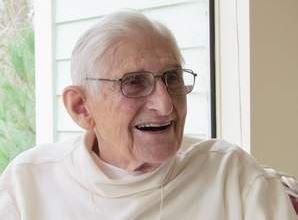 Brooks is most identified with his role as the Oregon state mental hospital director who opened the hospital’s doors to film One Flew Over the Cuckoo’s Nest and appeared in the movie as the institution’s chief psychiatrist. Cuckoo's Nest was described in E. Fuller Torrey’s landmark book, Surviving Schizophrenia, as “the quintessential film for the counterculture: the mental institution as a metaphor for the abuse of authority.” The image of the hospital in the film helped fuel a well-intentioned but misguided policy that has left the US with too few beds to treat people with severe mental illness. Brooks is most identified with his role as the Oregon state mental hospital director who opened the hospital’s doors to film One Flew Over the Cuckoo’s Nest and appeared in the movie as the institution’s chief psychiatrist. Cuckoo's Nest was described in E. Fuller Torrey’s landmark book, Surviving Schizophrenia, as “the quintessential film for the counterculture: the mental institution as a metaphor for the abuse of authority.” The image of the hospital in the film helped fuel a well-intentioned but misguided policy that has left the US with too few beds to treat people with severe mental illness.
While the film is credited with speeding up the process of deinstitutionalization, Brooks in recent years grew increasingly alarmed by the consequences of wholesale public hospital closings. He called jails and prisons the “new asylums” and said community care was failing to help people who need it the most.
His voice will be missed.
Even though Brooks was an ardent advocate for people with severe mental illness, Oregon still has a severe shortage of public psychiatric beds and jails three times more people with severe mental illness than it hospitalizes, according to our 2010 study, “More Mentally Ill Persons Are in Jails and Prisons Than Hospitals.”
To comment, visit our Facebook page.
Visit our blog archive to read all our recent posts.
Santa Monica Shooter Reportedly Suffered from Mental Health Issues
(June 10, 2013) The Santa Monica, California, shooter, whose rampage left four victims and the suspect dead, had a history of mental health issues that resulted in a prior hospitalization, according to media reports (“Santa Monica gunman previously hospitalized for mental health,” CNN, June 8).
 The mass killing that occurred Friday spanned several parts of Santa Monica. The suspect has been identified as 23-year-old John Zawahri. Authorities say he killed his father and brother before carjacking a woman's vehicle and firing at a public bus and continuing his rampage. The mass killing that occurred Friday spanned several parts of Santa Monica. The suspect has been identified as 23-year-old John Zawahri. Authorities say he killed his father and brother before carjacking a woman's vehicle and firing at a public bus and continuing his rampage.
Currently, California’s largest mental health facility is Twin Towers, which is actually a wing of the Los Angeles County Jail. The state has roughly 14.2 psychiatric beds per 100,000 individuals. The supply was virtually identical in 1850 at 14.1 beds for 100,000 individuals. A person with severe mental illness in California is nearly four times more likely to be in jail or prison than a psychiatric hospital.
But there is hope for residents of California. Los Angeles County has a small pilot project that allows people with a history of violence or previous hospitalizations to be required to comply with treatment as a condition of remaining in the community. The program has demonstrated a 78% reduction in incarceration. The program is not currently available in Santa Monica.
To comment, visit our Facebook page.
Visit our blog archive to read all our recent posts.
"Medicate Me, Even When I Refuse" – guest blog
(June 7, 2013) Suppose your toddler wanted to play with your kitchen knives. They are bright and shiny, and she sees you use them everyday, so she asks for them. "No," you kindly but firmly say. "They are very sharp and would hurt you." Your toddler begins to whine, then yell, then tantrum when you refuse to let her play with those knives. Do you give in, when you see how much it means to her, how upset she is that you authoritatively refuse to grant her permission? No, you are a good parent, and because you are responsible for her safety, you calm her down and redirect her to things with which she is allowed to play. The tears dry, and her smile returns -- and she is safe.
 Had she been permitted to have her way and play with the sharp knives, she would have badly cut herself. She didn't understand this; she was unaware of the danger she would have been to herself. She needed someone outside herself to keep her safe, until she was older and could understand the damage a knife can cause. Had she been permitted to have her way and play with the sharp knives, she would have badly cut herself. She didn't understand this; she was unaware of the danger she would have been to herself. She needed someone outside herself to keep her safe, until she was older and could understand the damage a knife can cause.
Such a scenario is reminiscent of anosognosia: the inability to recognize one's own illness, often while persisting in behaviours that are harmful to oneself. While it can also occur to due neurological disorder, it is very prevalent in psychiatric illnesses such as schizophrenia. Many people experiencing psychosis do not believe they are at all ill. They refuse help, and, unless treated against their (psychotic) will, they may harm themselves or others.
But we must have the right to harm ourselves, have we not? Such reasoning parades as a constitutional right, the right to chose what happens to our bodies and brains. Move beyond that and find that the right to refuse psychiatric treatment is a growing movement. This group insists that any treatment for a mental illness is exceedingly harmful to the person -- if indeed there is such a thing as mental illness. "Mental illness," they say, is a "personal journey," something special that must not be crushed by involuntary medication or hospitalization.
Read the entire piece by Erin Hawkes in the Huffington Post.
To comment, visit our Facebook page.
Visit our blog archive to read all our recent posts.
"Obama Deserves Praise for Focus on Mental Health But Failed to Invite the Right Experts"
(June 6, 2013) President Obama deserves credit for hosting a White House summit on mental health on Monday, but the White House forgot to invite the people who arguably deal daily with more mentally ill persons than anyone else,” author Pete Earley wrote in an op-ed published in USA Today (“Obama deserves praise for focus on mental health, but failed to invite the right experts,” June 4).
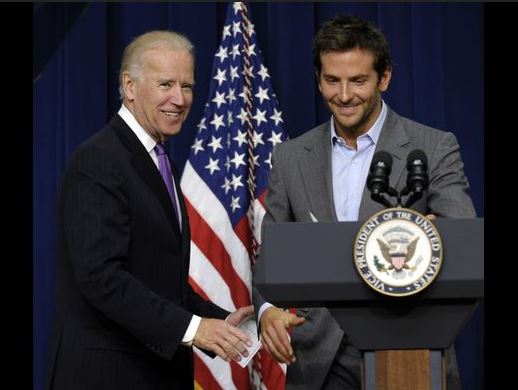 “No police officers, sheriff's deputies, correctional officers, probation officers or judges spoke at the summit. No high ranking Justice Department official attended. Nor was there any detailed mention by the president or his hand-picked speakers about the recent mass murders in Newtown, Conn., Aurora, Colo., and Tucson or on the Virginia Tech campus committed by young men with diagnosed mental disorders. “No police officers, sheriff's deputies, correctional officers, probation officers or judges spoke at the summit. No high ranking Justice Department official attended. Nor was there any detailed mention by the president or his hand-picked speakers about the recent mass murders in Newtown, Conn., Aurora, Colo., and Tucson or on the Virginia Tech campus committed by young men with diagnosed mental disorders.
“Given that the summit was prompted by last December's Sandy Hook Elementary School mass shooting, the aversion by the White House to actually discuss that shooting is disheartening.”
Read the entire op-ed in USA Today.
To comment, visit our Facebook page.
Visit our blog archive to read all our recent posts.
RESEARCH: New Drugs Show Promise for Treating Bipolar Mania
(June 5, 2013) The current “gold standard” for treating bipolar disorder is lithium, but a review of clinical research has found that other drugs may be more effective for acute episodes of mania without the side effects of lithium (“New drug developments for bipolar mania,” Psychiatric Times, Dec. 2012).
 Lithium has been associated with negative side effects, including sedation and weight gain, which can impact adherence to the treatment. A meta-analysis of recent clinical findings found lithium to be one of several medications that were more effective than placebo for mania. Another meta-analysis concluded that some of the alternative medications “were significantly more effective than mood stabilizers” in bipolar treatment. Lithium has been associated with negative side effects, including sedation and weight gain, which can impact adherence to the treatment. A meta-analysis of recent clinical findings found lithium to be one of several medications that were more effective than placebo for mania. Another meta-analysis concluded that some of the alternative medications “were significantly more effective than mood stabilizers” in bipolar treatment.
“Because strong evidence exists for the use of lithium . . . as a maintenance treatment for BP, antipsychotics may be increasingly used to treat the acute manic phase of the disorder and mood stabilizers (particularly lithium) may be used for long-term treatment,” the authors suggested.
With research for new mental illness medications in serious decline, identification of what the authors call “novel and more effective treatments” – including the application of existing medications to new situations – is encouraging.
To comment, visit our Facebook page.
Visit our blog archive to read all our recent posts.
Nevada Passes Bill to Become 45th State Authorizing AOT!
(June 4, 2013) The Nevada Legislature yesterday joined 44 other states and passed a bill to bring crucial mental health reform to individuals with serious mental illness who struggle with treatment compliance.
 Once signed by the governor or after 10 days, the bill will make Nevada the 45th state to adopt an assisted outpatient treatment (“AOT”) law and leave only five U.S. states without the option of less restrictive court-ordered treatment in the community for individuals with the most severe mental illness, many of whom are unable to recognize they are ill. Once signed by the governor or after 10 days, the bill will make Nevada the 45th state to adopt an assisted outpatient treatment (“AOT”) law and leave only five U.S. states without the option of less restrictive court-ordered treatment in the community for individuals with the most severe mental illness, many of whom are unable to recognize they are ill.
Championed by Assemblyman Lynn Stewart (R-Clark County), AB 287 would apply to individuals with severe mental illness who have a history of treatment non-compliance and are unable to make informed treatment decisions.
"If Gov. Sandoval signs the bill, Nevada will have a new tool to reduce hospitalization rates, homelessness, arrests and incarceration, while saving money and lives," said Kristina Ragosta, director of advocacy. "This law is a significant improvement. Not only will it protect rights of individual suffering from mental illness, it will provide safety and quality of life for the individuals, their families and the community."
Once signed, the new law will authorize a court to require a person who has severe mental illness and meets strict legal criteria to participate in treatment as a condition for remaining in the community.
“Nevada often ranks last in the nation in measures of mental illness treatment such as providing public hospital beds and has a high number of severely mentally ill people in jails and prisons,” said Doris A. Fuller, executive director. “With this measure, the legislature has significantly improved treatment options for the state’s most vulnerable residents.”
In addition to Assemblyman Stewart, the Las Vegas Metropolitan Police Department and the Nevada Psychiatric Association were instrumental in promoting passage of the bill. If the bill is signed, it would be effective July 1, 2013.
More Treatment Laws Improve
(May 31, 2013) Celebrating 15 years of making mental illness treatment possible is even more gratifying when we see states improve their treatment laws.
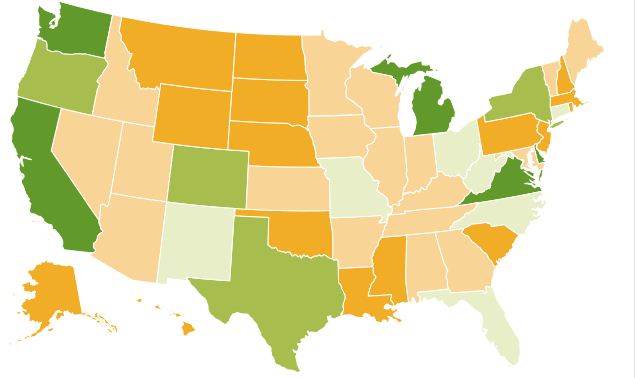 In Texas, a bill initiated by the Treatment Advocacy Center to improve the state’s assisted outpatient treatment (AOT) law has passed both houses and now awaits Gov. Rick Perry’s signature. The bill was introduced at our request by Sen. Bob Deuell (R-Greeneville) and was widely embraced by Texas mental health stakeholder groups. Most importantly, the bill removes confusing language from the current AOT law and clarifies that AOT means court-ordered treatment. In Texas, a bill initiated by the Treatment Advocacy Center to improve the state’s assisted outpatient treatment (AOT) law has passed both houses and now awaits Gov. Rick Perry’s signature. The bill was introduced at our request by Sen. Bob Deuell (R-Greeneville) and was widely embraced by Texas mental health stakeholder groups. Most importantly, the bill removes confusing language from the current AOT law and clarifies that AOT means court-ordered treatment.
In Washington, a bill has been signed into law that moves up the implementation date for changing Washington’s procedures for a mental health evaluation. Under current law, designated mental health professionals (DMHP) may base their evaluations solely on their own observations. Under the changes, DMHPs will be required to factor in witness testimony as well, and a process will be established for family members and others to formally submit their testimony to the DHMPs.
But there is more work to do. There’s no state law that couldn’t be further improved, and every state can make better use of their current laws. Some states have yet to recognize that waiting for people to become dangerous before treating their mental illness is waiting too long.
You can help implement assisted outpatient treatment in your state. You’ll also find tools and tips for advocacy on our What You Can Do page. Sign up to receive news, updates and information about advocacy opportunities from the Treatment Advocacy Center.
"Mentally Ill People Need a Helping Hand" – guest blog
(May 30, 2013) I am a laughingstock to some people in this town.
 I have bipolar disorder. Between the years of 1988 and 2006 (ages 26 to 44), I popped up manic in the streets of Buffalo six times. The episodes would last about six months, then I’d fall into the inevitable depression and disappear. I have bipolar disorder. Between the years of 1988 and 2006 (ages 26 to 44), I popped up manic in the streets of Buffalo six times. The episodes would last about six months, then I’d fall into the inevitable depression and disappear.
I wasn’t constantly “crazy.” Many people I interacted with never knew I was manic. I was able to function, albeit in a dysfunctional way. One symptom of mania is explosive irritation. I had moments of volatility. I was mean at times. I made enemies. I had some nutty ideas, and word spread. However, as it was with me during manias, most of the time I was kind and generous and appeared “normal.”
Once, I spent the night at the Erie County Holding Center for criminal mischief. Twice, little neighborly disputes escalated into harassment (on my part) and the police were called. I talked my way out of being arrested. Two of the officers knew I was bipolar. I tell practically everyone this when I’m manic, but when I’m normal it’s harder to reveal because of the stigma, ignorance and fear surrounding psychiatric disorders.
I gave the impression that I had it all under control. I really do think that. I couldn’t see that having the police called on me was a hint that all is not well. Normally, I’m a law-abiding citizen.
Once, I went to my primary care physician while manic. She recognized it and ran from the room. I never saw her again.
Once, I was working as a secretary. My boss, who is a doctor, knew I was bipolar, but when I started exhibiting symptoms she thought I was showing my “true colors.” It never occurred to her that I was sick. She fired me.
The reasons I wasn’t properly medicated or hospitalized during manias for such a long time are complicated. Ultimately, it’s my fault that I didn’t make sure proper steps were taken when I became manic. I swear I tried. Over the years, I went to multiple doctors and took copious amounts of pills. Lithium didn’t work for me, nor did other pills. Thank God, in 2007, I finally found the combination of drugs that keep me stable. Unfortunately, they weren’t invented until I was in my 40s.
Read Kathleen Copeland's entire piece in the Buffalo News
|
|