The Medical Model Matters
(July 2, 2013) The “medical model” holds that mental illness is a psychiatric disease with a physical (e.g., neurological, anatomical) explanations that can be addressed with medical treatment. At our NAMI 2013 Convention workshop, “The Medical Model Matters,” we shared these four myths and realities about the science of severe mental illness.
Myth: Mental illness is not a medical disease.
Reality: The National Institute of Mental Health defines mental illness as a disruption in neural circuits. New imaging techniques like PET, fMRI, MEG and high-resolution EEG are making it possible to map patterns of cortical activity in psychiatric diseases, and neuroimaging is beginning to yield their biomarkers. The view that mental illness is a lifestyle option or personality quirk is without scientific or clinical basis and reinforces the damaging concept that psychiatric symptoms are a behavioral choice.
Myth: If quality services were available, people who need treatment would seek help on their own.
Reality: An estimated 50% of individuals with schizophrenia and 40% of individuals with bipolar disorder lack awareness of their illness, an anatomical brain condition called anosognosia. People who think they are not ill have no reason to seek treatment, no matter how effective or available they are. Limiting treatment to those medically able to seek medical care discriminates against individuals who are not able to recognize they are ill.
Myth: Treatment is only clinically effective when it is voluntary.
Reality: Many factors influence the effectiveness of treatment, and not all individuals with severe mental illness respond to treatment, whether voluntary or involuntary. Among individuals who lack insight, court-ordered treatment can be a crucial bridge to recovery. Innumerable outcome studies have documented that qualifying individuals who receive mandated treatment in the community for at least six months experience a higher quality of life (e.g., are less likely to be arrested, incarcerated, homeless, victimized or violent, including to themselves) than when they were not under court order. Moreover, while resentment is common at the time of civil commitment, a majority of recipients later report that mandated treatment improved their lives.
Myth: Antipsychotic drugs cause homicidal behavior.
Reality: There appears to be no published research to support the rumor that taking antipsychotic drugs increases homicidal ideation. On the contrary, studies examining mental illness and violence consistently find that homicides by individuals with severe mental illnesses are almost always committed by individuals who have never been treated or are not taking their antipsychotic medication.
Share this PDF version of the myths and realities about the science of severe mental illness.
After NAMI: “Two Sides of the Same Coin”
(July 1, 2013) Pete Earley was missed at this year’s NAMI National Convention, which ended Sunday in San Antonio, but three attendees blogged for him about author Robert Whitaker’s presentation entitled “The case for selective use of antipsychotics,” and two of them referenced our session, “The medical model matters.”
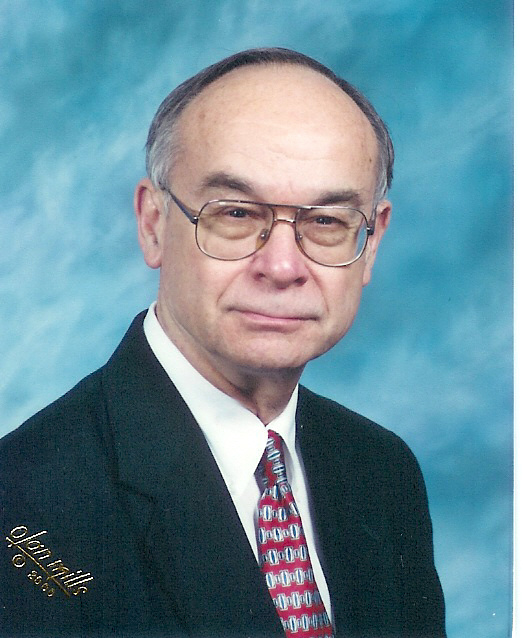 Guest bloggers Beth and Joe Meyer reported on a question raised by Treatment Advocacy Center board member Dr. Fred Frese and an invitation issued by Whitaker. Guest bloggers Beth and Joe Meyer reported on a question raised by Treatment Advocacy Center board member Dr. Fred Frese and an invitation issued by Whitaker.
“During a question and answer session, Dr. Fred Frese firmly commented that 7 of 10 respected professionals with schizophrenia still take anti-psychotic medications for their illnesses. Others in the audience pointed out that although Robert Whitaker’s presentation was moderate and left room for common ground, his blog is a home to virulently anti-psychiatry people whose views are irreconcilable with NAMI’s mission. Robert Whitaker responded that he intended the blog site to be a place where those who felt harmed by psychiatry could be heard, but that he also wanted it to be balanced by psychiatrists and psychologists with more traditional points of view.”
Guest blogger Diane Kratt reported on another audience question about the relationship between the reliance on antipsychotic medications and the lack of hospitalization options.
We’ll be posting video clips from our presentation in coming weeks. Meanwhile, here’s the report from Earley’s guest writers.
To comment, visit our Facebook page.
Visit our blog archive to read all our recent posts.
“Why Can’t Someone Do Something to Help the Mentally Ill?” – personally speaking
(June 28, 2013) Two family members have submitted their personal stories to the IMHRO essay contest on improving mental health science or policy.
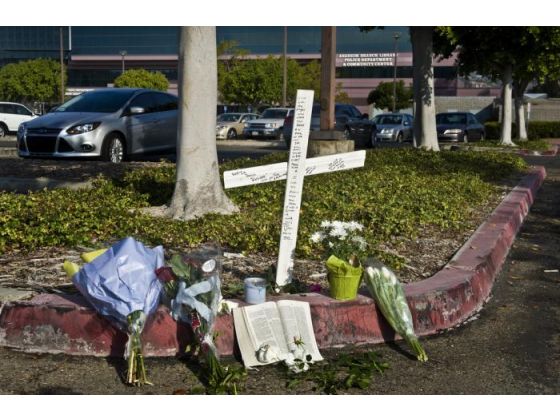 Both family members call for better treatment options. Both family members call for better treatment options.
In one, Theresa Flerx describes how - untreated and suffering from mental illness - her brother Dan tore the family apart. She writes, “If there was a court-ordered outpatient treatment program in my area, Dan would still be living in his cabin...and my parents would be on their farm.” Instead, after murdering her father during a psychotic episode, Dan is in a mental health facility, and her mother lives alone.
In a second, an anonymous family member writes about her family’s struggle with their adult daughter. She says the only option to get the daughter into treatment is to call the police and have her placed in handcuffs in the back of a police car. “It is unthinkable that a parent should ever be put in the position of having to watch their child suffer with no reasonable opportunity for help," she writes.
The public is invited to cast votes in the IMHRO essay contest.
Read the entire essay by Theresa Flerx.
To read the anonymous essay, click here.
You may cast your vote here until July 17, 2013.
To read all the essays, click here.
The author of the winning essay will receive two complimentary tickets to IMHRO's Music Festival for Mental Health, to attend the scientific symposium, reception, Allen Stone concert and dinner. The winning essay will be featured at the scientific symposium portion of the event.
To comment, visit our Facebook page.
Visit our blog archive to read all our recent posts.
RESEARCH: Mental Illness Behind Bars – and Under the Rug
(June 27, 2013) We all know the criminal justice system is bursting with individuals who have severe mental illness.
 We didn’t know the role of their mental illness was being minimized. We didn’t know the role of their mental illness was being minimized.
According to a new report in The Journal of the American Academy of Psychiatry and the Law, researchers have begun de-emphasizing the link between mental illness and the risk for criminal behavior in favor of factors such as antisocial attitudes and a lack of problem-solving and self-control skills.
While such characteristics “may be present and contribute to criminal behavior,” it is the lack of “adequate treatment, structure, social control, and, when necessary, 24-hour care in the mental health system” that results in the behaviors that typically land individuals with severe mental illness behind bars (“Some perspectives on criminalization ,” 2013).
Authors H. Richard Lamb and Linda E. Weinberger estimate that slightly fewer than 378,000 people with serious mental illness are in jails and state and federal prisons. The growing “underemphasis” of the role lack of treatment plays in their incarceration diverts attention and resources from getting them the care they need to avoid criminal behavior and thus “greatly impedes” the efforts to reverse criminalization.
“The importance of psychiatric treatment must not be underestimated,” they warn. The mental health system “needs to be given more funding and to take more responsibility for these challenging individuals.”
The authors conclude with a question: “Is that not our mission: to help those persons with mental illness, especially those who are at most need, in a humane, therapeutic, and dignified manner?”
With their actions, too many mental health systems say, “No.” There’s little chance of that changing to “Yes!” if the link between illness and criminal behavior is swept under the rug.
(Dr. Lamb is a member of the Treatment Advocacy Center board of directors.)
To comment, visit our Facebook page.
Visit our blog archive to read all our recent posts.
Laura’s Law Gains Momentum in California
(June 26, 2013) Laura’s Law, California’s assisted outpatient treatment (AOT) law, will be implemented in Yolo County after its Board of Supervisors earlier this week unanimously approved the launch of a one-year pilot program for qualifying people with severe mental illness (“Supervisors OK Laura’s Law pilot program,” the Davis Enterprise, June 26).
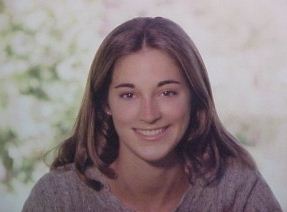 The court-ordered outpatient treatment law enacted in 2002 only operates in counties where the county board of supervisors, by resolution, authorizes its use. Until Monday morning, only two California counties – Nevada and Los Angeles – had done so. The court-ordered outpatient treatment law enacted in 2002 only operates in counties where the county board of supervisors, by resolution, authorizes its use. Until Monday morning, only two California counties – Nevada and Los Angeles – had done so.
“Without assisted outpatient treatment...these individuals are simply part of a revolving door system, where they decompensate to the point where they are hospitalized or jailed, then are released, stop taking any medication they were on, and decompensate again,” Nevada County’s program director, Carol Stanchfield told the Yolo County supervisors.
The pilot program in Los Angeles County has already produced impressive outcomes, including a 78% reduction in incarceration and a 77% reduction in hospitalization among participants. The law also cut LA County taxpayer costs by 40%. Meanwhile, Nevada County estimates it saves taxpayers $1.82 for every $1 it spends on its program.
For individuals too ill to seek treatment themselves, mandatory community treatment is an essential boost onto the road to recovery. We can only hope the remaining 55 counties in California - and all the counties around the country that are under-using their state AOT laws - will follow Yolo’s example and implement this treatment option for the benefit of their most vulnerable citizens and their communities.
To comment, visit our Facebook page.
Visit our blog archive to read all our recent posts.
"Today, I Thank You" – personally speaking
(June 25, 2013) Last Friday was the 13th "anniversary," if you will, of the day that changed my life forever. My son Eric, instead of getting the help he needed for his severe mental illness, ended up in one of our country's "new" mental health facilities--jail. Sadly, a police officer's death sent him there.
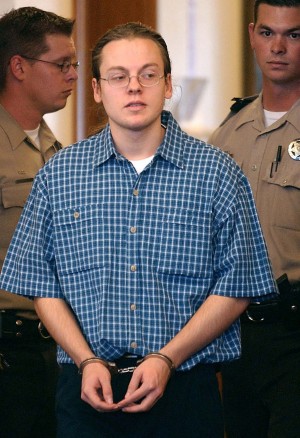 As time has gone on, the pain in my heart has diminished but will never truly go away. I am sad for him. I am sad for the officer's family. I am sad for this country. The tears I have shed are futile. They land on “metal” surfaces and roll off. The powers that be don't understand. Nothing sinks in. I will never have my Eric back, and the system goes unchanged. As time has gone on, the pain in my heart has diminished but will never truly go away. I am sad for him. I am sad for the officer's family. I am sad for this country. The tears I have shed are futile. They land on “metal” surfaces and roll off. The powers that be don't understand. Nothing sinks in. I will never have my Eric back, and the system goes unchanged.
What keeps me going is the love and support I have received, especially from you, my friend and ally. This journey has made me stronger in so many ways. I have never felt alone because of you. I do not let it define me, but it has made me a new person inside and out--I always hope for the better, but there are days I wonder!
So today--and truly every day--I thank you for all you have given to me to make my journey worthwhile. I pray daily for all those afflicted with severe mental illness, their families and those they may come into contact with that they may treat them humanely. May God bless you today and always.
Love,
Terry
Terry Clark’s son Eric was 17 years old when he shot and killed police officer Jeffrey Moritz on June 21, 2000, while under the delusion he was protecting Arizona from invading space aliens. Terry was a tireless advocate for mental health reform even before the tragedy. The Treatment Advocacy Center filed an amicus brief when her son’s case was appealed to the US Supreme Court. You can read Terry's story in our Spring 2012 issue of Catalyst (page 6). She sent this message to Treatment Advocacy Center staff.
To comment, visit our Facebook page.
Visit our blog archive to read all our recent posts.
The Doctor Won’t See You Now
(June 21, 2013) Even psychiatrists and psychiatric nurses are biased against individuals with schizophrenia who are seeking general medical care, according to a new study.
 The study found that people with severe psychiatric diseases often receive poor care for their physical health problems even though they are at high risk for chronic medical conditions (“Bias against schizophrenia patients seeking medical care,” Psychiatric Times, June 13). The study found that people with severe psychiatric diseases often receive poor care for their physical health problems even though they are at high risk for chronic medical conditions (“Bias against schizophrenia patients seeking medical care,” Psychiatric Times, June 13).
To investigate possible bias, the researchers presented two hypothetical vignettes to primary care physicians and nurses and to psychiatrists and psychiatric nurses. In one, the patient had stable schizophrenia and was taking risperidone. In the other, the patient did not have the disorder and did not take risperidone.
They found that all providers expected patients with schizophrenia to be less likely to adhere to medications for chronic medical conditions or to participate in prescribed weight management programs. The providers also expected these patients to have lower social functioning and be less competent to make treatment decisions.
The biases and misperceptions were found across the board – in both nurses and doctors, mental health and primary care physicians.
When we ponder how to prevent people with severe mental illnesses from dying approximately 25 years younger than people without them, eliminating biases against providing medical care to this population would be a good place to start.
To comment, visit our Facebook page.
Visit our blog archive to read all our recent posts.
Psychiatric Crisis? Now There's an App for That
(June 20, 2013) Suicide takes the lives of 40,000 people with severe mental illness every year, making it the most common form of violence associated with diseases like schizophrenia and bipolar disorder.
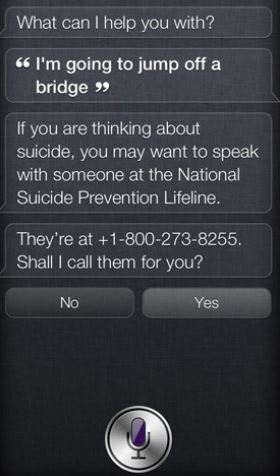 Now Apple has an app for that. Now Apple has an app for that.
Just weeks after we released our psychiatric crisis resources application for smartphones, Apple announced that the iPhone virtual assistant known as Siri will now provide suicide intervention information to users (“Siri is taking a new approach to suicide”, June 19).
We tried the app out. Siri first gave us suicide hotline numbers and offered to call one for us. When we said “No” to calling, she supplied us with the names of nearby suicide centers.
Our mobile app doesn’t talk, but it delivers critical information for dealing with psych crises, including tips for handling a suicide danger, each state’s standards for emergency hospitalization and who can petition for emergency treatment by state.
Everyone living with severe mental illness needs an occasional lifeline. These apps provide two of them.
To download our psych crisis app, open this link on your smartphone.
To comment, visit our Facebook page.
Visit our blog archive to read all our recent posts.
Paul Flannery Is Just One of Hundreds of Thousands
(June 18, 2013) Paul Flannery and his family suffered as he “ran out of food in his refrigerator, yelled at people in the street, declined into destitution and required various repeated interventions.”
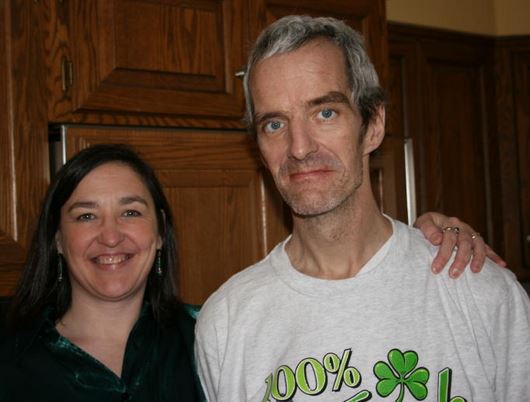 This is the story Harold Pollack tells in his piece about the devastating effect of deinstitutionalization on people with severe mental illness, a policy the author characterizes as “a well-intentioned initiative that didn’t work out as planned” (“What happened to US mental health care after deinstitutionalization,” Washington Post, June 12). This is the story Harold Pollack tells in his piece about the devastating effect of deinstitutionalization on people with severe mental illness, a policy the author characterizes as “a well-intentioned initiative that didn’t work out as planned” (“What happened to US mental health care after deinstitutionalization,” Washington Post, June 12).
“(T)he predicament of the mentally ill in particular was worsened by one awkward reality: the economic case for deinstitutionalization — highly appealing to both fiscal conservatives and civil libertarians — turned out to be almost entirely wrong,” Pollack writes. “This economic argument proved actively destructive, since it positioned the goal posts to justify humane policies on the false hope that they would save money rather than on the basis of their ability to improve people’s lives. “
Flannery illustrates how they didn’t. Originally hospitalized for schizophrenia, he was moved into community care by the policies set in place by the Community Mental Health Act of 1963. Once in a community setting, he received little supervision and professional help.
Described by Dr. E. Fuller Torrey as “one of the greatest social disasters of recent American history,” deinstitutionalization has left countless people who need inpatient care to deteriorate in the community as Flannery did or to end up in jail or on the streets.
Pollack’s examination of the “downward trajectories” the social policy set off is not to be missed.
To comment, visit our Facebook page.
Visit our blog archive to read all our recent posts.
RESEARCH: Outpatient Treatment Saves Money
(June 17, 2013) Outpatient treatment of mental illness reduces arrest rates and saves money was the conclusion of a study from researchers at North Carolina State University (“Treatment of Mental Illness Lowers Arrest Rates, Saves Money,” June 10).
 The researchers studied 4,056 patients who had been hospitalized for severe mental illness during a seven-year period. The research team found that patients who received outpatient services after discharge were less likely to be arrested and cost the government $68,000 for treatment and services, whereas patients who did not receive outpatient services were more likely to be arrested and cost the government $95,000. The researchers studied 4,056 patients who had been hospitalized for severe mental illness during a seven-year period. The research team found that patients who received outpatient services after discharge were less likely to be arrested and cost the government $68,000 for treatment and services, whereas patients who did not receive outpatient services were more likely to be arrested and cost the government $95,000.
“This study shows that providing mental health care is not only in the best interest of people with mental illness, but in the best interests of society,” said Dr. Sarah Desmarais, co-author of the paper and assistant professor of psychology at the university. “Our research shows that people receiving medication were significantly less likely to be arrested.”
At the Treatment Advocacy Center we have always said that treatment works to save lives and money. For those too ill to seek treatment themselves, court-ordered outpatient treatment is a bridge to recovery. Assisted outpatient treatment (AOT) laws have been passed in 45 states. These states need to use their AOT laws so that people who aren’t well enough to choose treatment experience the same benefits as people who are able to choose it for themselves.
To comment, visit our Facebook page.
Visit our blog archive to read all our recent posts.
|
|