New Report: "Emptying the 'New Asylums': A Beds Capacity Model to Reduce Mental Illness Behind Bars"
 A new report released today by the Treatment Advocacy Center shows how relatively small changes in common policy and practice could dramatically reduce pre-trial psychiatric bed waits and the mass incarceration of individuals with serious mental illness. A new report released today by the Treatment Advocacy Center shows how relatively small changes in common policy and practice could dramatically reduce pre-trial psychiatric bed waits and the mass incarceration of individuals with serious mental illness.
Read more »
Mental Health Collaborative Connects Mentally Ill with Services
 For individuals and family members affected by serious mental illness, consistent mental health treatment is crucial. One Indian River program in Florida is paving the way, connecting people with SMI with the ongoing care necessary to recover and lead productive lives. For individuals and family members affected by serious mental illness, consistent mental health treatment is crucial. One Indian River program in Florida is paving the way, connecting people with SMI with the ongoing care necessary to recover and lead productive lives.
Read more »
RESEARCH WEEKLY: Psychiatric Beds Spending Linked to Jail Population Reductions
 Increasing per capita spending for public psychiatric beds could reduce jail populations in at least 35 states and the District of Columbia, according to a study by two Oregon State University researchers. Increasing per capita spending for public psychiatric beds could reduce jail populations in at least 35 states and the District of Columbia, according to a study by two Oregon State University researchers.
Read more »
Jamycheal Mitchell’s Family Supports Mental Health Reform Bills in Virginia
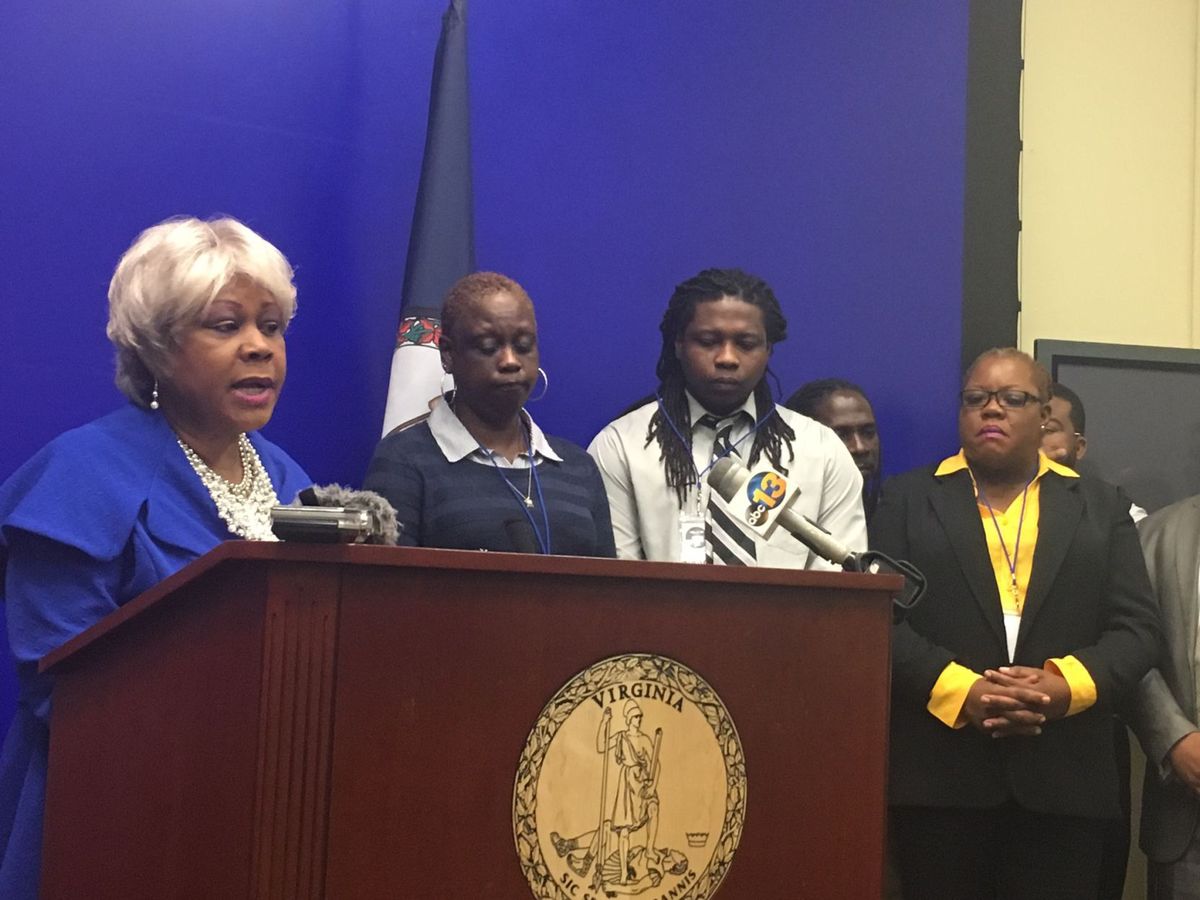 In August 2015, a 24-year-old young man suffering from severe mental illness starved to death in a Virginia jail cell while waiting four, long months for a psychiatric bed to become available. Now, the family of Jamycheal Mitchell are pushing for reforms of Virginia’s mental health and criminal justice systems to protect others with mental illness from a similar fate. In August 2015, a 24-year-old young man suffering from severe mental illness starved to death in a Virginia jail cell while waiting four, long months for a psychiatric bed to become available. Now, the family of Jamycheal Mitchell are pushing for reforms of Virginia’s mental health and criminal justice systems to protect others with mental illness from a similar fate.
Read more »
First DC Homicide Victim of 2017 Fell Prey to Untreated Mental Illness
 Kent Lewis tried many times to get his 57-year-old brother, Richard, to resume taking medications to treat his schizophrenia and to sleep somewhere safe at night. But there was no convincing him. Tragically, Richard was viciously attacked by an unknown assailant on the streets of Washington, DC last October and died of injuries sustained early this month, making him the first DC homicide victim in 2017. Kent Lewis tried many times to get his 57-year-old brother, Richard, to resume taking medications to treat his schizophrenia and to sleep somewhere safe at night. But there was no convincing him. Tragically, Richard was viciously attacked by an unknown assailant on the streets of Washington, DC last October and died of injuries sustained early this month, making him the first DC homicide victim in 2017.
Read more »
Treatment Advocacy Center Unveils New AOT Toolkit in Ohio
 Mental health experts gathered in Columbus last week for Ohio’s 2017 Behavioral Health Conference, and the Treatment Advocacy Center was in attendance. Policy Director Brian Stettin and Legislative and Policy Advisor Betsy Johnson led a workshop on implementing assisted outpatient treatment (AOT) and unveiled a new toolkit that will serve as an invaluable resource to judges, sheriffs, mental health professionals and advocates across the state. Mental health experts gathered in Columbus last week for Ohio’s 2017 Behavioral Health Conference, and the Treatment Advocacy Center was in attendance. Policy Director Brian Stettin and Legislative and Policy Advisor Betsy Johnson led a workshop on implementing assisted outpatient treatment (AOT) and unveiled a new toolkit that will serve as an invaluable resource to judges, sheriffs, mental health professionals and advocates across the state.
Read more »
RESEARCH WEEKLY: Our Research Recommendations for SAMHSA
 The mission of the nation’s Substance Abuse and Mental Health Services Administration (SAMHSA) is to reduce the impact of substance abuse and mental illness on America's communities. Especially with regard to serious mental illness (SMI), the agency has been under intense fire from Congress, the General Accountability Office and others for failing to fulfill the mission.
Read more »
A ‘Sacrificial Lamb' for Oklahoma’s Failing Mental Health System
 Adacia Chambers faced charges for the 2015 OSU parade crash which killed 4 people and injured dozens more when she was sentenced to life in prison as part of a plea deal this week. But some question whether justice was really served in this case, or in any case for that matter, when the defendant suffers from a severe mental illness which may prevent them from distinguishing right from wrong. Adacia Chambers faced charges for the 2015 OSU parade crash which killed 4 people and injured dozens more when she was sentenced to life in prison as part of a plea deal this week. But some question whether justice was really served in this case, or in any case for that matter, when the defendant suffers from a severe mental illness which may prevent them from distinguishing right from wrong.
Read more »
Our Family’s HIPAA Nightmare — personally speaking

My son, J, had his first psychotic break in 2012 while attending college in Europe," writes a Texas mother. "J was hospitalized for severe bipolar disorder and recovered enough to return to school, but after graduation he suffered another setback when he was diagnosed with HIV. Then, J turned 26, which meant that he had to get his own health insurance. That’s when our HIPAA nightmare began."
Read more »
RESEARCH WEEKLY: Schizophrenia on YouTube
 The general public, medical students included, formulates concepts and opinions about psychiatric diseases based in part on what they see on the world's third most-popular Internet site: YouTube. The trouble with these schizophrenia representations, according to a new study, is that most of the YouTube depictions are wrong, and they create a distorted picture of the condition that likely contributes to patient stigmatization by physicians. The general public, medical students included, formulates concepts and opinions about psychiatric diseases based in part on what they see on the world's third most-popular Internet site: YouTube. The trouble with these schizophrenia representations, according to a new study, is that most of the YouTube depictions are wrong, and they create a distorted picture of the condition that likely contributes to patient stigmatization by physicians.
Read more »
|
|