Statement by John Snook on Secretary Clinton’s Comprehensive Mental Health Plan
Today the Treatment Advocacy Center released the following statement on Secretary Clinton's Comprehensive Mental Health Plan.
Highlighting the crisis that faces our national mental health system, Democratic presidential candidate Hillary Clinton announced her mental health policy platform yesterday.

"We welcome the focus that Secretary Clinton brings to the failures of our mental health system," said John Snook, executive director of the Treatment Advocacy Center. "As the work of Congress and now Clinton make clear, our mental health system is lacking - especially for the most seriously ill. There are simply too many Americans suffering and dying unnecessarily. Families deserve to know that this important discussion will continue throughout this election season."
Clinton's agenda points out that 40 percent of those with severe mental illness go untreated, resulting in devastating consequences for those with a mental illness, their families and our entire nation. "We applaud Secretary Clinton's focus on preventing the dire outcomes of untreated serious mental illness and her recognition that care must happen before someone is in crisis" Snook continued, "Suicide, homelessness and victimization are all too common consequences of our current system's failures. Clinton's agenda would serve as a powerful addition to the mental health reform currently being considered in Congress."
Clinton's agenda also devotes significant attention to the decriminalization of mental illness, highlighting the Treatment Advocacy Center's work showing that there are more individuals with a mental illness in county jails today than in our state and local psychiatric hospitals. "Decriminalizing mental illness has long been a priority for the Treatment Advocacy Center," Snook said. "Secretary Clinton wisely recognizes that jails and prisons are the worst possible places to treat mental illness and that our mental health system's failures have placed law enforcement in the terrible position of serving as our front-line mental health response."
Among the plan's other highlights:
- A focus on early intervention efforts, long supported by the Treatment Advocacy Center.
- A pledge to enforce the Mental Health Parity and Addiction Equity Act of 2008, which requires insurers to offer coverage for psychiatric illnesses on par with other illnesses.
- The creation of a national initiative to address suicide prevention. The Treatment Advocacy Center family knows too well that suicide is an all-too-common outcome that must receive greater attention.
- A White House Conference on Mental Health within her first year of office to focus greater attention on mental health issues, promote successful interventions, and identify barriers and solutions. We expect this program will build on the new work by SAMHSA, DOJ and others to explore successful solutions such as assisted outpatient treatment (AOT) and new strategies to address the needs of high-utilizers.
"We cannot commend Secretary Clinton enough for continuing to raise the visibility of the need for national mental health reform," continued Snook. "Such a focus would have been unimaginable even a few years ago. This agenda gives families additional confirmation that they no longer need to suffer in the shadows."
Spotlight Team: Massachusetts’ Mental Health System Is “Lost or Nonexistent”
 (Aug. 29, 2016) In Massachusetts’ mental health system, accountability for care of the most severely ill is often “lost or nonexistent,” according to the Boston Globe’s Spotlight Team. As a result, those with a severe mental illness “bounce from hospital to hospital, caregiver to caregiver, until, with some frequency, something awful happens.” The Spotlight Team details a host of failures, including the refusal to enact assisted outpatient treatment, the closing of psychiatric hospitals and the slashing of spending on inpatient mental health care by more than half — or nearly $161 million — from 1994 to 2013, resulting in a mental health system unable to address the needs of the most severely ill. Even more damning, it is clear this problem is neither new nor unexpected. By 2009, state panels were noting an alarming pattern of people with severe mental illness returning to psychiatric hospitals soon after leaving, calling it, “a clear warning sign that the public mental health system is in trouble.” Such failures are especially troubling when considering the care of the small portion of individuals with mental illness prone to violence. In reviewing a host of such cases marked by systemic failure, the Globe asked the question all too many families have raised, “If the care system can’t meet the needs of someone in such extreme and obvious straits, who is it there for?” The consequences of the system’s inability, unfortunately, have been tragic. From 2005 through 2015, more than 10 percent of Massachusetts homicides with known suspects were committed by people with a history of mental illness or who had clear symptoms, according to a Spotlight Team analysis. And in the four years between the release of yet another mental health task force report highlighting the system’s inability to meet the needs of people with severe mental illness and the end of 2015, 51 people were killed by assailants with a diagnosed mental illness or strong indications of it and 32 people with signs of mental illness were shot by police, 17 of them fatally. These tragedies will continue until Massachusetts begins to finally take severe mental illness seriously by devoting adequate resources to care, implementing an assisted outpatient treatment program and ensuring that psychiatric beds are available to those in need. Those with a mental illness, their families and all of the Massachusetts deserves more than their current system. They don’t need any further studies to show them that.
Presidential Candidates Address Mental Health Reform
(August 26, 2016) The presidential candidates are finally getting serious about mental health as the country moves into the last months before Election Day.

Both candidates answered 10 questions sent last month by the International Association of Chiefs of Police (IACP), representing 27,000 police chiefs and law enforcement professionals in 50 states. Two of the questions were specifically on mental health reform (“Trump, in answer to police chiefs, says there is no noticeable partnership between feds and local police,” the Washington Post, August 24).
Addressing one of the questions, Democratic presidential candidate Hilary Clinton wrote, “Our failure as a nation to invest in mental health care has turned our criminal justice system into the first, and often primary, source of care for too many Americans who need treatment.”
“Over half of prison and jail inmates today have a mental health issue,” Clinton continued. “Many of these individuals are first-time or nonviolent offenders, and it is likely that many of them would never have had contact with the criminal justice system had they received adequate treatment. This issue is critical for those with mental health issues and their families.”
Said Republican presidential candidate Donald Trump, “We will also be addressing mental health reform as part of the revisions we will be advancing in health care reform. Mental health reform will greatly assist in reducing the number of individuals who should be receiving treatment who end up incarcerated.
We must all be aggressive in educating ourselves on the candidates’ positions. Mental illness is a nonpartisan issue that impacts Republicans and Democrats alike. Keep your eyes open for the Treatment Advocacy Center’s 2016 presidential priorities.
To comment, visit our Facebook page.
Visit our blog archive to read all our recent posts.
Incarceration Replaces Hospitalization in California
(Aug. 24, 2016) Law enforcement and corrections staff working in California county jails are overwhelmed by an influx of inmates placed behind bars for petty crimes attributable to untreated mental illness rather than in an appropriate mental health facility equipped to provide proper treatment (“Report: Prisons and jails fast replacing hospitals as treatment centers for mentally ill,” CA Fwd, Aug. 23).
 “As the hospitals and the secure treatment environments have diminished over time, the secure treatment environments have become the prisons and jails across America,” said Terri McDonald, retired jail administrator who's worked in Los Angeles County and the California Department of Corrections and Rehabilitation. “As the hospitals and the secure treatment environments have diminished over time, the secure treatment environments have become the prisons and jails across America,” said Terri McDonald, retired jail administrator who's worked in Los Angeles County and the California Department of Corrections and Rehabilitation.
But many question the morality of incarcerating individuals suffering with serious mental illness, arguing that this amounts to punishing them for their illness.
"When the patients would have a bad day or a difficult day or would act out in a hospital, it didn’t lead to criminal convictions, prosecutions or wrong incarceration," added McDonald. "It was understood that their behavior was based on their mental health disorder and their mental health needs.”
Those with mental illness who commit petty crimes are increasingly being locked behind bars, as jails and prisons have become de facto mental health facilities in California and across the country.
Mentally ill offenders have double the bookings than the general jail population and are in jail more than 2.5 times longer, according to the Jail Utilization Study (JUS) conducted by CA Fwd’s Justice System Change Initiative (J-SCI). Additionally, the mentally ill were found to be booked mostly for warrants and holds, not new crimes.
Punishing rather than treating these mentally ill offenders is unfair not only to them but also to the jail staff unequipped for and overwhelmed by their presence.
“Deputy Sheriffs, correctional officers are not mental health workers,” said McDonald. “So first and foremost, the type of people we’re asking to supervise and manage mentally ill inmates/patients is the wrong classification of people to do that. We should begin to teach society that mental illness is not something that we should be afraid of. It’s something to be treated and…the solution is not to bring them to jail.”
The incarceration rate for those with serious mental illnesses has reached a critical stage because many of these individuals are predisposed by their illnesses to committing minor crimes, landing in jails and racking up prolonged incarceration time awaiting a state psychiatric bed. Many of them receive no or inadequate mental health treatment during their incarceration, which worsens their conditions.
We can and must do better than this.
Read the 2016 Treatment Advocacy Center and Public Citizen report, “Individual’s with Serious Mental Illness in County Jails: A Survey of Jail Staff’s Perspectives,” to learn more.
To comment, visit our Facebook page.
Visit our blog archive to read all our recent posts.
RESEARCH WEEKLY: The Perilous Shortage of Psychiatrists
(Aug. 23, 2016) Serious mental illness (SMI) is associated with a multitude of consequences that can shorten and reduce the quality of life for those who have it. Arrest, incarceration, homelessness, victimization, violence including suicide, and a host of similarly catastrophic impacts fall disproportionately on the barely 3% of the population with schizophrenia and severe bipolar disorder.
 In any given year, fewer than half the estimated 8.1 million of people with these psychiatric disorders in the United States receive treatment. Count among the many barriers to their treatment an acute and worsening shortage of psychiatrists, as a new report in Health Affairs details. In any given year, fewer than half the estimated 8.1 million of people with these psychiatric disorders in the United States receive treatment. Count among the many barriers to their treatment an acute and worsening shortage of psychiatrists, as a new report in Health Affairs details.
The federal government identifies Health Professional Shortage Areas (HPSAs) based on the ratio of physicians to residents in specific geographic areas. Mental health HPSAs are based on the ratio of psychiatrists to residents. There are approximately 4,000 of these HPSAs in the country. The federal Health Resources and Services Administration estimates only half of them have enough psychiatrists to meet demand.
Three Questions of Supply
The title of the paper spells out the result: "Population of US practicing psychiatrists declined, 2003-13, which may help explain poor access to mental health care." In the study, Tara F. Bishop and colleagues take on three questions:
- Did the supply of psychiatrists change from 2003 to 2013 and, if so, how much compared with other specialties?
- What regions of the country have the largest and smallest supplies of psychiatrists, per capita?
- What population characteristics are associated with psychiatrist supply?
The research team found that the average number of psychiatrists per 100,000 residents dropped by 9% during the 10-year period, after adjusting for population growth. By comparison, the average number of neurologists increased by 20% and the average number of primary care physicians - also considered a low-supply specialty - increased by nearly 2%. The population-adjusted number of total physicians in the United States grew by 4%, while the number of psychiatrists dropped 0.2%. The reduction "likely limits patients' access" to psychiatric services," the authors said.
Shortages were not geographically distributed. New England enjoyed the highest concentration of psychiatrists at 24.5 per 100,000 residents, while the Pacific region was served by barely half that many: 13.3 per 100,000 people. Of all physician specialties analyzed, psychiatrists were the most unequally distributed by region. Their distribution was influenced by regional education and income with greater psychiatrist supplies in areas with more high school graduates and higher household income. Areas of low population density also may be at "high risk" of shortages, they said.
Implications of Shortages
"The concern is that if this trend continues, access will worsen over time," the authors conclude. Other mental health professionals - psychologists, psychiatric nurses, social workers and others - are believed to make up 95% of the mental health workforce and also serve psychiatric patients, they said, "However, psychiatrists - because of their medical training and ability to prescribe medications - provide different care than these other providers do."
Among the implications of psychiatrist shortages noted by the authors:
- The supply of psychiatrists "likely limits" access to services by people with serious mental illness and threatens mental health parity as required by the Mental Health Parity and Addiction Equity Act of 2008. It is likely to grow worse unless addressed.
- Policymakers, payers and the community need to develop strategies to recruit and retain psychiatry specialists. Among these is addressing compensation for psychiatrists, among the lowest-paid specialties.
- Because of how much time it would require for such strategies to begin filling the gap, alternative treatment models need to be explored for providing psychiatric care. These include coordinated care practices, in which psychiatrists serve as consultants to primary care physicians or other mental health professionals, and new technologies such as telemedicine, mobile health and computer-based interventions.

Doris A. Fuller
Chief of Research and Public Affairs
References:
Next Week: Clozapine by the Numbers
Research Weekly is a summary published as a public service of the Treatment Advocacy Center and does not necessarily reflect the findings or positions of the organization or its staff. Full access to research summarized may require a fee or paid subscription to the publications.
To comment, visit our Facebook page.
Visit our blog archive to read all our recent posts.
Connecticut’s Mentally Ill Left Waiting for #aBedInstead
(Aug. 22, 2016) In some areas of Connecticut, patients wait an average of 100 days before an inpatient psychiatric bed becomes available, up from 30 to 40 days just five years ago, hospital executives say.
 A shortage of psychiatric beds is straining Connecticut’s mental health system and leaving the state’s most severely mentally ill stuck in limbo (“Connecticut’s mental-health system is being strained by shortage of state psychiatric beds,” the Wall Street Journal, Aug. 18). A shortage of psychiatric beds is straining Connecticut’s mental health system and leaving the state’s most severely mentally ill stuck in limbo (“Connecticut’s mental-health system is being strained by shortage of state psychiatric beds,” the Wall Street Journal, Aug. 18).
Waiting “makes everything worse,” said 28-year-old Tassiana Coppinger. “You are stuck in your own thoughts. You aren’t talking with anybody. You’re not socializing with anybody.”
Coppinger, who suffers from mental illness, went to the ER last April and waited four days before an inpatient psychiatric bed opened up. But many are not so lucky.
Five years ago, patients in the Hartford HealthCare’s Behavioral Health Network waited on average about 10 to 12 days for a state bed, said Jim O’Dea, vice president of operations for the network. Now, wait times have skyrocketed up to 30 to 60 days.
The wait times, for state beds and subsequently for private hospitals, “can really be destabilizing for somebody in a vulnerable place,” O’Dea said.
Dr. Charles Herrick, chairman of psychiatry for Danbury and New Milford Hospitals, and other hospital executives point out that when people with mental illness are stuck in a private hospital waiting for specialized care in the state psychiatric system, other patients often must wait to receive less specialized inpatient care from the private hospitals. That backlog strands some patients in emergency rooms as they wait to get an inpatient bed.
The backup of patients in emergency rooms is symptomatic of a mental health system disproportionate to the patient population it must serve.
With only 17.1 state beds per 100,000 population, Connecticut does not maintain enough state beds to provide minimally adequate treatment for residents with mental illness.
Connecticut residents suffering with severe mental illness need a safe, appropriate environment where they can receive comprehensive mental health treatment and stabilize. The best place for this is in an inpatient psychiatric hospital.
Imagine if people suffering from conditions such as heart attacks or cancer had to wait days or weeks in emergency departments before being admitted to the appropriate medical units. This scenario would undoubtedly ignite public outrage, and so should one in which people suffering from acute psychiatric illness are left stranded in an environment ill-equipped to provide them with the mental health treatment that they so desperately need.
Visit #aBedInstead to learn more about the Treatment Advocacy Center’s campaign to address our national psychiatric bed shortage.
To comment, visit our Facebook page.
Visit our blog archive to read all our recent posts.
“Let’s Bring Mental Health Care Out of the Dark Ages” – personally speaking
(Aug. 18, 2016) I am a psychologist and have been a Maryland state employee for the last five years. I have devoted nearly half of my life to studying severe mental illness and am committed to providing the best possible care to citizens of this state. However, efforts to provide quality mental health care in a safe environment are constantly strained by a lack of resources.
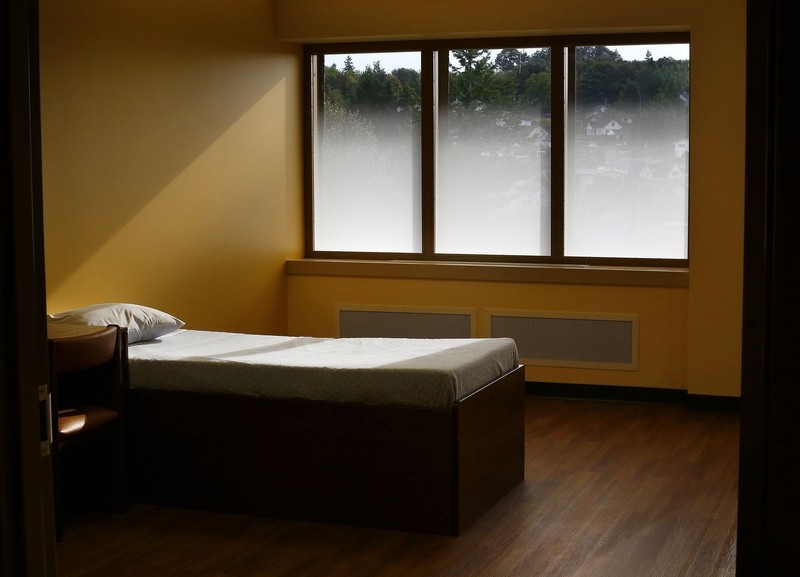 There has been a trend here in Maryland, and across the nation, to decrease the number of psychiatric beds available in state hospitals. For the last hand full of years, hospital censuses have been maxed out. Yet the wait list to get into state psychiatric hospitals has continued to grow. Individuals with mental illnesses can no longer get into inpatient psychiatric facilities for intensive services unless they have committed a crime and are court ordered to such facilities. There has been a trend here in Maryland, and across the nation, to decrease the number of psychiatric beds available in state hospitals. For the last hand full of years, hospital censuses have been maxed out. Yet the wait list to get into state psychiatric hospitals has continued to grow. Individuals with mental illnesses can no longer get into inpatient psychiatric facilities for intensive services unless they have committed a crime and are court ordered to such facilities.
As a result, individuals with mental illness are being incarcerated at alarming rates. There are now ten times as many people with mental illness in jails and prisons than there are in psychiatric hospitals. These individuals languish behind bars without access to the psychiatric treatment they desperately need.
We currently have just 950 psychiatric beds in Maryland, and this number has been on a steady decline. Across the nation, there are just 11.7 available psychiatric beds for every 100,000 people with mental illness. That is the same ratio of psychiatric beds that were available to individuals with mental illness when Dorothea Dix championed mental health care reform in 1850. As a state, as a nation, we have regressed.
Increasing the number of psychiatric beds in state hospitals is not the same as promoting warehousing of people with mental illness. It's providing mental health services to individuals with mental illness in the appropriate setting. It's giving them a place to get treatment rather than waiting for them to commit a petty crime, or more tragically, commit a dangerous crime that results in incarceration and involvement in the legal system as a first step to gaining access to an inpatient hospital setting. Perhaps it is best summed up with a phrase coined by the Treatment Advocacy Center, #ABedInstead.
I ask that our current administration recognize these problems and be part of the solution. Let’s keep people with mental illnesses out of our jails. Let’s give citizens of Maryland improved access to comprehensive psychiatric treatment. Let’s bring mental health care out of the dark ages and into the 21st century.
DR. HEATHER ADAMS
MARYLAND
To comment, visit our Facebook page.
Visit our blog archive to read all our recent posts.
Police and Corrections Officials 'Front Line on Mental Health' in Alabama
(Aug. 17, 2016) AL.com examines Alabama’s mental health crisis in “Front Line on Mental Health”— a months-long investigation revealing how cuts in mental health funding have resulted in devastating consequences for people with mental illness in the state and left law enforcement and corrections staff scrambling to pick up the pieces of a broken mental health system.
 Grappling with a severely limited number of public psychiatric beds, the Mobile County Sheriff’s Department is considering expanding its jail to better accommodate inmates with mental illness (“As Alabama shuts down psychiatric hospitals, one jail is expanding to house mentally ill,” AL.com, Aug. 15). Grappling with a severely limited number of public psychiatric beds, the Mobile County Sheriff’s Department is considering expanding its jail to better accommodate inmates with mental illness (“As Alabama shuts down psychiatric hospitals, one jail is expanding to house mentally ill,” AL.com, Aug. 15).
Sheriff Sam Cochran and Warden Trey Oliver say the increasing number of inmates with mental health issues are creating extra expenses and safety concerns.
The jail had 768 inmates with mental illness in 2010, a figure that "almost doubled" to 1,278 in 2013, Oliver said. The increase is no doubt correlated with the closing of Searcy Hospital — the closest mental health hospital to Mobile — amid state budget cuts in 2012.
Now, there is only one remaining state psychiatric hospital that provides long-term care for the mentally ill.
The state has instead shifted its focus onto community-based programs, but sheriffs throughout Alabama have contended that community-based care is an inadequate replacement for inpatient psychiatric treatment, and the burden for mental health care too often falls to deputies and jailers.
"We just have two different jobs and two different perspectives,” Sheriff Cochran said. “They claim the needs in the community are taken care of. We claim, 'why is it that we see more mentally ill people in jail?'"
Oliver said there have been "over 900 inmates" with a mental illness come through the Mobile County jail so far in 2016.
In the past six years alone, Alabama has eliminated a whopping 65 percent of its public psychiatric hospital beds, leaving a huge gap in care for people with severe mental illness in the state.
When the mental health system fails, as it has in Alabama, police and corrections personnel become the front line in dealing with those with mental illness. This is unfair and unsafe.
The criminal justice system is not an adequate replacement for comprehensive psychiatric care. We need to ensure Alabama residents with mental illness get treatment before a crisis occurs by providing #aBedInstead.
Read the 2016 Treatment Advocacy Center and Public Citizen report, “Individuals with Serious Mental Illnesses in County Jails: A Survey of Jail Staff’s Perspectives,” to learn more. And visit #aBedInstead for more information about our campaign to address the national psychiatric bed shortage.
To comment, visit our Facebook page.
Visit our blog archive to read all our recent posts.
RESEARCH WEEKLY: Antibiotics and Mania in Bipolar Disorder
(Aug. 16, 2016) Common respiratory, urinary tract and other infections may play a role in triggering acute mania in bipolar disorder, according to a newly released study.
 Based on a sample of 602 individuals hospitalized for symptoms of bipolar disorder and selected other psychiatric conditions, Robert Yolken, MD,* and colleagues found that the patients with acute mania were substantially more likely to be taking antibiotics for infection than patients with schizophrenia or depression and Based on a sample of 602 individuals hospitalized for symptoms of bipolar disorder and selected other psychiatric conditions, Robert Yolken, MD,* and colleagues found that the patients with acute mania were substantially more likely to be taking antibiotics for infection than patients with schizophrenia or depression and
than non-psychiatric patients.
The authors conclude that patients with a history of mania should be monitored closely for bacterial infections by their healthcare providers and promptly treated with antimicrobial medications when infections develop.
"The control of bacterial infections in individuals with susceptibility to mania and other acute psychiatric conditions might result in the prevention of acute episodes and a marked improvement in their health and well-being," the researchers said.
Infection and Mania, Depression, Schizophrenia
Over the past two years, a growing body of research has examined the possible role of infection and inflammation in causing schizophrenia, bipolar disorder and depression. Previous studies have found the immune system to be activated during acute mania, but the cause of immune activation was not identified.
In "Antimicrobial medications and mania," researchers used the records of antibiotic prescriptions for 1,157 patients hospitalized at Sheppard Pratt Health System in Baltimore to explore the possible role of bacterial infection in activating the immune system in patients with acute mania, bipolar depression, unipolar depression and schizophrenia.
In the study population, 7.7% of the patients with acute mania were found to be prescribed antibiotics. This compared with 1.3% of the non-psychiatric control group. Patients hospitalized with the other three psychiatric conditions also were more likely than the controls to be given antibiotics such as tetracycline or penicillin for infections but at much lower rates than those with acute mania.
The research team identified three possible theories for the association between infection and acute mania:
- Underlying bacterial infection that activates the immune system, which then triggers the onset of mania
- Decreased immunity to infection in bipolar disorder
- Acute mania as a response to the antibiotics themselves
The third theory was considered less likely because many individuals in the study developed mania and were hospitalized before they were diagnosed with infections and given antibiotics.
The study was funded in part by the Stanley Medical Research Institute, a supporting organization of the Treatment Advocacy Center, whose mission includes promoting the development of innovative treatments for and research into the causes of severe and persistent psychiatric diseases.
* Dr. Yolken is a member of the Treatment Advocacy Center board of directors.
Doris A. Fuller
Chief of Research and Public Affairs
References:
Next Week: The Perilous Psychiatrist Shortage
Research Weekly is a summary published as a public service of the Treatment Advocacy Center and does not necessarily reflect the findings or positions of the organization or its staff. Full access to research summarized may require a fee or paid subscription to the publications.
To comment, visit our Facebook page.
Visit our blog archive to read all our recent posts.
Baltimore Police Frequently Use Excessive Force Against Mentally Ill, Report Says
(Aug. 15, 2016) A new report released by the U.S. Department of Justice last week reveals that Baltimore, Maryland police routinely end up in “unnecessarily violent” confrontations with people in psychiatric crisis and often use excessive force against them, even when they pose no immediate threat (“Baltimore police cuffed, stunned and shot people in mental health crisis, even if they posed no threat,” the Washington Post, Aug. 12).
 Justice Department investigators found that in the past six years, mental illness played a role in at least 1 of every 5 cases in which a Baltimore officer used force through the use of handcuffs, stun guns and guns, among other methods. Justice Department investigators found that in the past six years, mental illness played a role in at least 1 of every 5 cases in which a Baltimore officer used force through the use of handcuffs, stun guns and guns, among other methods.
And, if this statistic isn’t compelling enough, the report uses specific examples to further drive home the point.
One example is the story of a woman named Ashley. In 2013, Baltimore police were called to transport Ashley to the hospital for a mental health evaluation.
When officers arrived, Ashley was sitting on the ground behind a house, with one fist clenched tightly shut.
One of the officers on the scene asked Ashley to empty her hands and she refused, according to the report. “You have to shoot me first, I am not giving it up,” she said.
Without trying to calm Ashley down “in any way,” the report says, the officers attempted to physically pry her hands open. Frightened, she began kicking and swinging at them. An officer drew his stun gun and repeatedly fired it.
“Use of the taser in drive-stun mode three times against a woman experiencing crisis, who was unarmed, posed no serious threat to the officers or others, and was not being arrested for any crime, was unnecessary and unreasonable,” the Justice Department found.
The report concludes that violent confrontations like this are due in large part to a lack of police training. Officers routinely failed to de-escalate situations and often escalated them, it says. In many cases, officers’ goal was to “bring the individual into immediate custody at all costs.”
“In cities and states around the nation, the systems to provide services to support persons with mental illness are underfunded and inadequate,” said Jonathan Smith, former chief of the special litigation section of the Justice Department’s civil rights division. “Police have become the first, and in many cases the only, responders to people in a mental health crisis. Officers need the tools to ensure that these encounters are safe for both the officer and the person in crisis and that mental health issues are taken into account.”
The Justice Department’s findings echo those of several Treatment Advocacy Center reports. Most recently, “Overlooked in the Undercounted: The Role of Mental Illness in Fatal Law Enforcement Encounters,” found that “the risk of being killed during a police incident is 16 times greater for individuals with untreated mental illness than for other civilians approached or stopped by officers.”
We commend the DOJ for bringing attention to this issue and underscoring the importance of crisis intervention training (CIT) for police officers. One missing point, however, is that other programs, like assisted outpatient treatment (AOT), should also be utilized. Maryland is one of only four states that do not currently have AOT. Adding this lifesaving tool to the tool box can only help to further reduce the incidence of fatal law enforcement encounters involving people with mental illness.
To comment, visit our Facebook page.
Visit our blog archive to read all our recent posts.
|
|