

 (Jan 19, 2017) Kent Lewis lost his brother, Richard, to untreated severe mental illness.
Lewis tried many times to get his homeless, 57-year-old brother to resume taking medications to treat his schizophrenia and to sleep somewhere safe at night. But there was no convincing him.
Tragically, Richard was viciously attacked by an unknown assailant on the streets of Washington, DC last October and died of injuries sustained on January 6, 2017, making him the first DC. homicide victim in 2017 (“Mourning a brother, family asks for help solving D.C.’s first homicide of the year,” the Washington Post, Jan. 18).
Richard’s family is reeling from the pain of losing him.
“He was a good guy. He was a smart guy. He unfortunately fell prey to this illness,” Kent said of his brother’s schizophrenia. “This illness led to him being taken advantage of by the people in his world.”
Kent recalls better times, when Richard was stable.
Richard was diagnosed with schizophrenia during boot camp for the US Marines and was discharged.
Kent moved to DC to attend college, and Richard followed. For a while, Richard did well. He found work and took medications that kept his mental illness under control.
But when their mother passed away in 2002, Richard stopped taking his medication and spiraled out of control.
A Downward Spiral
Richard’s delusions and paranoia quickly returned. He was taken to psychiatric units numerous times, but was always released too soon, before he had stabilized.
“I was always very concerned, in releasing him, that he would get in trouble. He would yell at people,” Kent said.
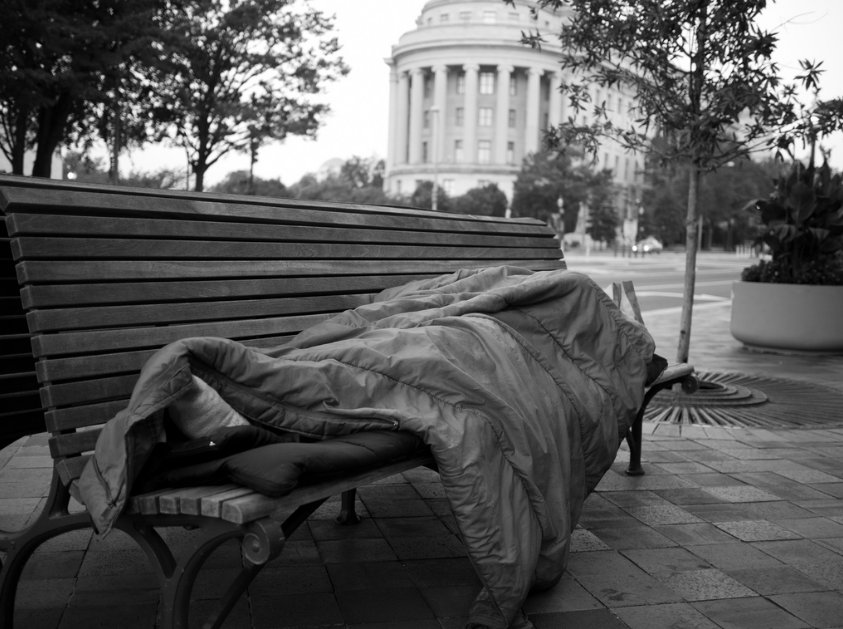
Richard was beaten and robbed multiple times while panhandling and sleeping on the streets of DC over the years. He would lash out at family members too, then feel awful and apologize once he was back on his medication.
“It’s a tough thing, as a relative. To experience this and then to sustain a relationship is a challenge,” Kent said. “I was working as best I could, trying to understand and deal with what was going on with him, and seeing him deteriorate. It was tough.”
Now Kent hopes recently released security camera footage of Richard’s attacker will help police track down the person who killed his brother.
Richard’s death serves as a cautionary tale for families affected by severe mental illness everywhere. There are a number of negative consequences incurred by people with untreated psychiatric diseases, including homelessness and victimization. In fact, 25% of individuals with mental illness are victimized in some way each year.
Although it’s difficult, the best way to avoid tragedies like these is to get your loved one into consistent mental health treatment.
Learn more about how to get help for a loved one in psychiatric crisis and #aBedInstead, the Treatment Advocacy Center's campaign to address the nation's psychiatric bed shortage.
To comment, please visit our Facebook page.