

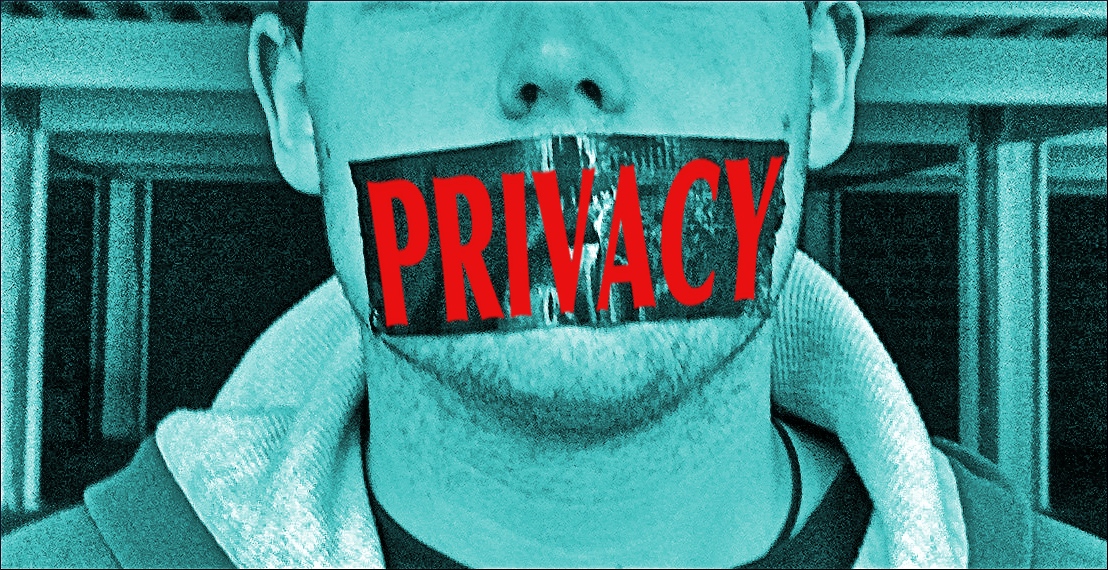
 (Jan. 11, 2017) My son, J, had his first psychotic break in 2012 while attending college in Europe. J was suffering from hallucinations and delusions; he believed he was Andy Warhol reincarnated. He was flown to New York City by the European government and treated at a hospital there for 3 weeks.
Once he stabilized, J came home to live with me and my husband in Texas. He went to a psychiatrist who diagnosed him with severe bipolar disorder. It took him a year to recover, but gradually he started to talk to family members and friends again. In the fall of 2013, he returned to Europe to finish his degree, and he graduated in June 2014. Our family was so proud.
After graduation, J returned to Texas. In November of that year, he became very ill and was diagnosed with HIV. He was extremely upset by this news. Then, J turned 26, which meant that he had to get his own health insurance. That’s when our nightmare began.
J went off his meds in December 2014 and moved in with his sister. He quit going to his psychiatrist one month later, and by August 2015 he was completely psychotic. My daughter was frightened and called J's psychiatrist, and they recommended that we have him involuntarily committed. J was furious when he was picked up by the police to be taken to the hospital.
Following his hospitalization, J briefly came to live with us again, but in November 2015 he left abruptly in the middle of the night. For eight months, we had very limited contact with him via email. In August of 2016, he emailed saying that he had been living in very undesirable places and at times ate out of trash cans. He threatened to commit suicide. We filed a missing person’s report, but when the police tracked him down in Florida he told them that he didn’t want anything to do with his family or friends. There was nothing they could do. Soon after, my son deleted his email address, so we have no way to contact him now.
If my son’s psychiatrist had called my daughter to let her know that J had not been coming to his appointments, things could have worked out differently. J was distraught by the HIV diagnosis; his psychiatrist should have coordinated with us to ensure that he attended therapy and continued taking meds to treat both his mental illness and HIV. However, the psychiatrist never called. This seems grossly negligent to me, but I suppose it could be due to their misunderstanding of the Health Insurance Portability and Accountability Act (HIPAA).
Some doctors hide behind the HIPAA privacy rule and others seem honestly worried about running afoul of it, but few seem to know what it actually says. HIPAA allows doctors to share information with caregivers, and it also allows for communication with family members in emergency circumstances or when there is a capacity issue. That is right in black and white print.
The 21st Century Cures Act directs the Department of Health and Human Services to clarify this – I hope this will include educating doctors about what they’ve been getting wrong.
J is now 27 years old, and we have not had any verbal contact with him in over a year. It has been heartbreaking for our family. There is not a day that goes by that I am not concerned about whether my son has food to eat or a place to live. I am sharing our story in the hopes that it will help others currently going through HIPAA nightmares of their own.
A Very Concerned Texas Mother
To comment, please visit our Facebook page.