RESEARCH WEEKLY: NIMH Alliance for Research Progress Recap
 At a meeting of the National Institute of Mental Health’s Alliance for Research Progress, advocacy organizations learned about new developments in mental health research including prediction of psychosis in at risk youth and the future of genetic investigations into schizophrenia. At a meeting of the National Institute of Mental Health’s Alliance for Research Progress, advocacy organizations learned about new developments in mental health research including prediction of psychosis in at risk youth and the future of genetic investigations into schizophrenia.
Read more »
RESEARCH WEEKLY: Violence in Emergency Departments and the Role of Serious Mental Illness
A lmost half of all emergency physicians have been assaulted on the job, according to results from a poll of 3,500 emergency physicians released by the American College of Emergency Physicians this month. More than 40% of those polled believed more than half of the attacks were committed by psychiatric patients. lmost half of all emergency physicians have been assaulted on the job, according to results from a poll of 3,500 emergency physicians released by the American College of Emergency Physicians this month. More than 40% of those polled believed more than half of the attacks were committed by psychiatric patients.
Read more »
RESEARCH WEEKLY: Cannabis and Serious Mental Illness Part Two, Causal Links
 This week's research blog is the second in the two-part series and focuses on questions linking cannabis use with the development of schizophrenia.
Read more »
RESEARCH WEEKLY: Cannabis and Serious Mental Illness Part One, Medical Marijuana
The association between cannabis use, commonly known as marijuana, and serious mental illness is controversial. This week’s research blog is the first in a two-part series regarding cannabis and serious mental illness, focusing on the questions around medical marijuana for individuals with serious mental illness.
Read more »
RESEARCH WEEKLY: Beyond 'Grading the States'
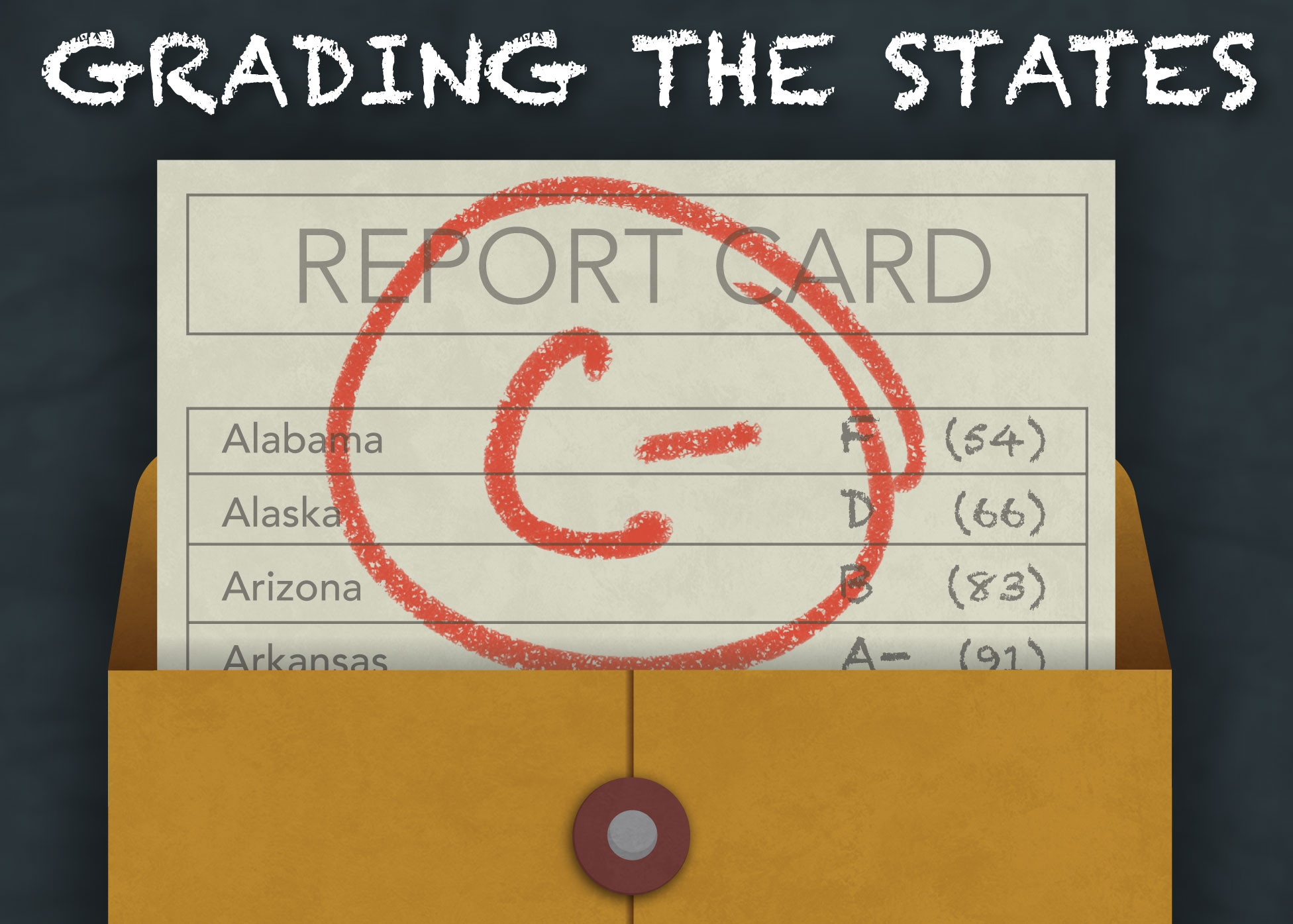 Perhaps more important than the evaluation and grade themselves, this report is the first-of-its-kind in laying out the Treatment Advocacy Center's evidence-based policy recommendations. In Section Two of the report, we highlight state laws that allow timely and effective treatment as well as those that impose artificial treatment barriers. Each policy recommendation is bolstered with peer-reviewed research or evidence to support the claim.
Read more »
RESEARCH WEEKLY: Drug Cocktails Still Common, Despite Treatment Guidelines
 Mixing of multiple antipsychotic medications into a drug cocktail is only supposed to be utilized for patients with schizophrenia who are treatment-resistant after multiple different trials of antipsychotics, including clozapine. New research published this month in Psychiatric Services suggests that although there has been an overall decline in antipsychotic polypharmacy, the practice may still be common.
Read more »
RESEARCH WEEKLY: Caregivers Role in Police Response to Mental Health Crisis, Opportunity to Participate in Research

Family carers play an enormous role in supporting a loved one during a mental health crisis. Often, it is family carers who provide informal support and care for their relative during illness and in times of crisis, initiate help-seeking and liaise with emergency services on behalf of their family member. Family carers have reported the need for improvement in emergency responses to mental health crises and have asked for greater understanding of the family’s experience during crisis episodes.
Read more »
RESEARCH WEEKLY: Mobile Phone Health Apps for People with Serious Mental Illness
 Smart phone applications for individuals with serious mental illness to engage in treatment are an innovative and effective tool and will have an increasing role in mental health care delivery in the future, according to new research.
Read more »
PERSONALLY SPEAKING: Keith Kutz
 Keith Kutz, a truck driver and president of a local VFW in Bangor Pennsylvania, explains that his mentally-Ill son, Travis, didn’t belong behind bars, but that’s where he sent him. Keith Kutz, a truck driver and president of a local VFW in Bangor Pennsylvania, explains that his mentally-Ill son, Travis, didn’t belong behind bars, but that’s where he sent him.
Read more »
RESEARCH WEEKLY: August 2018 Research Roundup
 Research Roundup is a monthly public service of the Office of Research and Public Affairs. Each edition describes a striking new data point about serious mental illness and summarizes recently published research reports or developments. Research Roundup is a monthly public service of the Office of Research and Public Affairs. Each edition describes a striking new data point about serious mental illness and summarizes recently published research reports or developments.
Read more »
|