 Over the past 20 years, my organization, the Treatment Advocacy Center, has worked with more than 30 states to modernize their civil commitment standards to include factors beyond overt dangerousness. This reform effort gained vital advocacy support from families who had faced the nightmare of seeing an obviously ill loved one denied care simply because they had not yet become violent. As evidenced by these families’ experiences, demanding immediate evidence of danger delays the provision of care, often leading to unjustifiable deterioration and unnecessary criminalization.


 Research Roundup is a monthly public service of the Office of Research and Public Affairs. Each edition describes a striking new data point about serious mental illness and summarizes recently published research reports or developments.
 A frustrated mother writes an impassioned letter to her elected officials in Washington State about waiting until someone becomes dangerous before helping them.
 Untreated severe mental illness is a significant factor contributing to the rising rates of suicide in the United States. Steps need to be taken to reverse this trend that include ensuring access to timely and effective treatment for individuals with the most severe psychiatric disorders.
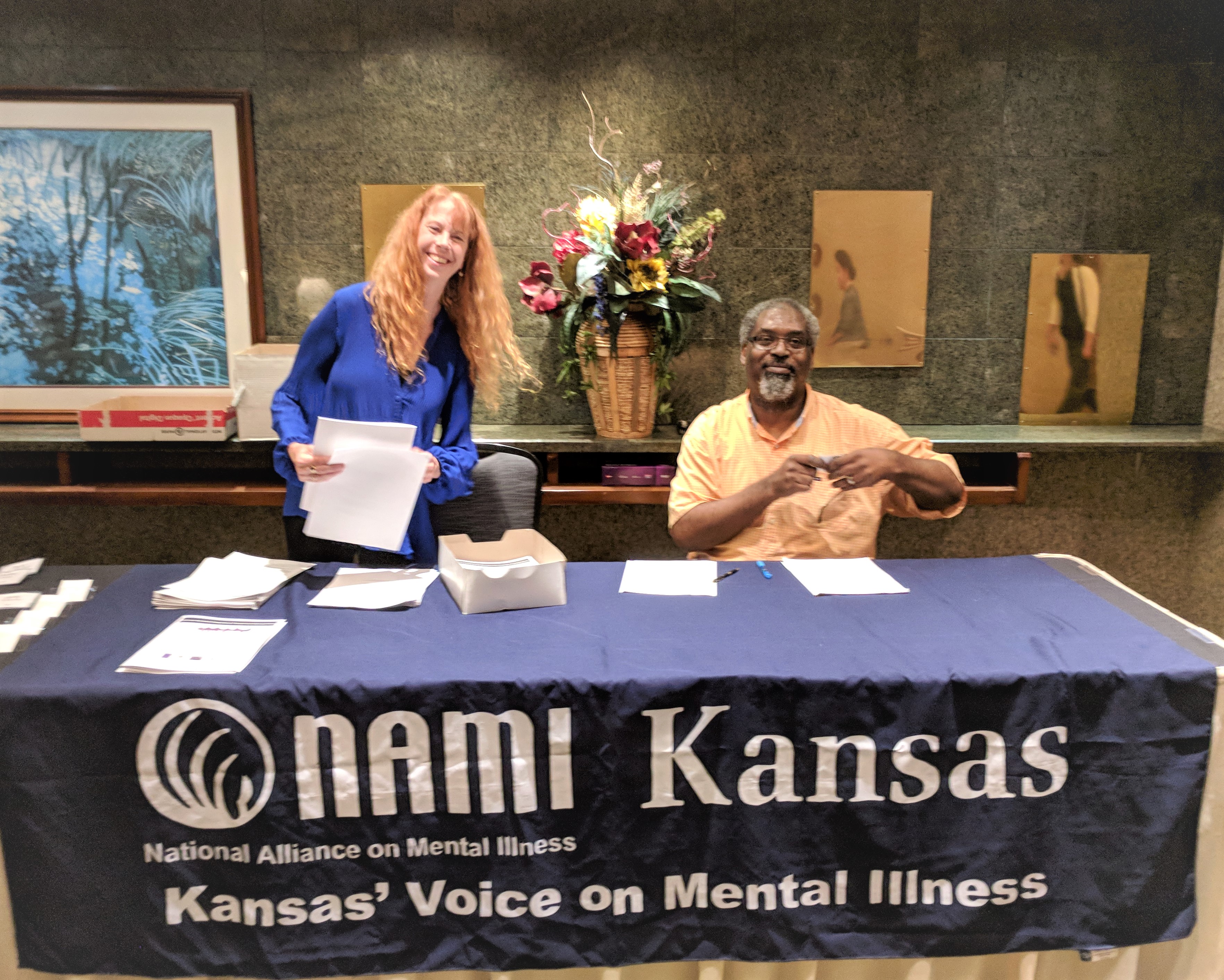 The ins and outs of mental health treatment advocacy are something that most people do not have the time to follow closely. But, for the past twelve months, when it comes to helping get much needed psychiatric treatment for those desperately in need, exciting things have been happening in the nation’s heartland.
 Probiotic treatment reduces rehospitalization for patients who have been hospitalized with acute mania and bipolar disorder.