

My Mentally-Ill Son Didn’t Belong Behind Bars, But That’s Where I Sent Him
Keith Kutz

How has serious mental illness affected me? It is difficult to know where to start.
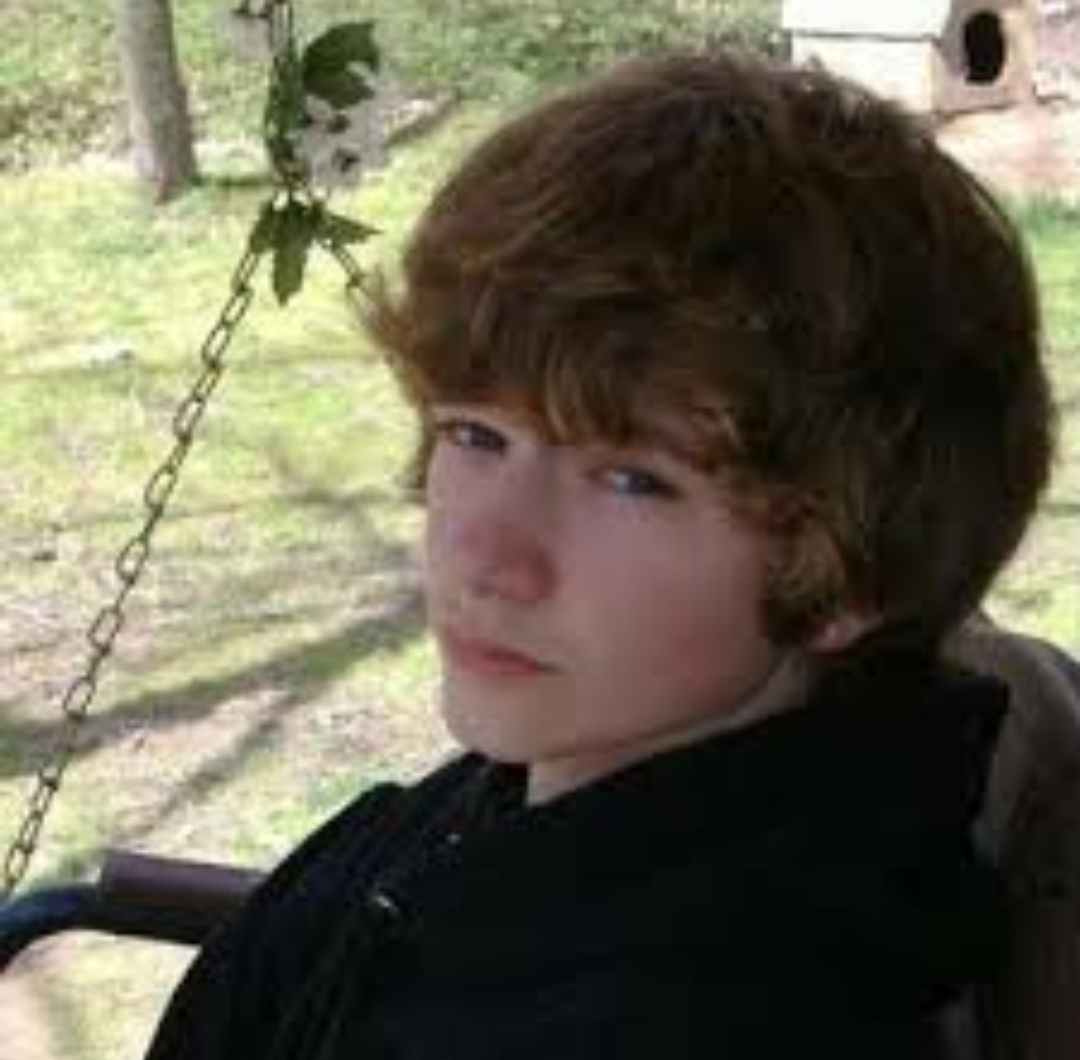
I remember my son Travis developing a temper.
He was not necessarily physically violent, but he was unruly enough that I had to throw him out of my house. When I did, he went to his mother’s house. Later, he returned to mine.
I would try to talk to him, but our discussion would devolve into arguments. Travis would then leave in a huff -- a vicious and volatile cycle: okay one day; pissed off the next.
At his mother’s place, Travis started having conversations with the television. He thought he was talking to me, but I was not there.
One winter morning, I looked out my window into the woods. Something was off. There was an unfamiliar shape in the landscape.
I put on my shoes and approached. It was Travis in a sleeping bag, completely covered in snow.
I feared the worst and yelled his name. No response.
Travis was still alive, but he continued to sleep outside and in sheds behind his friends’ houses. He needed help.
Twice I called the police and had Travis involuntarily committed. However, limitations in Pennsylvania’s Mental Health Procedures Act allowed Travis to sign himself out of the hospital the next day.
I could not get my son to seek help voluntarily, and the hospitals would not keep him.
My hands were tied...
Until one day when my neighbor called. He said he called the cops after seeing someone sneaking through the front window of my house.
Minutes later, I received another call. A policeman told me Travis had been caught crawling out my window with food. He had been hungry. “Do you want to press charges?” the officer asked.
That was when I made one of the hardest decisions of my life - I had my son arrested.
It's something no parent should have to do.
I reasoned that people in the correctional system would see that he needed medical attention and care for him in a way I could not.
I was wrong.
Travis was put in a cell. There, his condition deteriorated. I asked about visiting. Someone at the prison told me Travis would probably know me. Probably... That broke my heart.
When our court date came, my son threw a tantrum. He yelled at me in the courtroom. He was declared incompetent to stand trial.
Prison had not helped, and it ate at me that I put him there.
Riley Yates, a reporter from the daily newspaper in Allentown, the Morning Call, took interest and interviewed me for this video. His piece exposed Pennsylvania’s broken mental health treatment system and the poor conditions for inmates with serious mental illness.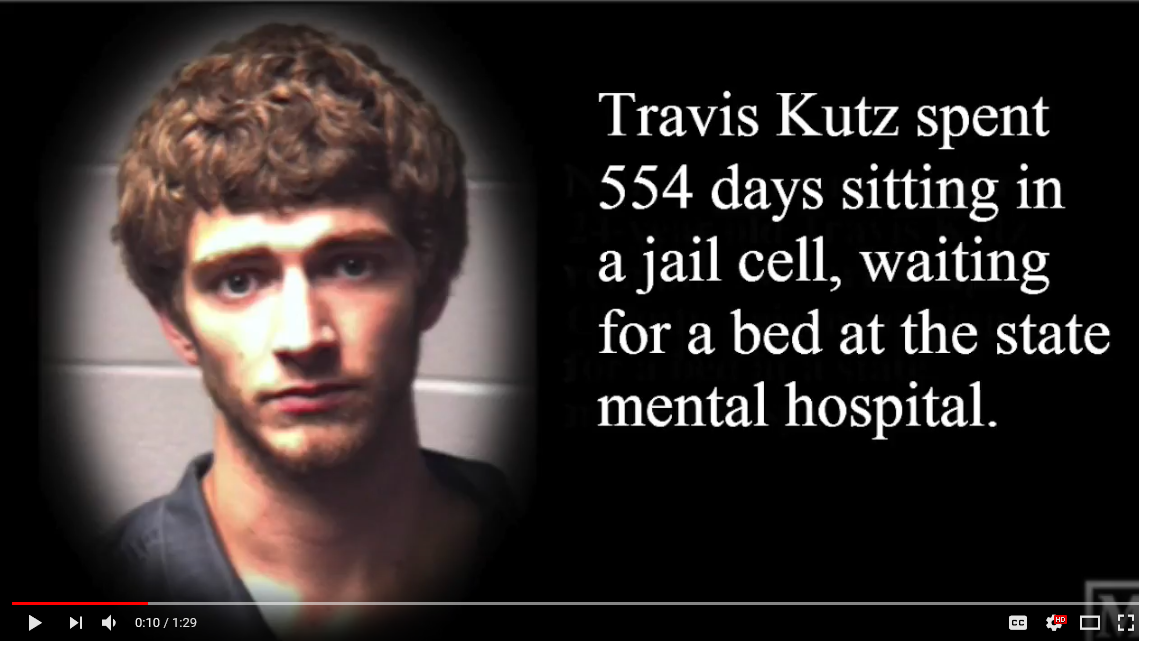
I learned that the American Civil Liberties Union (ACLU) had sued the Commonwealth of Pennsylvania over the lengthy backlogs for mentally ill defendants needing treatment at one of two state mental hospitals.
The official term for this process is “competency restoration,” and the line for one of the state’s few remaining psychiatric beds had bottlenecked. The cases of drug dealers and murderers go right to trial, but people like Travis were waiting months to be stabilized enough to make it through a court proceeding.
The delay killed some prisoners. In Philadelphia, one person took his own life before his competency could be restored. Another was murdered in jail.
And let’s be frank, the treatment these so-called “forensic patients” receive is the bare minimum needed to face their charges in court; it’s not the type of comprehensive medical care that dangerously delusional people need.
The state conceded that point, settling the lawsuit. It promised to reduce bed waits and to invest in other improvements to the treatment system. However, the number of inmates awaiting beds only grew.
I grew frustrated. I just wanted my kid back.
A month after the Morning Call story ran, a bed miraculously opened up at the State Hospital in Norristown, Pennsylvania. I am convinced, but for that article, Travis would still be waiting.
I was relieved. But Norristown is an old, run-down building more than an hour drive from my house. It was little better than Northampton County Prison. The state should be embarrassed at the condition of its hospitals.
The good news is that Travis is currently in Belfast, Pennsylvania at a different facility, where he is being cared for by good doctors and therapists. He is doing okay.
As for me, I am hopeful for a day when we can all get on with our daily routines without the anxiety and uncertainty of the last few years. But, to be honest, I am still mad that Pennsylvania puts the families of people with serious mental illness through ordeals like mine.
According to the Treatment Advocacy Center, legislation is currently pending in the Pennsylvania Legislature, HB 1233, which would provide people with untreated serious mental illness with necessary care and services in the community before they become a danger to themselves or others, and help reduce psychiatric hospitalizations and decriminalize mental illness. If you live in the Commonwealth, you can use this link to send a message to your legislators and tell them to pass this bill.
Providing better psychiatric treatment options would fulfill the state’s obligations and help others avoid sending loved ones to jail as a last resort. We can help mentally-ill people avoid the criminal justice system if we just give them a bed instead.
Keith Kutz lives in Bangor Pennsylvania, where he drives a truck and serves as president of a local VFW. He has two children, including Travis.