

(Dec. 6, 2016) Suicide took the lives of more than 40,000 Americans in 2015, making it the 10th-leading cause of death in the nation. Frustratingly, science and medicine have shown a limited ability to predict who will attempt suicide, which complicates the goal of preventing what are widely viewed as preventable deaths.
Suicide risk is known to be especially high in individuals with schizophrenia and mood disorders, with an estimated half the people diagnosed with schizophrenia or bipolar attempting suicide at least once in their lives. One effort to better understand this pattern involves identifying biological markers present in the population at risk for suicide.
Antibodies Associated with Higher Risk
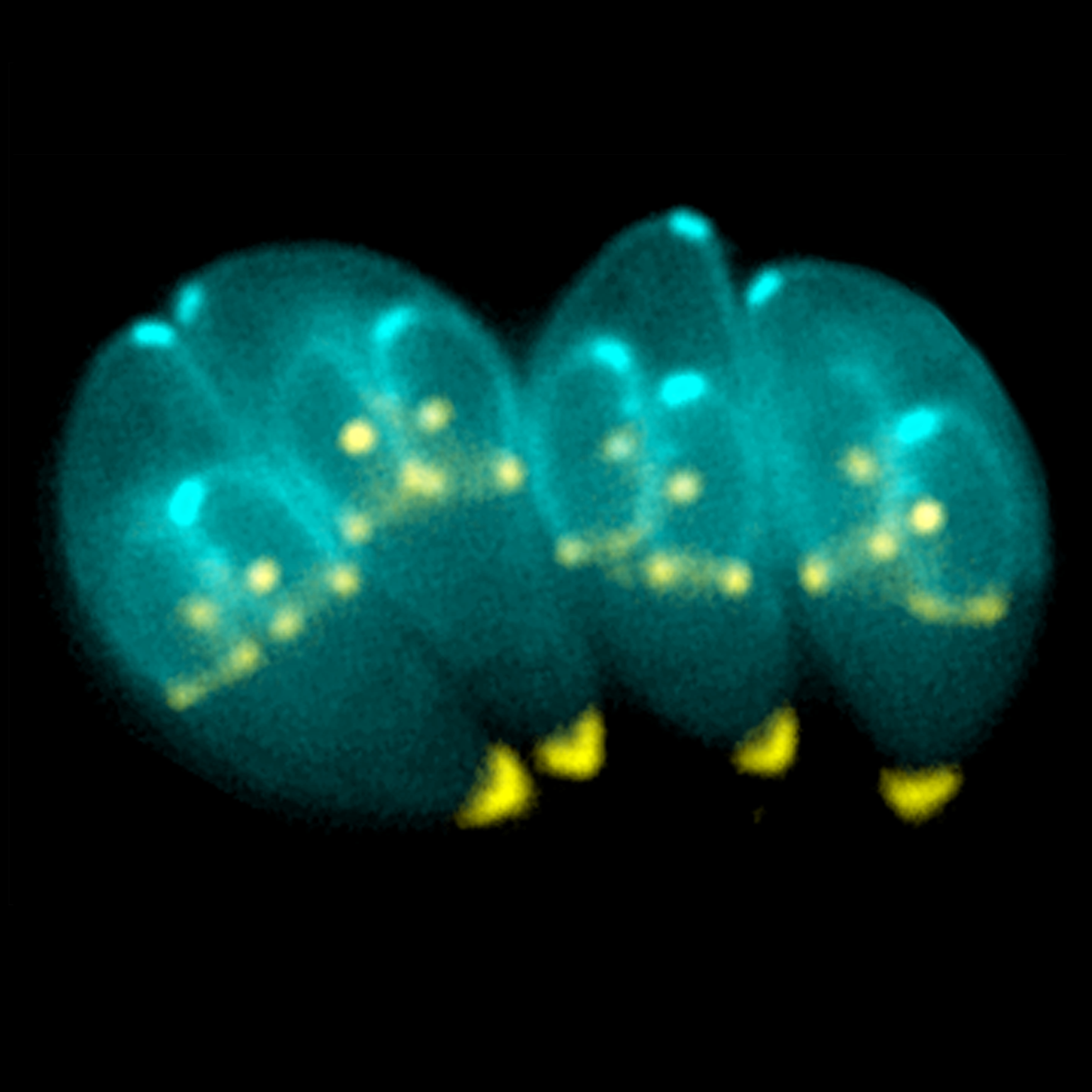
In a study to be published soon, researchers at Sheppard Pratt Hospital in Baltimore found higher levels of antibodies to two infections in blood samples of individuals who had a history of suicide attempt compared with those who had never made an attempt: a common herpes virus (cytomegalovirus or "CMV") and Toxoplasma gondii (T. gondii or "Toxo," an infectious parasite associated with cats). The association was particularly strong in individuals who had attempted suicide more than one time and who had elevated markers for both infections.
Researchers now are seeking to identify immune markers associated with recent suicide attempts. At the 22nd annual convening of researchers funded by the Stanley Medical Research Institute (SMRI)* in Baltimore, Faith Dickerson, PhD, reported findings from a comparison of 22 patients hospitalized with a mood disorder who had attempted suicide recently and 60 who had never made an attempt.
Dickerson said elevated antibodies for gastrointestinal inflammation were significantly more likely in patients who had attempted suicide in the previous month than in patients with no suicide attempt history. These markers are of interest because they may lead to new methods of assessment, treatment and prevention for this tremendous public health problem, Dickerson said.
In recent years, the role of infection and inflammation has been a growing focus of study in schizophrenia and, with less evidence, in the study of bipolar disorder and depression. Half of SMRI's current 52 treatment trials involve the use of anti-infective or anti-inflammatory agents/drugs to alter the immune system, and slightly more than half of its newly funded trials also will be testing anti-infective or anti-inflammatory agents in the treatment of schizophrenia.
Other Population Characteristics
The comparison of samples with and without a lifetime history of attempting suicide found a number of clinical differences between the two groups as well.
- Individuals with a lifetime history of attempting suicide were more likely to be current smokers. Of the individuals with a suicide attempt, 52% were current smokers. Among those without attempts, 33% were.
- Individuals with a lifetime history of suicide were significantly more likely to have a history of alcohol or drug use. Among those with attempts, only 6% of the 72 patients in the sample had no history of substance use; almost 30% had recently abused alcohol or drugs. By comparison, 28% of the individuals with no suicide attempts had no history of substance use, and only 11% reported recent substance misuse.

Doris A. Fuller
Chief of Research and Public Affairs
References:
- Research Weekly. (7 Sept. 2016). Suicide rates and psychiatric bed populations. Treatment Advocacy Center.
- Research Weekly. (12 Jan. 2016). The growing focus on inflammation in psychiatric research. Treatment Advocacy Center.
- Research Weekly. (29 Nov. 2016). Stanley Medical Research Institute: Thinking outside the SMI box. Treatment Advocacy Center.
Next Week: New SMI Studies from Outside the Box
Research Weekly is a summary published as a public service of the Treatment Advocacy Center and does not necessarily reflect the findings or positions of the organization or its staff. Full access to research summarized may require a fee or paid subscription to the publications.
To comment, visit our Facebook page.