

 |
Full Report
|

Treat or Repeat
A State Survey of Serious Mental Illness, Major Crimes and Community Treatment
September 2017
Individuals with serious mental illness who have committed major crimes represent 2% of the estimated 8.2 million individuals with a severe psychiatric disease in the United States. Although this is a small segment of the total population, research shows that, without treatment, these individuals are at heightened risk of being re-arrested after their release from jail or prison or discharge from a forensic hospital.
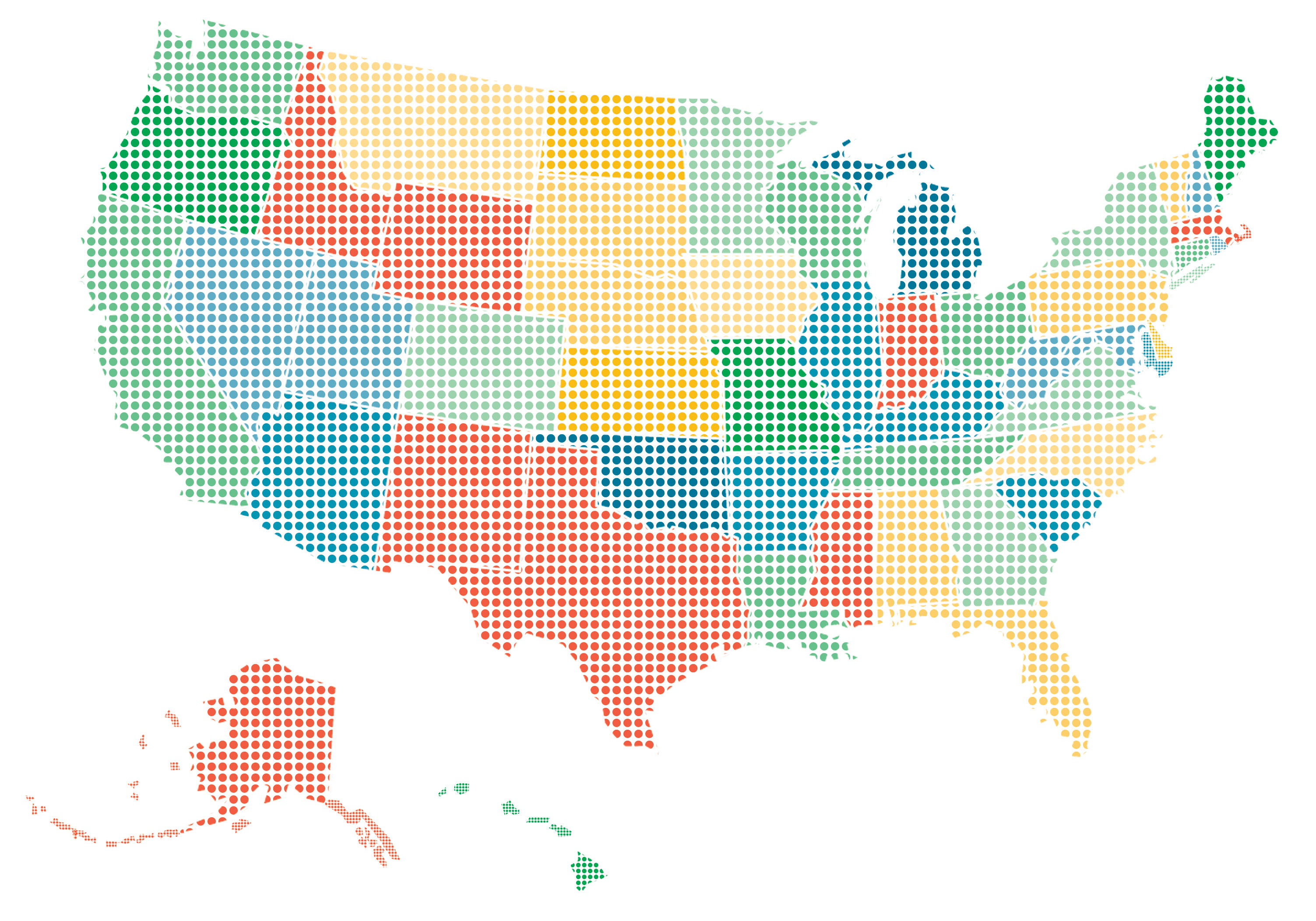
Because the timely and effective treatment of individuals with the most severe mental illness is the focus of its mission, the Treatment Advocacy Center conducted a survey of selected state systems and structures available to individuals with serious mental illness who have committed major crimes. The states were graded from A to F based on the availability and comprehensiveness of these practices.
The result, Treat or Repeat: A State Survey of Serious Mental illness, Major Crimes and Community Treatment, finds this population is often overlooked in programming and funding decisions. The report recommends prioritizing evidence-based treatment to reduce re-arrest of individuals with serious mental illness who have a history of violence.
Top Takeaway
Evidence-based programs for individuals with serious mental illness who have committed major crimes allow individuals to succeed in the community following reentry from jail or prison or after discharge from a forensic psychiatric bed by providing complete and intensive treatment. However, no state in the United States utilizes them comprehensively or effectively.
Fast Facts
- No state received an A grade. The majority of states do not provide adequate support in the community for individuals with serious mental illness who have committed major crimes, resulting in higher re-arrest rates and all the attendant human and economic costs of re-incarceration.
- Evidence-based programs can reduce the risk of re-arrest for individuals with serious mental illness living in the community from an average rate of 40%-60% to only 10% or less.
- The four states that received the best grades under this study – Hawaii, Maine, Missouri and Oregon—are all models that other states should look to for various aspects of their successful programming. Other states with exemplar programs and practices were also identified.
Recommendations
- Federal, state and local governments must create policies to stop the criminalization of individuals with serious mental illness.
- Federal, state and local governments must prioritize treatment for individuals with serious mental illness who are involved in the criminal justice system.
- State and local governments must implement evidence-based treatment programs for individuals with serious mental illness who have committed major crimes.
- Researchers and government agencies must conduct research and evaluate programs for individuals with serious mental illness who have committed major crimes to inform best-practices.