
Personally Speaking: I want to be one of the helpers
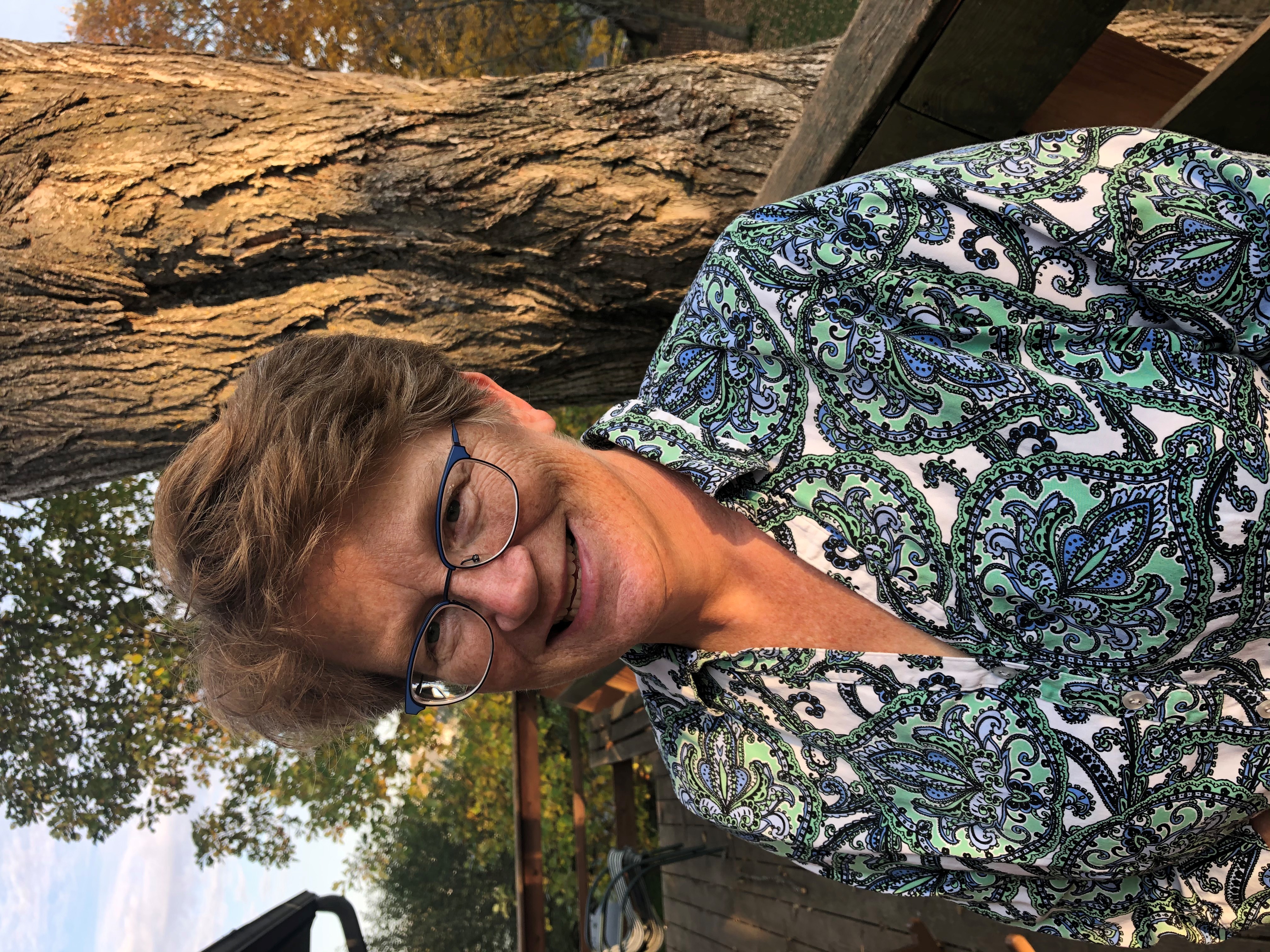
By Amy Lukes
I do this work because it is an honor when someone trusts you enough to let you help. An Assisted Outpatient Treatment (AOT) court order can give a skilled clinician the opening they need to work with the most difficult population.
I do this work for Letty.
Letty was a woman who was being evicted from a church rectory when her hoarding became too much for the priest to bear. She was in her mid 50’s and appeared nine months pregnant. The cellulitis in her legs was so bad she wore galoshes so the fluid leaking from her legs would collect in her shoes and not the floor. Not only did anosognosia keep her from treating her mental illness, she did not believe she had a physical illness either.
Once on civil commitment Letty engaged in both the physical and mental health treatment she needed. While she never gained insight into her situation, we were able to build a trusting relationship. She lived independently with the support of her church and the services we provided.
I do this work for Clarence.
Clarence was a 41-year-old man living on the streets in downtown Cleveland. Due to his schizophrenia and the noise at the shelter, he chose the streets in the middle of winter over any other housing option we had at the time. When the new Housing First project opened up, he was first on the list.
Move in day came and he struggled with the key to his apartment. As I took it to help, I noticed he was crying- it was the first time he ever had a key to his own living space. I could not help but join him in his tears of joy.
I do this work for Kathy.
Kathy was in her seventh month of pregnancy and living in the homeless shelter. She had been in treatment in the past but stopped taking her medicine, stopped her Social Security income, left her home and took to the streets. I tried to house her – after three days in her new apartment, I went for a home visit to find the door open and her belongings in the trash can.
The social worker at the shelter called later that afternoon to say Kathy had returned to the shelter. A variation of this situation played out two more times before she started tampering with the electrical systems in the apartment and was civilly committed to the hospital. Once stable on medication she was discharged to a new apartment where she stayed. The AOT court order was so meaningful to her she did not want to consider a medication change in response to rapid weight gain.
I do this work for Beau.
Beau was highly affected by lack of insight. The only thing that kept him on his meds was a court order. Beau went from a homeless shelter to his own apartment after a long stabilization at the state hospital. He did really well on AOT and returned to college, making progress on his engineering degree. He then learned that he could move to the neighboring county to escape the AOT order.
After moving and discontinuing medication, he travelled down the path we all know too well. He became psychotic, which in his case includes persecutory delusions about the federal government. He took a gun to a federal building, threatened a judge, was arrested and landed in jail. It took over a year for his case to be adjudicated.
If he had remained in the county under AOT, I am confident that he would have finished his degree.
AOT only works for those who have access to it. I am proud to be a part of the AOT Implementation Team that is dedicated to achieving access to AOT for every person who needs it.
Amy Lukes is the project manager at Treatment Advocacy Center.