
The severe mental illness starter pack
Advice and resources for family members from a mother who’s been there
By: Laura Pogliano
 Sometimes I imagine it’s 10 years ago, when I was new to the world of severe psychiatric illness. I can hear myself crying over my son’s diagnosis of schizophrenia; I can feel the initial terror at not knowing what to do for him. But mostly, I remember how helpless I felt, dealing with a devastating diagnosis for the child I loved and adored with no road map or compass. I had absolutely no idea what I was doing or where to start.
Looking back a decade later, here’s what I would tell myself in those early days of confusion after hearing of my son’s diagnosis. I hope that this starter pack of advice and resources will be helpful to you and your family.
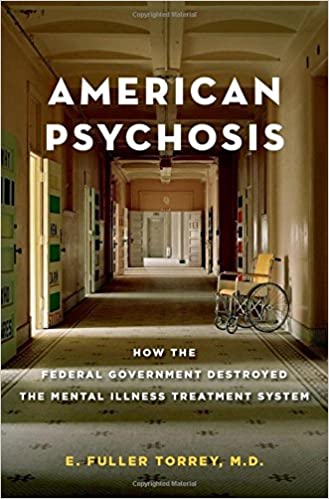
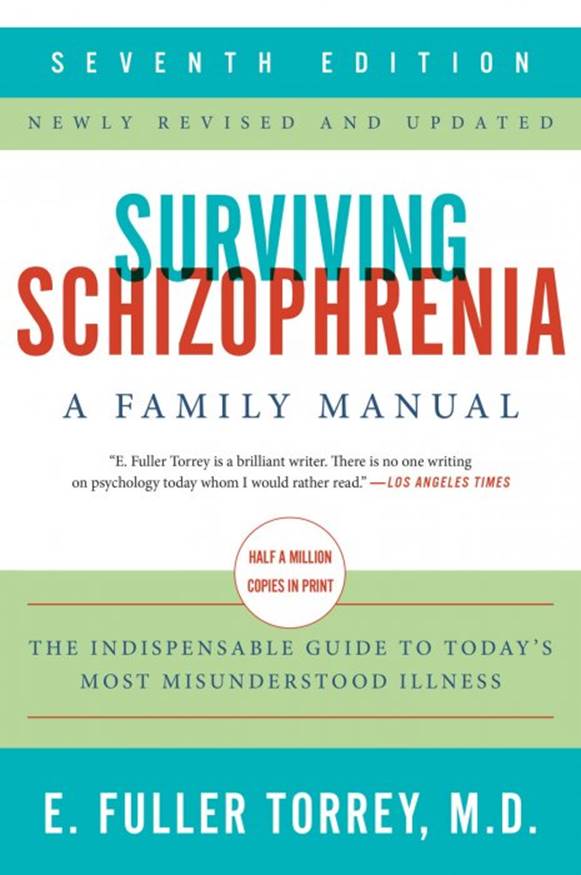
1. Hit the books -- Schizophrenia may not be what you suspect it is. Read all you can, even if you’re not ready to handle it. Start with books by clinicians with both depth and breadth of experience. The first book I read, a first-person account of an onset with schizophrenia, scared me so badly, I threw it across the room. Instead, start here: "American Psychosis,” by Treatment Advocacy Center founder Dr. E Fuller Torrey, or his comprehensive family primer, “Surviving Schizophrenia,” 7th ed. Other invaluable books include Dr. Xavier Amador’s, “I’m Not Sick, I Don’t Need Help,” “Recovery From Disability: A Manual of Psychiatric Rehabilitation,” by Robert Liberman, and “Clozapine: Meaningful Recovery from Schizophrenia,” by Robert Laitman.
2. Log on -- Visit advocacy websites like Treatment Advocacy Center, SARDAA and NAMI and click on any pages marked “resources.” These sites also contain important information on the laws in your state, in particular, civil commitment and assisted outpatient treatment laws (AOT). Treatment Advocacy Center has crisis action plans available, and SARDAA has a Family Toolkit you can download. Take advantage of those.
3. Get your financial house in order -- Serious psychiatric disorders can be a long term, expensive commitment. Many aspects of care are self-pay. Even with insurance, I went through $200,000 in just three years. That is not a typo: $200,000. Create a budget. Some small fixes, if you can afford them, can help manage your life while you’re helping to care for someone with a brain disorder. When my son moved into an apartment, I hired a “house helper” who saw him a few times a week, for three hours each, for $12 dollars an hour. She helped with household chores and took him on various errands to the bank, pharmacy and for shopping. He liked this; it was an interaction that freed him from his medicalized life for a few hours each week and made him less dependent on me. It allowed respite and growth for both of us. Compared to all the other money I spent, that few hundred dollars each month had a huge return on investment.
4. Reach out -- The first time a doctor told me I looked drained and needed support, I reacted badly. “I don’t care about those people and I do not want to know what’s coming!” I blurted out in anger. The doctor was patient with me. “OK. We’ll try again later,” he said. I did try later, when I was ready. It’s often said that people can’t understand this journey unless they’ve lived it. You are going to need other people. SARDAA has several weekly support meetings for families, friends and diagnosed individuals, and online support groups on Facebook. NAMI teaches a family class and also runs groups. Treatment Advocacy Center offers assistance through its helpline (703-294-6001) and website on how to advocate for a loved one with severe mental illness and understanding commitment criteria in your state. Best of all, support is free. Families already on this journey want to help you.
5. Keep a journal -- Get a notebook or download an app, and take copious notes. Brain disorders cause crises. Crises cause chaos. Stay organized. Don’t depend on yourself to remember critical details of clinician directives, medications and doses, the dates and times of medical appointments, or medical terms you’re not accustomed to, such as Anosognosia. A notebook or an app, such as SARDAA’s Health StoryLines, is a good partnering tool, also. It says to a treatment team, I’m prepared. I’m listening. I’m here to help.
6. Buy a kitchen timer -- little compares to digesting a diagnosis like schizophrenia, or losing a beloved child to this. I grieved for my son’s altered life every day, hard. At one point his doctor said, “You’re only as happy as your least happy child.” Sadly, that statement is true. Despite all of the hardship I was going through as a parent of a child with severe mental illness, I had to hold a job and run a household—I had to function. I bought a kitchen timer. If overwhelmed, I set the timer for an hour. I let myself feel whatever I needed to feel, and when the timer went off, I put the misery away and got back to living and caring for my son. Over time, I needed less than an hour. I gave one to a friend whose husband was dying of ALS. She said it was the most valuable $5 anyone ever spent on her. There’s magic in that ‘ding’! Use it to put a time limit on distress. You can’t live in grief, and your family needs you.
To summarize, read, learn and listen to experts. Make a budget. Find Support. Write everything down. Put a time limit on misery.
Then get up each morning with a renewed commitment to support your loved one.
Laura Pogliano is an education and training consultant in Baltimore, Md., the SARDAA Maryland state chapter lead and a SARDAA board member.