
(Nov. 10, 2015) It is a sad reality that mental illness is often criminalized in this country, as individuals suffering with severe psychiatric disorders are arrested, typically for petty offenses, and placed in a criminal justice system ill-equipped to help them. By default, jails and prisons have become our nation’s “defacto mental institutions” and deal with our most vulnerable citizens.
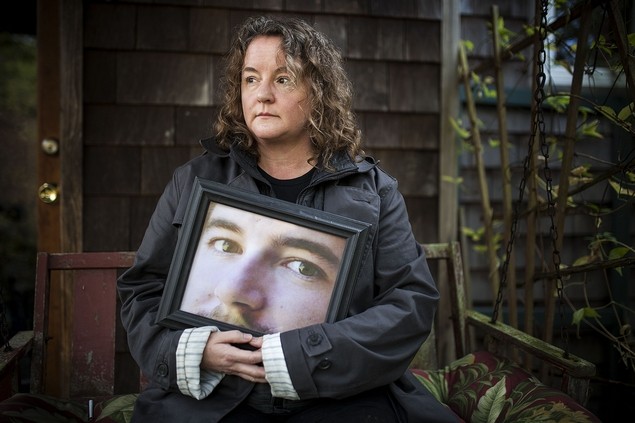 “What Jail Can’t Cure,” a new, four-part special report by the Daily Herald, takes a closer look at this phenomenon as it occurs in the state of Washington – where the odds are 3.1 to 1 that a person with mental illness will be placed behind bars rather than in a public psychiatric bed.
Part one of the series chronicles the life and death of Keaton Farris, a 25-year-old diagnosed with bipolar disorder. He could have been anyone’s son.
Keaton Farris was in the throes of a mental health crisis, but was behind bars for a property crime. He was passed through four jails while awaiting a bed at the overburdened state psychiatric hospital. Then, while in jail custody last April, Farris died of dehydration and malnutrition.
Jail officials later claimed they didn't know Farris was mentally ill because they didn’t get his medical records and he didn't arrive with any medication.
But, how could that be? Farris’ parents said they had frequently called to check on their son and told corrections officers he was bipolar and needed his medication.
“I told them if he got his medication, they'd like him,” Farris’ father said. “I think he probably would have been immediately manageable if he'd been given his medication.”
An investigation into Farris’ death found that corrections officers had documented that Keaton refused water and meals, talked to himself, cried in the corner of his cell, and was found naked on the floor of his cell pretending to swim in a half-inch of cold water. Yet no one called for a mental health professional.
“Keaton died because he was labeled a behavioral problem, a danger, and an inconvenience,” concluded the Daily Herald. ”He died while he was in a mental health crisis and unable to care for himself. He needed help from the people paid to care for him in the jail.”
Farris' story is not an isolated incident. There are now 10 times more individuals with serious mental illness in prisons and jails than there are in state mental hospitals, according to a 2014 Treatment Advocacy Center report.
The consequences of failing to treat mentally ill inmates are usually harmful and sometimes tragic. The ultimate solution to this problem is to maintain a functioning public mental health treatment system so people with serious mental illness do not end up in prisons and jails in the first place.
Read our 2014 report, “The Treatment of Persons with Mental Illness in Prisons and Jails: A State Survey,” to learn more.
(Photo: Tiffany Ferrians holding a portrait of her son, Keaton Farris/The Daily Herald)
To comment, visit our Facebook page.
Visit our blog archive to read all our recent posts.