
(Sept. 28, 2015) After a long struggle with schizophrenia that had led to numerous run-ins with the law, Philip Quinn, 30, was suicidal and off his prescribed medication last Thursday when his fiancée called 911. But Quinn’s family says that call for help quickly turned into their worst nightmare when responding officers fatally shot and killed their loved one (“After police kill St. Paul man, brother says they ‘were supposed to help’,” Minneapolis Star Tribune, Sept. 25).
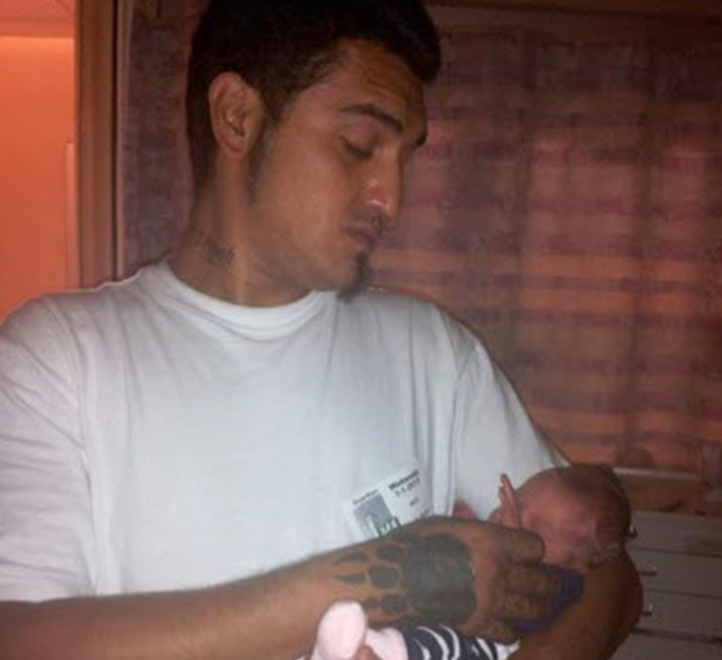 Philip Quinn knew he needed help. During a recent stay in a Minnesota hospital while receiving treatment for his schizophrenia, Quinn told medical staff that he planned to hurt himself, according to his fiancée, Darleen.
Despite threats of suicide, Quinn was released from the hospital, and placed on a waiting list for a long-term mental health treatment program.
Quinn returned home to his fiancée and their three-month-old daughter, but it wasn't long before he started complaining that “things weren’t making sense” to him again, says Darleen.
On Thursday morning, Darleen came home to find that Quinn had stabbed himself several times with a sharp object. She called the police after he refused to take his medication and locked himself in the garage.
When police arrived, Quinn was standing in the front of the driveway with a screwdriver in his hand. Darleen said police ordered Quinn to drop the screwdriver several times, and when he didn’t comply they opened fire on him. He was rushed to the hospital, but died shortly after arrival.
“I’m just so hurt and so angry,” Darleen said, adding that police should have tried to use a Taser to subdue Quinn. “He hadn’t hurt anybody but himself,” she said.
The St. Paul Police Department declined to discuss details of the case, but said the actions of the officers involved are under investigation. Quinn’s loved ones, however, insist that police did not do enough.
“The cops knew that there was a suicide/mental health call and that they were supposed to help,” said Jestin Quinn, Philip’s older brother. “There’s other ways to handle it instead of shooting to kill.”
As a consequence of the failed mental illness treatment system, an increasing number of individuals with untreated serious mental illness are encountering law enforcement officers, sometimes with tragic results. But the transfer of responsibility for persons with mental illness from mental health professionals to law enforcement officers is both illogical and unfair and harms both the patients and the officers.
Mental health agencies must be re-assigned the ultimate responsibility for the care of persons with mental illness in their communities and held accountable for providing it. Otherwise, tragedies like this will undoubtedly continue.
Read the 2013 Treatment Advocacy Center report “Justifiable Homicides by Law Enforcement Officers: What is the Role of Mental Illness?" to learn more.
To comment, visit our Facebook page.
Visit our blog archive to read all our recent posts.