
(Feb. 12, 2013) Few states in America make it harder to get treatment for someone with severe untreated mental illness than Maryland, where a University of Maryland graduate student Tuesday morning shot two roommates, killing one before turning his weapon on himself. 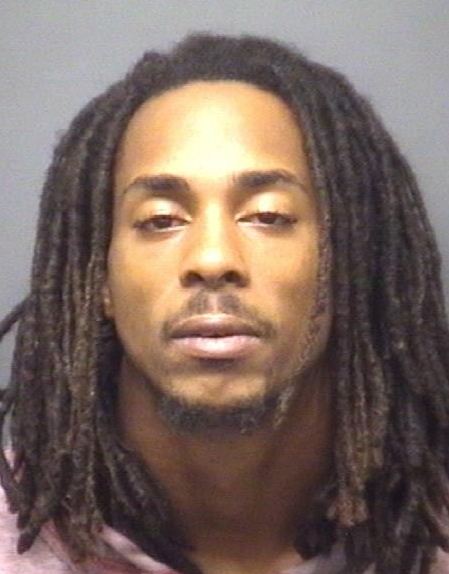 Family members of Dayon Maurice Green, 23, say he suffered from a mental illness for at least the last year and had been prescribed medication. Whether he was taking medication is not yet known.
“Whatever we learn about Green’s illness, we already know that Maryland is unique in the extent of its failure to provide involuntary treatment options for individuals who are severely ill and untreated,” said Brian Stettin, Treatment Advocacy Center policy director and advocate expert for Maryland.
Maryland is one of only four states in the country whose laws do not explicitly authorize commitment of a person who has not yet become violent or suicidal, Stettin said. Additionally, it is one of only six states that do not authorize court-ordered treatment in the community, known as “assisted outpatient treatment” or “outpatient commitment.”
“There is not another U.S. state that lacks both of these mental health policies that exist to get people into treatment before they are dangerous,” according to Stettin. “In their absence, tragedy is inevitable.”
Individuals with severe mental illness that is effectively treated are no more dangerous than the general population. Untreated severe mental illness significantly raises the risk of violence, especially suicide. Young males are at heightened risk when untreated.
A bill to broaden Maryland’s civil commitment standard to authorize civil commitment for individuals with untreated severe mental illness before they become violent or suicidal was introduced in the Maryland legislature last week.
To comment, visit our Facebook page.
Visit our blog archive to read all our recent posts.