RESEARCH WEEKLY: July Research Roundup
 Research Roundup is a monthly public service of the Office of Research and Public Affairs. Each edition describes a striking new data point about severe mental illness and summarizes recently published research reports or developments. Research Roundup is a monthly public service of the Office of Research and Public Affairs. Each edition describes a striking new data point about severe mental illness and summarizes recently published research reports or developments.
Read more »
Kardashian Family’s Plight Highlights Our Broken Mental Health Care System
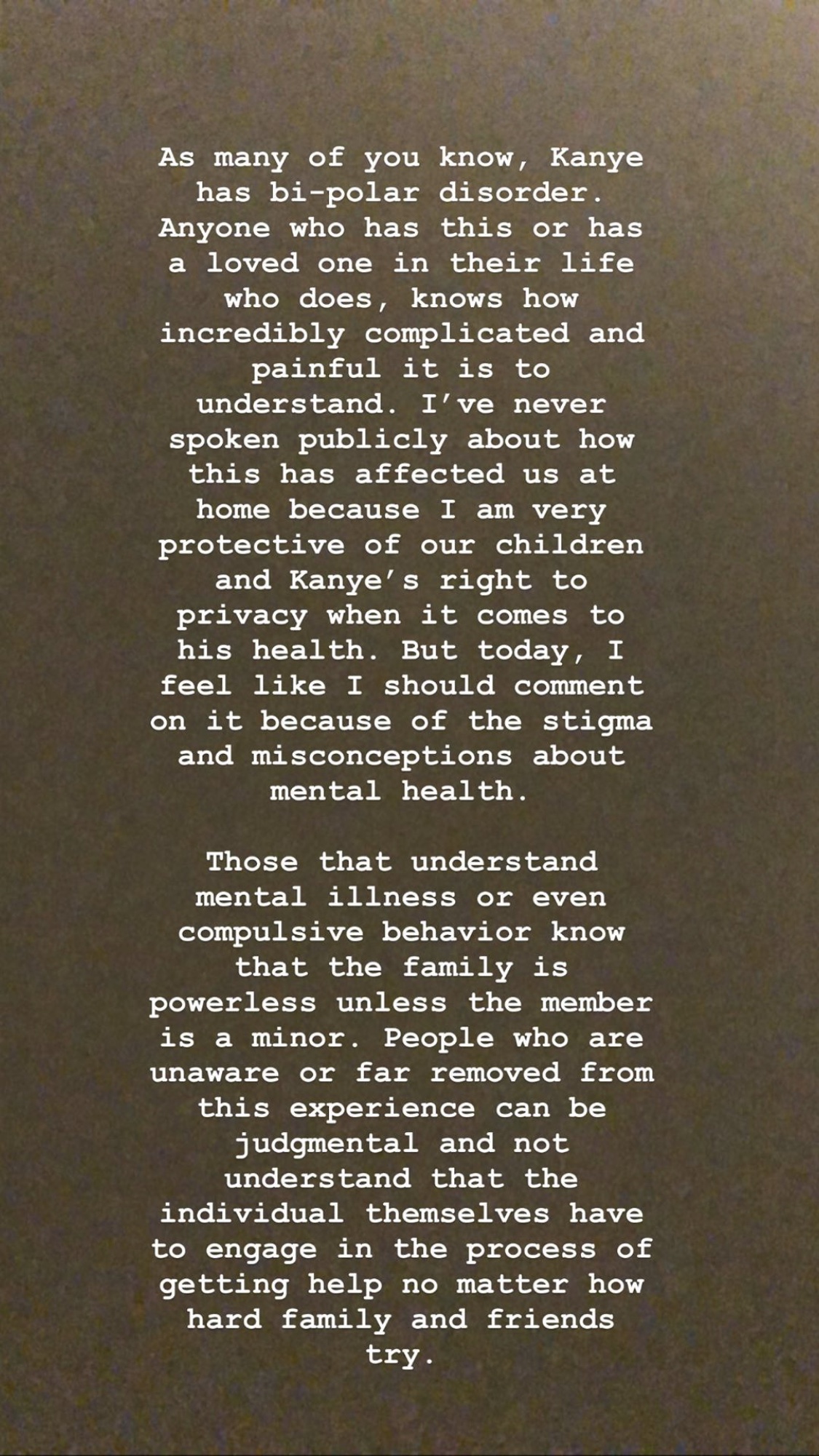 Reality TV star Kim Kardashian West released a statement on social media today, July 22, in response to a Twitter spree from her husband, rapper Kanye West, that touched his marriage and fear of being involuntarily committed by Kardashian and her mother, Kris Jenner. Reality TV star Kim Kardashian West released a statement on social media today, July 22, in response to a Twitter spree from her husband, rapper Kanye West, that touched his marriage and fear of being involuntarily committed by Kardashian and her mother, Kris Jenner.
Read more »
RESEARCH WEEKLY: Importance of Long-Acting Injectable Antipsychotics in Early Stage Schizophrenia
 Preventing a subsequent psychotic episode and resulting hospitalization in people in the early phase of schizophrenia is a key public health problem with substantial consequences to the individual suffering. Results from a randomized clinical trial published earlier this month in JAMA Psychiatry suggests that long-acting injectable antipsychotic medications can prevent relapse and re-hospitalization in patients with early phase schizophrenia. The results of the study provide further evidence to support the more widespread use of long-acting formulations in individuals with severe mental illness. Preventing a subsequent psychotic episode and resulting hospitalization in people in the early phase of schizophrenia is a key public health problem with substantial consequences to the individual suffering. Results from a randomized clinical trial published earlier this month in JAMA Psychiatry suggests that long-acting injectable antipsychotic medications can prevent relapse and re-hospitalization in patients with early phase schizophrenia. The results of the study provide further evidence to support the more widespread use of long-acting formulations in individuals with severe mental illness.
Read more »
AN OPEN LETTER IN RESPONSE TO THE PRESIDENT’S EXECUTIVE ORDER ON SAFE POLICING FOR SAFE COMMUNITIES SECTION 4. MENTAL HEALTH, HOMELESSNESS, AND ADDICTION
 We are encouraged by the focus of the President’s June 16th Executive Order on shifting responsibility to address the needs of individuals with mental illnesses and substance use disorders, and those experiencing homelessness, away from law enforcement to appropriate social service providers. We are encouraged by the focus of the President’s June 16th Executive Order on shifting responsibility to address the needs of individuals with mental illnesses and substance use disorders, and those experiencing homelessness, away from law enforcement to appropriate social service providers.
Read more »
Personally Speaking: “Serious mental illness” is a serious brain disorder
 My 49-year-old son lives with a serious mental illness, schizoaffective disorder. Before he became ill, he was pretty much a typical teenager. He loved school, his friends, music, sports. He did well in high school and was accepted at several universities. His future was beckoning him with a promise of great things to come. My 49-year-old son lives with a serious mental illness, schizoaffective disorder. Before he became ill, he was pretty much a typical teenager. He loved school, his friends, music, sports. He did well in high school and was accepted at several universities. His future was beckoning him with a promise of great things to come.
Read more »
RESEARCH WEEKLY: Two Moms on a Mission for Housing that Heals
 Beds are more than just a place to sleep or a unit of psychiatric service capacity. Beds provide respite and should be a safe place to sleep and recharge at the end of every day. Powerful advocates for increased access to treatment for people with severe mental illness, Teresa Pasquini and Lauren Rettagliata recently published a report of an ambitious research analysis they conducted of housing options for people with serious mental illness. Beds are more than just a place to sleep or a unit of psychiatric service capacity. Beds provide respite and should be a safe place to sleep and recharge at the end of every day. Powerful advocates for increased access to treatment for people with severe mental illness, Teresa Pasquini and Lauren Rettagliata recently published a report of an ambitious research analysis they conducted of housing options for people with serious mental illness.
Read more »
Treatment Advocacy Center Founder Dr. E. Fuller Torrey receives 2020 Exemplary Psychiatrist Award from NAMI
The Treatment Advocacy Center is proud to announce that its founder, Dr. E. Fuller Torrey, has been named a 2020 Exemplary Psychiatrist by the National Alliance on Mental Illness (NAMI). The award honors “the extraordinary contributions that many psychiatrists make to improve the lives of people affected by mental illness.”
Read more »
Leading Mental Health Organizations Call on Attorney General Barr to Stop July 15 Scheduled Execution of Wesley Purkey Who is Diagnosed with Schizophrenia and Alzheimer’s Disease
(Washington, D.C.) Pointing to the Trump Administration’s commitment to “addressing the needs of individuals with serious mental illnesses” and arguing that “proceeding with his execution would violate the U.S. Constitution’s prohibition on executing people who are not competent to understand the reason for their execution,” three of the country’s leading mental health organizations today submitted a letter strongly urging the Trump Administration to withdraw the July 15 execution date of federal death row prisoner Wes Purkey, and to commute his sentence to life imprisonment without possibility of parole.
Read more »
RESEARCH WEEKLY: Recovery Barriers for People with Serious Mental Illness Post-Incarceration
 Criminal justice system involvement causes individuals to be less likely to recover from their serious mental illness after incarceration. Criminal justice system involvement causes individuals to be less likely to recover from their serious mental illness after incarceration.
Read more »
Personally Speaking: Assisted Outpatient Treatment Saved My Life
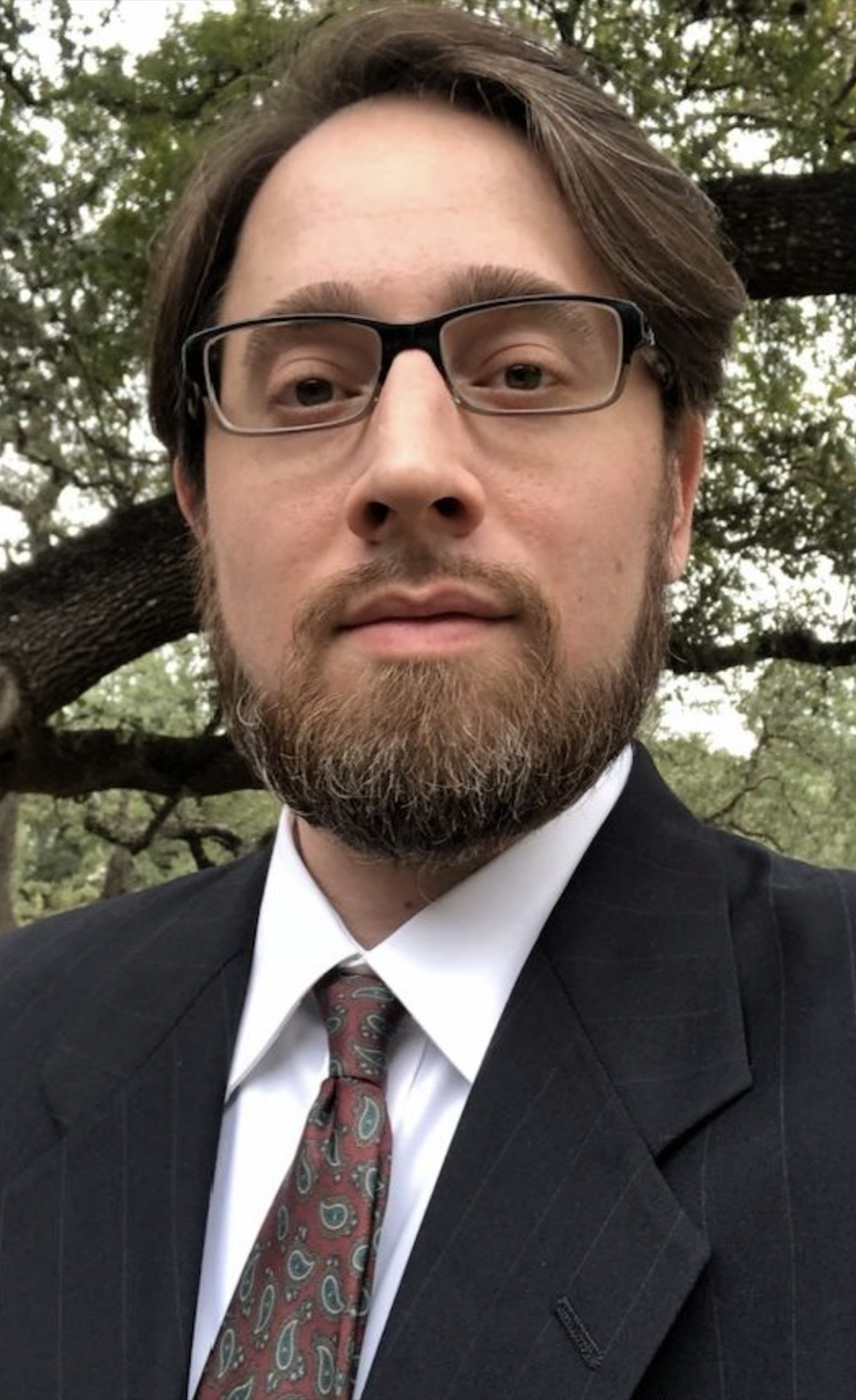 I was a teenager when I was diagnosed with bipolar disorder. What happened next was almost 15 years of failed medications, multiple hospitalizations and unnecessary interactions with police, FBI and Secret Service. I was a teenager when I was diagnosed with bipolar disorder. What happened next was almost 15 years of failed medications, multiple hospitalizations and unnecessary interactions with police, FBI and Secret Service.
Read more »
|