RESEARCH WEEKLY: Resource Groups Increase Empowerment of People with Severe Mental Illness

Recovery-oriented care has been emphasized for the treatment of individuals with severe mental illness and a key principle of this care is establishing social context in treatment by involving family members and friends. According to new research published in JAMA Psychiatry, the use of resource groups as a treatment, which includes family and friends of the individual, improves empowerment and other mental health outcomes for people with severe mental illness.
Read more »
Personally Speaking: Caregivers can Experience PSTD

For a long time I thought Post Traumatic Stress Syndrome (PTSD) only happened to individuals who served in the military. I never suspected I suffered from it too.
Read more »
Top Executives from Three Major Mental Health Organizations Applaud CDC for Adding Mental Illnesses to its List of Underlying Medical Conditions Associated with Higher Risk for Severe COVID-19
 Top executives from three of the nation’s leading mental health advocacy organizations applaud the Centers for Disease Control and Prevention (CDC) for adding mood disorders, including depression, and schizophrenia spectrum disorders to its list of underlying medical conditions associated with higher risk for severe COVID-19. Top executives from three of the nation’s leading mental health advocacy organizations applaud the Centers for Disease Control and Prevention (CDC) for adding mood disorders, including depression, and schizophrenia spectrum disorders to its list of underlying medical conditions associated with higher risk for severe COVID-19.
Read more »
Top Executives from Sixteen Major Mental Health Organizations Applaud CDC for Adding Mental Illnesses to its List of Underlying Medical Conditions Associated with Higher Risk for Severe COVID-19
Top executives from sixteen of the nation’s leading mental health advocacy organizations applaud the Centers for Disease Control and Prevention (CDC) for adding mood disorders, including depression, and schizophrenia spectrum disorders to its list of underlying medical conditions associated with higher risk for severe COVID-19.
Read more »
RESEARCH WEEKLY: National Institute of Mental Health Funding Priorities for Bipolar Disorder
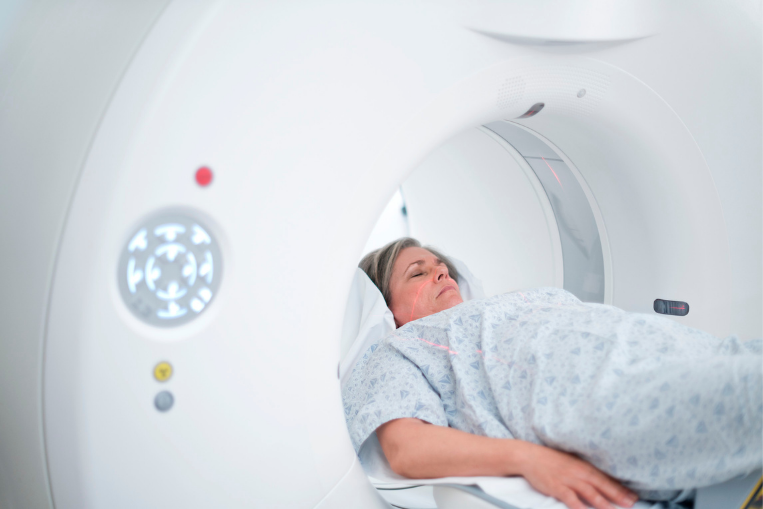
The funding from the National Institute of Mental Health (NIMH) for research into bipolar disorder is lower than funding for other serious mental illness research and focuses heavily on basic science research instead of clinical research.
Read more »
The NIMH is Failing Bipolar Disorder

A new study, published September 17 in the Journal of Affective Disorders, reported that fewer than 10% of bipolar disorder related NIMH research grants are likely within 20 years to help anyone who currently has bipolar disorder.
Read more »
RESEARCH WEEKLY: Pregnant Women with Bipolar Disorder Face Unique Challenges

Women with bipolar disorder-I (BD-I) and schizoaffective disorder-bipolar disorder (SA-BD) are at a high risk of postpartum psychosis and approximately 60% of women with bipolar disorder, independent of subtype, experience a perinatal illness episode.
Read more »
An Open Letter to Acting Administrator of the Office of Information and Regulatory Affairs Sharon Block
We are writing to you concerning the function of your office to oversee and maximize "the quality, objectivity, utility, and integrity of information (including statistical information) disseminated by Federal agencies,” as specified by Congress. For almost four years the National Institute of Mental Health (NIMH) has disseminated incomplete and inaccurate information on its website regarding the prevalence of schizophrenia.
Read more »
New International Survey Shows Concerted Community Investment Increases Vaccination Rates for People with Severe Mental Illness
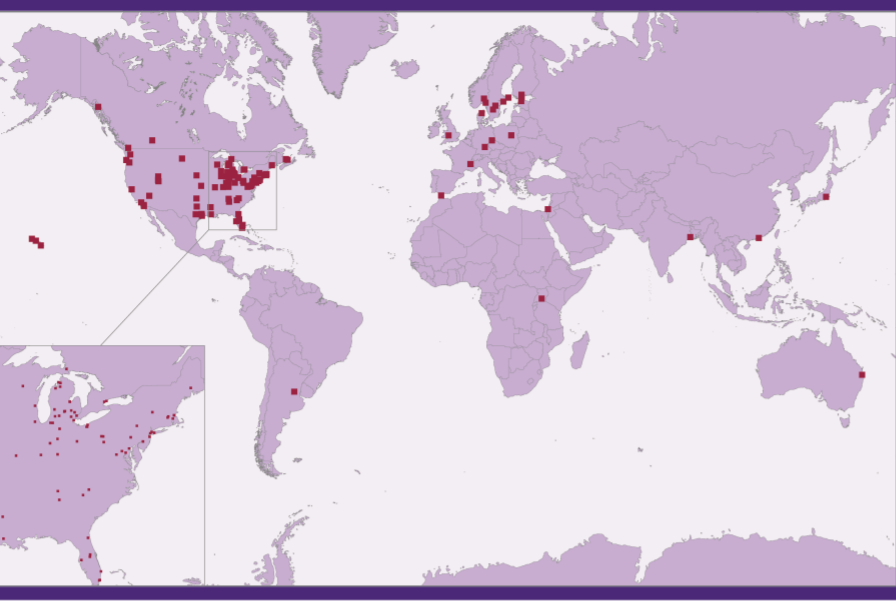
A new survey finds that while there are significant barriers to receiving the COVID-19 vaccine for people living with severe mental illness, targeted outreach and engagement in community settings leads to significantly higher vaccination rates and increased safety for this population. People with severe mental illness have a high risk of death from COVID-19 and the results of the research shows that community investment led to higher estimated rates of vaccination compared to the general public.
Read more »
Treatment Advocacy Center Welcomes New Executive Director

The Treatment Advocacy Center, a leading nonprofit that advocates for the elimination of barriers to effective treatment for individuals with severe mental illness, announced today the appointment of Lisa Dailey as the organization's new executive director.
Read more »
|