

Treatment Advocacy Center’s Summer Reading List
The warm summer months have finally returned, and we are all looking forward to spending some time outdoors with the company of a good book. Here are some of the books about #SMI that members of the Treatment Advocacy Center team are reading right now. We hope you enjoy them as much as we do.
“Already Toast,” by Kate Washington
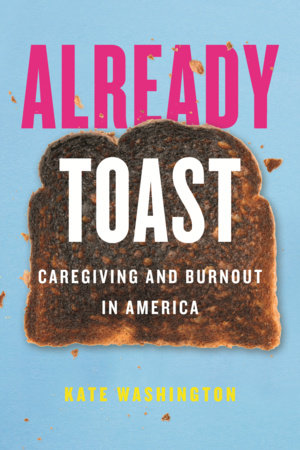 The dirty secret of American health care, which certainly applies to care for severe mental illness, is that it is absolutely dependent on what Kate Washington calls an ‘invisible army of family caretakers’ comprised of unpaid loved ones struggling to keep their families afloat through crisis after crisis. Those without willing and able caretakers are often left with nothing at all. This provocative book talks openly about the trauma this visits upon those conscripted into this invisible army, and the price they pay to serve in it. With any luck this book will lead to an honest conversation among policymakers about how to fix this deeply unjust reality. – Lisa Dailey, acting executive director
“Loving Someone with Bipolar Disorder: Understanding and Helping Your Partner,” by Julie A. Fast and John D. Preston
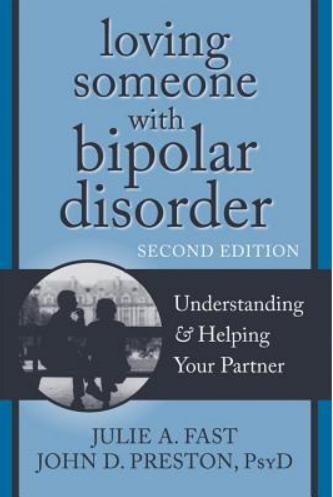 This book is an excellent guide to learning how to work with your partner when they have bipolar disorder. The authors have put together a very easy to read and informative guide (including exercises) to help you understand bipolar disorder and how to craft a plan to not only cope with your partner’s diagnosis, but how to treat bipolar first in your relationship. The reality of loving someone with bipolar disorder is that you and your partner will always have to manage the illness by putting it first. Once you understand this, with the help of Loving Someone with Bipolar Disorder, you will find that life becomes more manageable. The tools in this book can be used together with your loved one (if they are stable) or on your own, as a caregiver. Eventually, you will be able to formulate a plan to move forward along with your partner. This book is a must-read for all couples who are experiencing bipolar disorder in their relationship. – Kathy Day, helpline specialist/California advocate
“Mrs. Dalloway," by Virginia Woolf
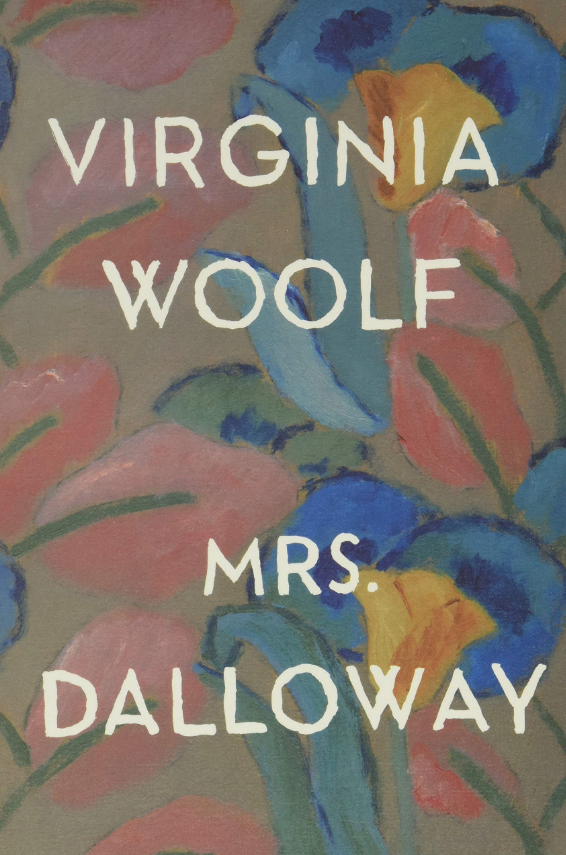 Virginia Woolf is recognized as one of the great writers of the 20th century. Her novel’s depiction of everyday life through the lens of a character’s inner thoughts provide an incredible glimpse into human nature and the mind. Experiencing what many believe was severe mental illness herself, Woolf’s characters are deeply complex, creating captivating novels out of ordinary life. Mrs. Dalloway is no exception. What may seem on the surface as a straightforward book, Mrs. Dalloway has extreme highs and lows enchanting the reader from the very first page. – Elizabeth Sinclair Hancq, director of research
“What Happened to You? Conversations on Trauma, Resilience, and Healing,” by Oprah Winfrey and Dr. Bruce D. Perry
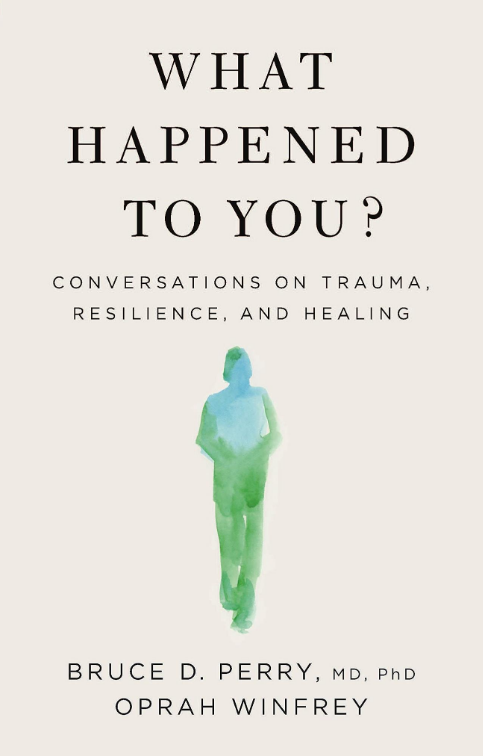 Strictly speaking, “What Happened to You? Conversations on Trauma, Resilience, and Healing” by Oprah Winfrey and Dr. Bruce D. Perry, isn’t a book. As the title suggests, it’s a freewheeling conversation between the world’s foremost interviewer and a respected child psychiatrist and neuroscientist. But it’s essential reading for anyone who’s interested in learning more about the emerging science of resilience and the impact that adverse childhood experiences (ACEs) can have on our physical and emotional health. Discussing ACEs studies in clear, accesible language, Perry explains that while experiencing childhood trauma can be a predictor of adult psychopathology, such experiences do not necessarily doom every individual. One powerful way to build resilience, to weather such trauma? Relationships. “Your connectedness to other people is so key to buffering any current stressor—and to healing from past trauma. Being with people who are present, supportive, and nurturing. Belonging.” This is the hopeful message of Winfrey and Perry’s book, and it rings true, especially as we emerge from a long period of pandemic-induced isolation. – Geoffrey Melada, director of communications
“Transcendent Kingdom,” by by Yaa Gyasi
 This book was already on my “to read” list, but when I was hired at Treatment Advocacy Center last April it went to the top of the list. I find reading stories is the best way to understand anything new. Yaa Gyasi deeply understands the power of storytelling and exemplifies it in her book. In a year of what felt like constant reflection because it was impossible to think of the future, it felt purposeful to read about a character doing necessary reflection to better understand herself and to empathize with her severely depressed mother. It felt like I was on this self-healing journey with the main character, Gifty. In the opposite direction, it was also refreshing to see Gifty simply try to get to the end of the day without a total disaster. Her work, her mother and her personal life were all battling Gifty, and as time passed on, she started to trust others to help her with these battles. It beautifully and accurately exemplified the hum-drum of life that we have been missing for so long now and are just starting to get back to. – Elizabeth Warner, communications associate
“Crazy: A Father’s Search Through America’s Mental Health Madness,” by Pete Earley 
In my effort to learn more about the intersection of mental illness and the criminal justice system, my Google search led me to “Crazy” by Pete Earley. Initially thinking it was solely a father’s perspective of having a child with a severe mental illness, I was surprised to find that it was so much more. Through a journalistic lens, we witness the full truth of how the mentally ill are treated in Miami–the home of the largest percentage of mentally ill residents compared to any other major metropolitan area in the U.S. While much of the book exposes the sad realities of how cities treat the mentally ill, we also get to see a lot of hope of what progress has been made and how we can successfully help those with severe mental illness. And what’s even better about this book is that there’s an entire chapter about Dr. Torrey and Treatment Advocacy Center! You will be moved by Earley's personal connection to the subject while also impressed by how much he was able to reveal about our current mental healthcare system. I cannot recommend this book enough. – Daisy Kielty, communications intern