

Am I my brother’s keeper?
By: Sabah Muhammad
The phone rings at midnight, stirring me awake. Ever since 2005, when I moved away from Morrow, Georgia after finishing college, if someone calls me this late, my flight or fight response immediately kicks in.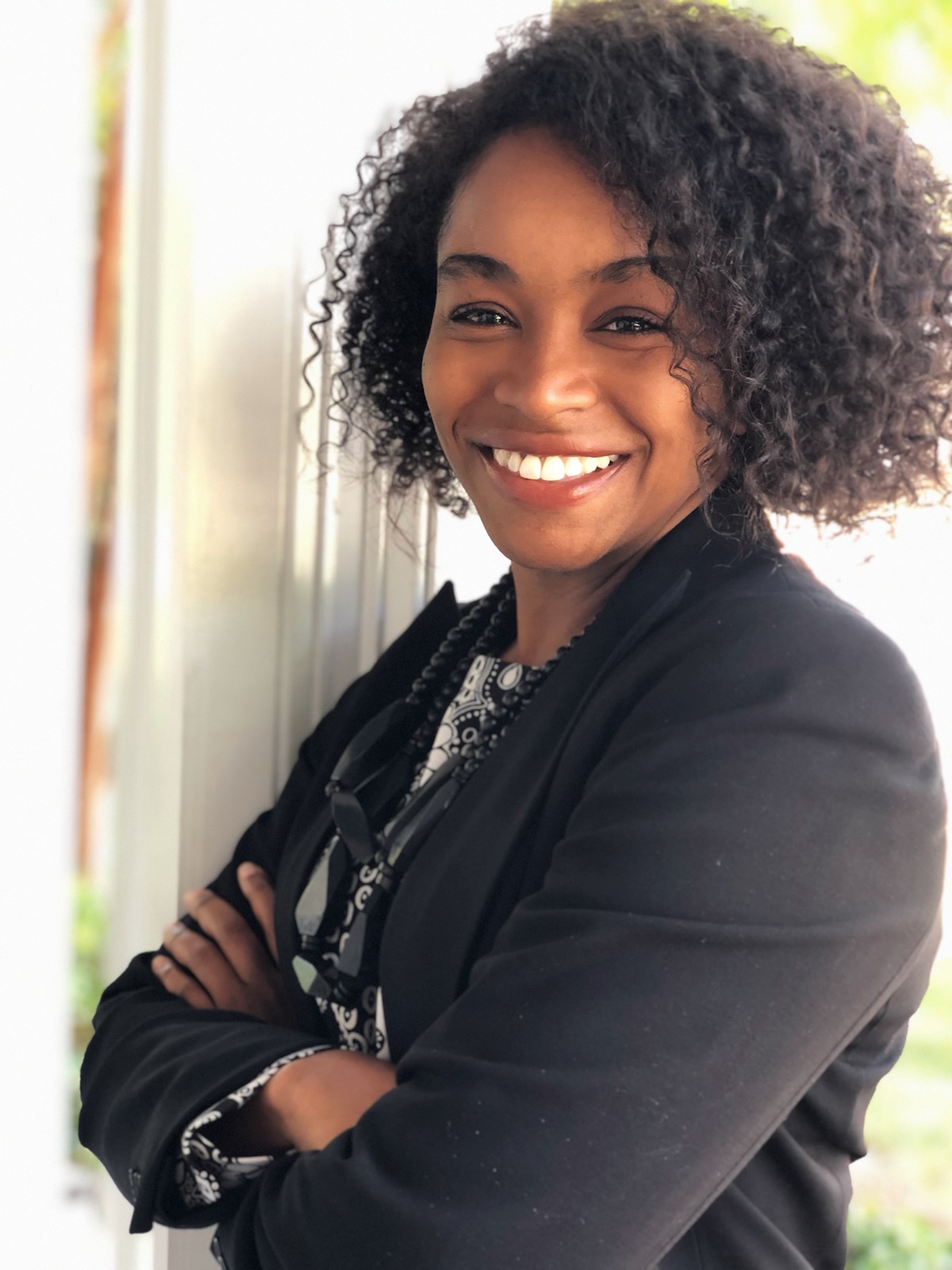
I answer the phone, and I hear my mother’s voice on the other end. She’s upset. “It’s your brother,” she tells me. I freeze. For the past seven years, my brother has been committed to a state mental hospital in Georgia. Immediately I fear the worst.
My mother tells me that she just heard from a staff member that there are sick patients on the same ward as my brother and they are not quarantined. The staff has only just started taking daily temperature readings and they are not required to wear masks.
My brother’s not sick, she says, but we must speak to someone about this.
By “this,” she means the abysmal conditions in mental illness institutions in the face of a global pandemic. “How can they do this?” she asks, sobbing. Her grown son who has suffered from paranoid schizophrenia for most of his life is now in greater danger and she can’t help him. Her inability to help him has plagued her since his diagnosis.
My brother first started showing symptoms in high school, devolving from a standout student and star running back to a withdrawn and often catatonic patient. My mother has been guilt ridden ever since.
“I can’t do this anymore. Will you be your brother’s guardian?” she asks.
Understand, becoming a guardian of a person with severe mental illness is not a decision to be made lightly. Even with the law on your side, the process is a complicated dance,
Guardianship can offer some sense of comfort. You are more likely to know where your loved one is sleeping, which medications they’ve been prescribed and if they have been actively participating in therapy. If they are caught in the criminal justice system, you are more likely to be kept in the loop and consulted about the case, including an opportunity to address the court.
Yet, in other cases, your guardianship may be wholly ignored. You will have to continuously advocate and remind mental health professionals that they must consult you.
Once, to our horror, guardianship of my brother backfired. Instead of being involuntarily committed due to his erratic and dangerous behavior, a judge saw that he had a guardian and released my brother based on the theory that there were people who could care for him. To make matters worse, the judge released him immediately. No one called to let us know. My mother was on the phone for days trying to figure out where he was. My brother turned up days later after having had to sleep on the street until he was able to gain his bearings and find his way home.
“Absolutely not,” I answer too quickly. When it comes to my questions about my brother, I have learned that I have a tendency to offer more than I have the mental or emotional capacity to give. I have to guard against the possibility of going down with my brother’s illness and sinking into a depression that renders me unrecognizable to myself and others.
Ten years ago, I would have said “yes” without hesitation. My mother is a senior who should be preparing for retirement, not taking care of a man who may never be able to take care of himself.
But what about me? Am I permitted to ask that question? Am I allowed to protect myself from a situation that triggers my own depression?
Currently, my brother is in an institution. And while that circumstance is not ideal, he is with the professionals who have the tools and skills to react should he try to venture out in the nude or refuse to eat and bathe for weeks at a time.
I possess no tools or skill sets, that would enable me to handle the daily challenges of caring for someone with severe mental illness. And my brother needs 24-hour eyeline care.
I have always relished the role of big sister, and I love my brother. But now that I am an adult, I have learned the need to set healthy boundaries. I can no longer run blindly to save the day, as I once did. When my mother can no longer take care of my brother, I will do what I can.
And I will not be alone. My other siblings are all adults now, too, and we can help each other. My brother potentially has an entire cadre of keepers who will make sure he is safe and well.
But even then, our task won’t be easy.
Currently the law makes it nearly impossible for caregivers to actually care for their loved one. That’s because Georgia has an imminence of harm standard that prevents families from getting help for their sick loved one until it can be shown that serious harm or death is imminent. That standard makes it nearly impossible for individuals who lack insight or experience anasognosia to get help until they hurt themselves or others. That hurdle is the main reason I am reluctant to become my brother’s primary caregiver; it effectively preempts any care I could offer.
When it comes to my brother, I will not take on more than I can handle, but that doesn’t mean I am not committed to the cause of mental health care reform. As an advocate, that means fighting to end the criminalization of mental illness and dismantle the legal barriers to treatment. That means shining a light on long-neglected solutions that would end the suffering for all people experiencing severe mental illness and their families.
I know the answer to the question: “Are you your brother’s keeper?”
Yes, I am.
Sabah Muhammad is legislative and policy counsel at the Treatment Advocacy Center.