

(February 12, 2019) The body’s immune response to a form of human herpes virus, known as Epstein-Barr, may be associated with schizophrenia according to research released late last year.
In December, this blog covered the role of infections and antibiotics overall in the development of schizophrenia. Researchers at Johns Hopkins Medicine and Shepard Pratt Health System in Maryland, including Treatment Advocacy Center board member Robert H. Yolken, MD, have taken a more targeted approach, highlighting an association with the Epstein-Barr virus (EBV).
EBV is exceedingly common, with more than 90% of the population already infected or likely to become infected over the course of their lives. People are usually unaware they have EBV, interpreting symptoms as a cold or just feeling under the weather. Especially in childhood, infected kids may feel no symptoms at all and will recover relatively quickly. In adulthood, symptoms typically last for a couple weeks, but can persist for months in severe cases. After symptoms subside, EBV remains latent in the body and is never truly eradicated. The virus also often leads to infectious mononucleosis, or mono—a familiar foe for children and young adults. Mono is primarily transmitted through saliva, granting its reputation as the “kissing disease.”
The study by Johns Hopkins Medicine and Shepard Pratt Health System employed over 700 participants; 432 of whom had schizophrenia and 311 whom did not. Researchers measured EBV antibody levels in each participant, as well as individual reactivity to molecules within the virus itself. Antibodies are molecules produced by an individual’s immune system that are specific to a particular foreign invader, such as a virus. Participants with schizophrenia were found to have higher levels of EBV antibodies than individuals without schizophrenia, suggesting the immune system’s handling of EBV exposure may be related to the debilitating brain disorder.
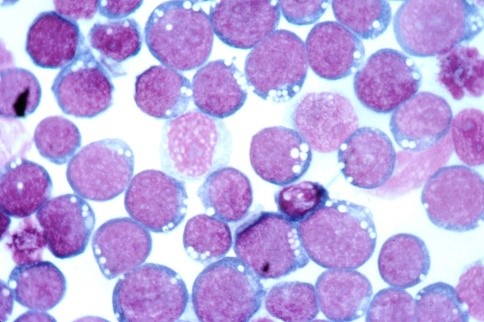
While individuals with schizophrenia had increased levels of EBV antibodies, their immune systems reacted aggressively to just one molecule found in EBV, known as viral capsid antigen (VCA). Individuals with schizophrenia had VCA antibody levels that were 1.7-2.3 times greater than those of the control group. Increased reactivity was not found, however, in response to another EBV molecule known as EBV nuclear antigen-1 (EBNA-1), or to other viruses in the human herpes virus family, like chicken pox.
In the general population, a low-level response to both proteins is expected following exposure to the virus. An elevated response to one protein, but not the other, signals an abnormal immune response within the population of individuals diagnosed with schizophrenia. The researchers note that previous studies have found abnormal EBV immune responses in individuals with autoimmune diseases such as multiple sclerosis and systemic lupus.
The researchers also explored the relationship between antibody response and genetic predisposition to schizophrenia. They found that higher levels of EBV antibodies had an additive effect on genetic predisposition to schizophrenia, increasing the existing risk associated with genetic markers for the disease. Individuals with both more antibodies and a genetic predisposition were 8.5 times more likely to be diagnosed with schizophrenia than individuals meeting neither condition.
As with previous investigations of infection and schizophrenia, the question of causality remains: does infection cause schizophrenia, or do the effects of schizophrenia on the immune system increase susceptibility to infection?.
The researchers cite the potential benefit of existing therapies designed to alter immune responses to EBV and encourage further investigation into the virus’ role in the development of schizophrenia.
· Dickerson, F., et al. (2018, November). Schizophrenia is associated with an aberrant immune response to Epstein-Barr virus. Schizophrenia Bulletin.

Jessica Walthall
Research and Advocacy Associate
Treatment Advocacy Center