

(May 23, 2018) Individuals who have been hospitalized with acute mania and given probiotic treatments have a reduced risk of rehospitalization, according to new research.
People with acute mania, a feature of bipolar disorder that is characterized as an abnormally elevated mood, are at significant risk for rehospitalization after hospital discharge even when receiving outpatient treatment. This is due to a heightened risk of re-occurring symptoms for patients who have an episode of mania requiring hospitalization.
New research published from Dr. Faith Dickerson, Ph.D., director of the Stanley Research Program at Sheppard Pratt Health System in Maryland, indicates that probiotics, a supplement containing healthy bacteria known to reduce inflammation and promote immune function, may help prevent rehospitalization in patients who have been hospitalized with acute mania.
Dr. Dickerson and colleagues conducted a randomized control trial of 66 patients hospitalized with acute mania from November 2012 to December 2016 at Sheppard Pratt, a large psychiatric health system in Baltimore, MD. Half of the patients received a probiotic supplement in addition to their psychiatric medication and other regularly-prescribed treatments. The study participants were monitored for 24-weeks following hospital discharge with weekly phone calls and monthly in-person visits to ensure compliance with the treatment regimen and assess participants' clinical outcomes.
Study results
The results of the trial are striking. Of the individuals who received the probiotic treatment, only 24% were rehospitalized during the follow-up period, compared to more than one-half of the individuals who did not receive the probiotic treatment. The study also reports that probiotic treatments had an even greater effect on individuals who have high levels of inflammation, due to the effect of the probiotic treatment in modulating the immune system through the gut-brain axis. For the individuals who had high levels of gastrointestinal inflammation at the start of the trial, probiotic treatment reduced their risk of rehospitalization by 90%.
In addition, individuals who received the probiotic treatment had significantly less days in the hospital during the follow up period compared to those who did not receive probiotics, a mean of 2.8 days compared to 8.3 days respectively. In total, individuals who received probiotics were hospitalized 93 days compared to 275 days in the control group.
"Previous studies have identified correlations between immunological abnormalities and mania, and this may contribute to the acute mood state," explained Dr. Dickerson. "We are excited by these results as probiotic supplements are highly acceptable to patients, low cost, and have few, if any side effects."
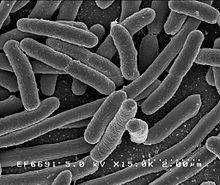
There were two strain of bacteria in the supplements given – Bifidobacterium lactis bb-12 and Lactobacillus rhamnosus. It is important to note that not all over-the-counter probiotics contain these strains or the stated number of microorganisms.
Although this randomized control trial had a limited sample size, the results are promising for people with bipolar disorder and other mental illnesses. A replication study is currently underway at the University of Texas. In addition, another probiotic treatment trial is underway at Sheppard Pratt focused on patients with bipolar depression. These trials are funded by the Stanley Medical Research Institute, a supporting organization of the Treatment Advocacy Center which is dedicated to support the development of practical methods of helping people with serious mental illness.

Elizabeth Sinclair
Director of Research
References:
- Dickerson, F., et al (2018, April). Adjunctive probiotic microorganisms to prevent rehospitalization in patients with acute mania: A randomized control trial. Bipolar Disorder.
The study was funded by the Stanley Medical Research Institute, a supporting organization of the Treatment Advocacy Center, whose mission includes promoting the development of innovative treatments for and research into the causes of severe and persistent psychiatric diseases.
The Treatment Advocacy Center does not solicit or accept funds from pharmaceutical companies.