

(May 9, 2018) As a continuation of our Mental Health Awareness series, this week's research blog magnifies the violence experienced by people with serious mental illness and how this victimization results in extreme marginalization and significant suffering for these individuals.
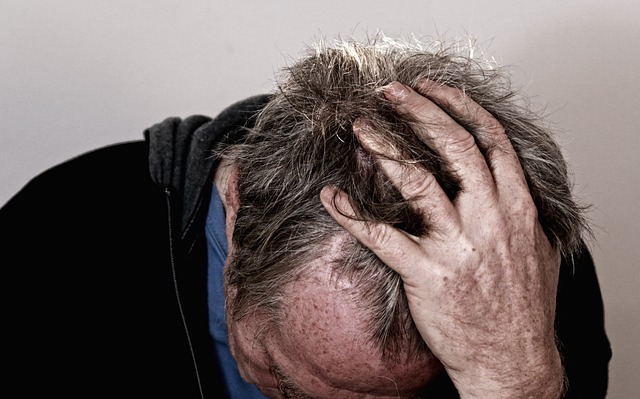 Violent victimization is the rule rather than exception among individuals with serious mental illness
The term violent victimization is used to describe those who are victims to violent acts such as assault or sexual violence, and individuals with serious mental illness experience it at rates significantly higher than the general population. A prominent study published in 2009 found that these rates are anywhere from 2.3-140.4 times higher for individuals with serious mental illness compared to others, depending on the location or time of study. Individuals with serious mental illness are at increased risk for a variety of reasons including unstable living conditions and increased social isolation. In addition, individuals with the most severe symptoms have even greater risk of victimization, indicating that the symptoms of mental illness itself may be a risk factor.
A recent study published in Psychiatry Research found that individuals experiencing first-episode psychosis were at 3.5 times greater risk of experiencing victimization compared to the general population. In addition, 10 years after experiencing this victimization, individuals with first-episode psychosis who had been victimized were more likely to be abusing alcohol and drugs or exhibit violent behaviors.
Individuals with psychotic disorders, including those with first-episode psychosis and those that develop schizophrenia, are extremely vulnerable to this type of suffering. The authors argue that a broader approach to recovery is needed among these patients that includes increased awareness and protection against factors that might lead to these vulnerabilities and increasing protective factors such as community support and housing.
More likely to be victims, but less likely to receive justice
A report released last month by the Ramsey County Attorney's Office in Minnesota found that individuals with mental illness who were victims of a violent sexual offence were significantly less likely to receive any justice compared to other victims.
This first-of-its-kind review of sexual assault cases from the time the incident occurs to the court processing revealed multiple areas for improvement, including those addressing victims with a mental illness, according to the report.
Of the total cases reviewed, 12.5% of the victims had a documented mental illness. Only 2.6% of those cases were eventually charged, compared to 37% of all cases. In almost half of the cases, no witnesses were interviewed besides the victim. In addition, the perception of belief of truth in the case was significantly lower for victims with a mental illness compared to those without.
"Victims/survivors who present as mentally-ill sometimes get a less thorough response from law enforcement," according to the report. "Law enforcement may discredit a [case] report by a mentally-ill person more quickly."
Recommendations were made to provide prosecutors with training on how to identify symptoms of mental illness and respond to the demeanor of the victims. In addition, police officers involved in the investigation of sexual assault cases also will have increased training on the handling of such cases.
Whether its law enforcement, legal representation or treatment providers, individuals who are supposed to protect, support and care for people with serious mental illness need to understand the role of victimization and suffering felt by these individuals. Otherwise, without increased awareness, acknowledgement, and attention, the invisible suffering will continue.

Elizabeth Sinclair
Director of Research
References:
- Langeveld, J. (2018, May). A 10-year follow-up study of violent victimization in first episode psychosis: Risk and protective factors. Psychiatry Research.
- Office of the Ramsey County Attorney. (2018, April 27). Ramsey County sexual assault systems review.