

(Dec. 12, 2017) It has been more than 100 years since the first known description of Toxoplasma gondii (T. gondii), by Nicolle and Manceaux in Tunis and Splendore in Brazil, both in 1908. A parasite commonly found in cat feces, if ingested or inhaled, T. gondii may cause an infection known as toxoplasmosis. The Centers for Disease Control and Prevention (CDC) estimates more than 30 million people in the United States have a T. gondii infection, the majority of whom are asymptomatic because of our natural immune system fighting the infection.
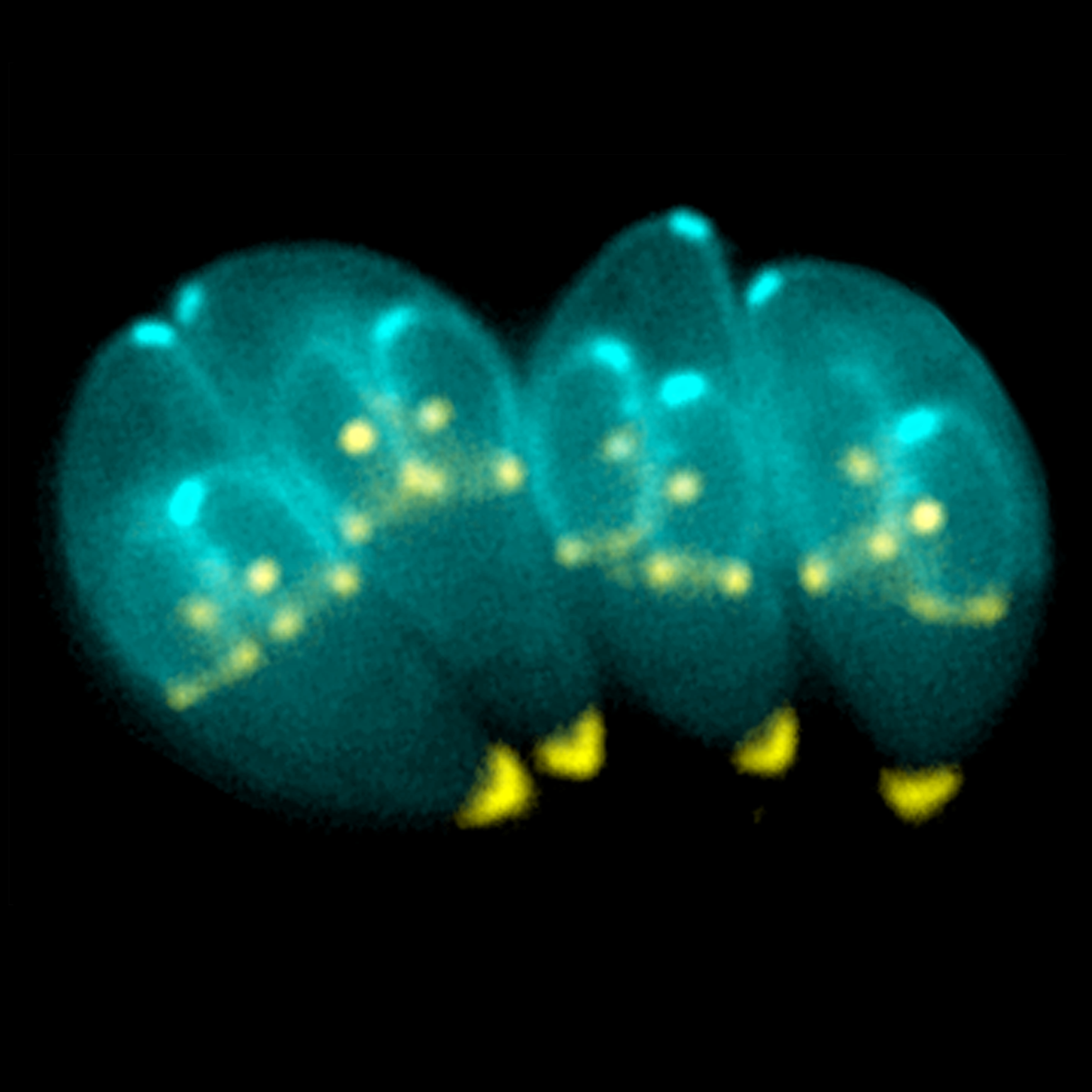
However, toxoplasmosis can cause devastating neurological damage to immunocompromised patients, especially to an unborn fetus in pregnant mothers. The warnings of pregnant mothers to avoid cat's litter boxes is the outcome of this.
Recently, new evidence has emerged for negative consequences of T. gondii infection outside of toxoplasmosis. This includes upsets to an individual's microbiome, an increased risk of suicide and neuroticism, among others.
The theory that T. gondii infection could be a cause of schizophrenia emerged in the 1990s. It has only been in recent years that this theory has received mainstream scientific attention. At the vanguard of this scientific breakthrough is the Stanley Medical Research Institute (SMRI), a nonprofit organization that has supported more than $550 million in research into schizophrenia and bipolar disorders in more than 30 countries worldwide.
SMRI Annual Meeting
Earlier this month, researchers conducting research funded by SMRI convened in Baltimore to share their research progress and scientific breakthroughs. E. Fuller Torrey, MD, who founded and directed SMRI for most of its history and continues to serve as the associate director of research, attended the meeting. Dr. Torrey is largely responsible for the initial breakthrough of the linkage between T. gondii and schizophrenia, and continues to serve as a well-respected expert on the topic.
T. gondii infection and recent onset psychosis
Despite the extensive epidemiological evidence between T.gondii infection and schizophrenia, recent research attempting to causally link the two has produced mixed results. New published research funded by SMRI and written by Robert Yolken, MD, Dr. Torrey and Faith Dickerson, MD, answers the confusion through a time-based evaluation of the linkage.
Dickerson and authors conducted a study of 2,052 individuals, 1,481 of whom had a severe psychiatric disorder, at Sheppard Pratt Health System in Baltimore, MD. They measured patient's exposure to T. gondii through blood levels of an immune response to the parasite, as well as the time of psychiatric evaluation from when the psychosis symptoms first presented.
Individuals with recent onset psychosis had more than a two-fold higher risk of having exposure to T. gondii, according to the study. Alternatively, individuals who already had a diagnosis of schizophrenia or bipolar disorder did not have an increased odds of having exposure to the parasite.
The findings indicate there is a strong association between T. gondii exposure and psychosis at early stages of the disease, but diminishes as the disease progresses, according to the authors. The results suggest a new method for evaluating and treating early onset psychosis in some individuals is needed.

Elizabeth Sinclair
Research Associate
References:
- Yolken, R. E., Torrey, E. F., & Dickerson, F. (2017). Evidence of increased exposure to Toxoplasma gondii in individuals with recent onset psychosis but not with established schizophrenia. PLOS Neglected Tropical Diseases.
SMRI is a supporting organization of the Treatment Advocacy Center, whose mission includes supporting the development of innovative treatments for and research into the causes of severe and persistent psychiatric illness. The Treatment Advocacy Center, which accepts no funding from pharmaceutical companies, also was founded by Dr. Torrey.