

(Oct. 12, 2017) More than 500 individuals with serious mental illness are currently behind bars in Texas waiting for a psychiatric bed.
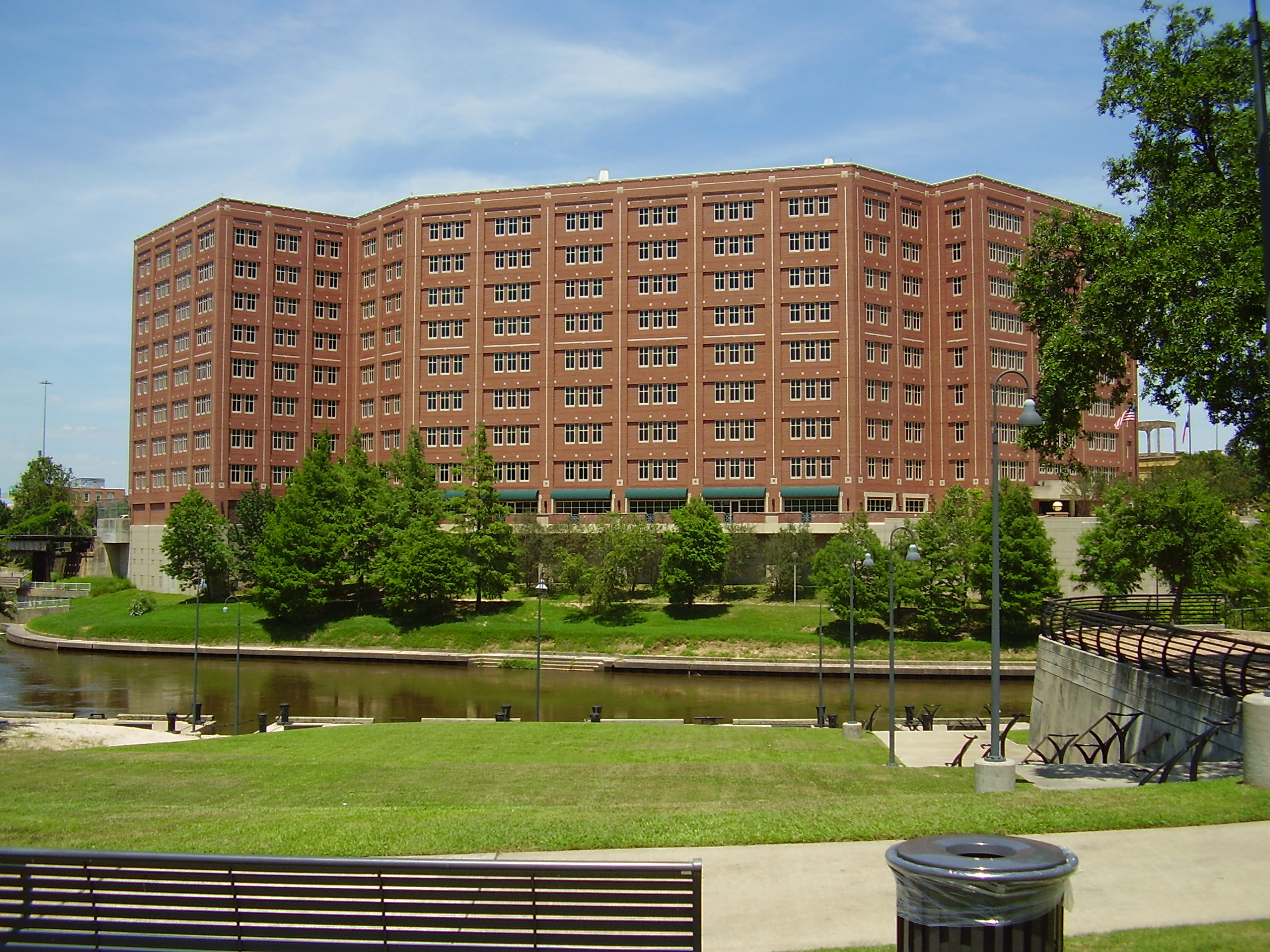
The lack of forensic beds in the state is not a new phenomenon, however, it has reached catastrophic levels in recent years, resulting in a ballooning waiting list that has left hundreds of mentally ill inmates languishing behind bars for months. Texas has lost 296 forensic beds since 1994, according to a recent article published in the Houston Chronicle, and the number of individuals who need them are growing (“Lack of beds for inmates needing mental health help,” Houston Chronicle, October 10, 2017).
According to the Harris County sheriff’s office, anywhere from 60 to 80 individuals can be found waiting for a bed in jail on any given day, costing taxpayers $295 per inmate, per day. With the shortest wait being 58 days and the longest 9 months, this amounts to a more than $30 million dollar problem.
"We're so far behind, it's frightening to think about if it's possible to catch up," Annale Gulley, the director of public policy for Mental Health America of Greater Houston, is quoted in the article. “This is a multi-system failure,” according to Gulley.
As the Treatment Advocacy Center has previously reported, small changes can have dramatic impacts on reducing bed demand and the amount of time spent on forensic waiting lists. The study found that in Texas, decreasing the average length of stay from 189 days to 186 days reduced forensic bed waits from more than two months to less than three days.
“Relatively small changes in common policy and practice could dramatically reduce pretrial bed waits and the mass incarceration of individuals with serious mental illness,” according to the Treatment Advocacy Center report, Emptying the ‘New Asylums’.
In fact, the Office of Research and Public Affairs, a department of the Treatment Advocacy Center, has worked with Texas state officials to further refine their data and come up with potential solutions. Among them was the potential for outpatient restoration services for low-risk offenders to reduce the number of individuals arriving into the jail in need of services.
There is no easy fix that will completely address the lack of treatment beds across the country, but we believe that our findings can at least help states make the problems they face more manageable.
More information about how to reduce forensic bed demand with relatively small changes, can be found in Emptying the ‘New Asylums’. Administrators and researchers may also contact the This e-mail address is being protected from spambots. You need JavaScript enabled to view it with questions.
by Elizabeth Sinclair