

(Sept. 5, 2017) Everyone talks about stopping the revolving doors of poor mental illness outcomes. Now a Pennsylvania psychiatric facility has demonstrated a winning approach to slowing one of them: rehospitalization.
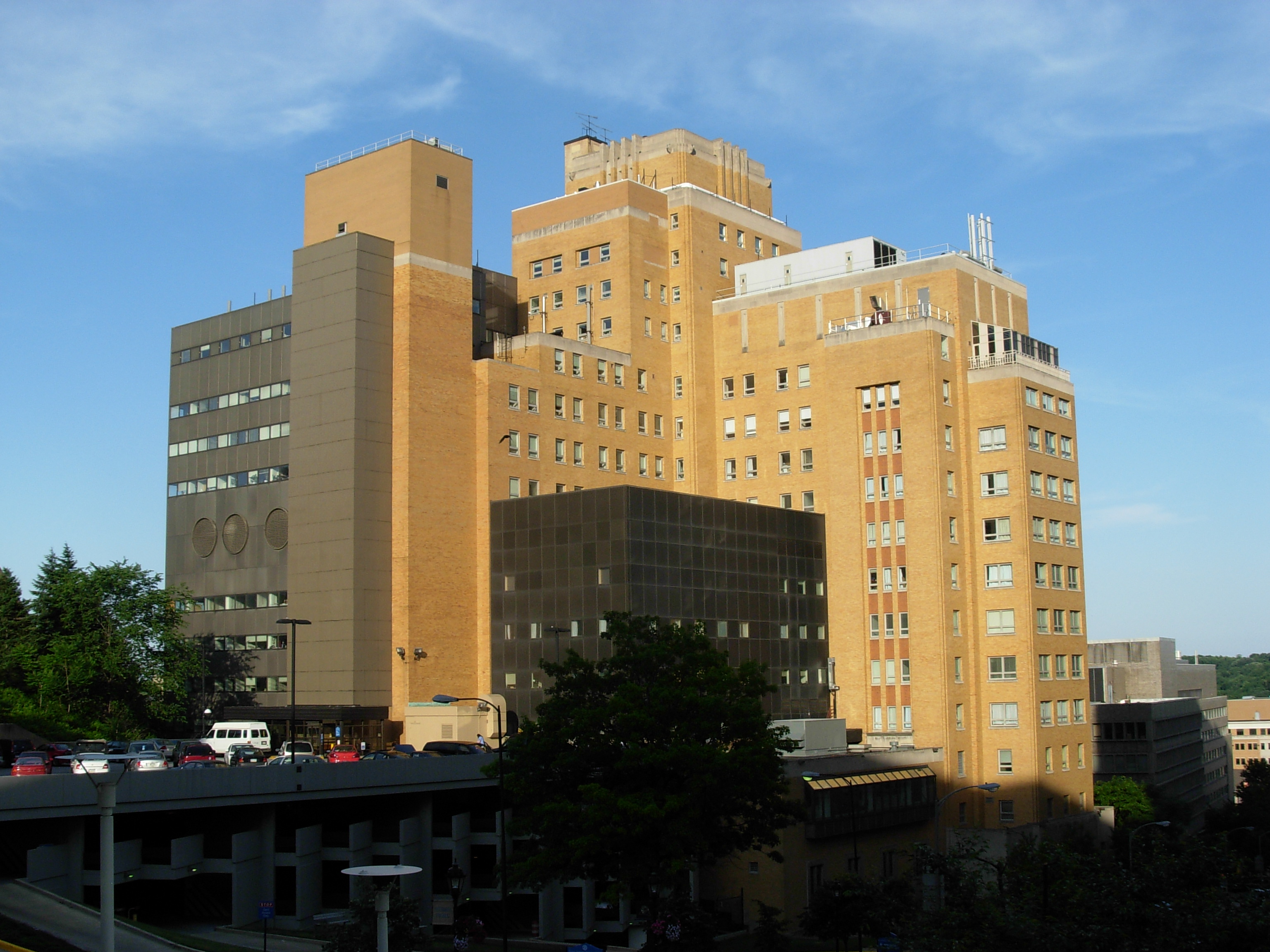
The Pennsylvania Psychiatric Institute in Harrisburg slashed its 30-day psychiatric readmission rate in half - from 20% in 2013 to 10.4% in 2015 - with a toolkit called the Discharge READY Program. The beneficiaries were high-risk patients with substance use risk or other co-morbidities, 40 or more outpatient visits per year and at least one inpatient or partial-hospitalization admissions.
Five Key Steps
The Agency for Healthcare Research and Quality (AHRQ) developed a model on which the READY program was based. The program incorporates five key steps:
- A nurse introduces inpatients at high risk for 30-day readmission to the program before being discharged.
- After agreeing to participate in the program, each patient is scheduled for five weekly phone calls by a nurse.
- The calls begin 48 to 72 hours after the patient goes home.
- During the calls, the nurse reviews discharge instructions and assesses any issues that might require additional support.
- Together, the nurse and the patient develop an action plan for each week.
In addition to reducing readmission to the hospital - a primary measure of outcome - the approach produced high patient satisfaction: Patients rated their experience as 9.21 out of 10, on average, from 2013 to 2015.
"Using the toolkit has been a win-win for everyone - patients, health care staff, and family members," Theresa Terry-Williams, the Institute's chief nursing officer, said in a case study published by AHRQ ("Pennsylvania Psychiatric Institute Slashes Readmission Rates with AHRQ-based Discharge Program," May 2017).
The regional benchmark for readmissions for behavioral health providers in the Northeast region of the country is 10.9%, the case study reported. The 30-day federal benchmark for readmissions is 10% or less. Prior to implementing the program, the Institute had a higher 30-day readmission rate than three other acute-care facilities in the region. The success of the program reduced its rate to below the federal benchmark.
Doris A. Fuller
Chief of Research and Public Affairs
References:
- Agency for Healthcare Research and Quality. (May 2017). Pennsylvania Psychiatric Institute Slashes Readmission Rates with AHRQ-based Discharge Program. US Department of Health & Human Services.
Follow ORPA on Twitter at @TACResearch.
Research Weekly is a summary published as a public service of the Treatment Advocacy Center and does not necessarily reflect the findings or positions of the organization or its staff. Full access to research summarized may require a fee or paid subscription to the publications.
To comment, please visit our Facebook page.