

(Aug. 8, 2017) Hospitalization for psychiatric symptoms is generally considered a "poor outcome" for patients.The reasoning is that people with serious mental illness end up hospitalized because the desirable outcome of stability in their home settings was not achieved. For communities, hospitalization is a costly outcome.
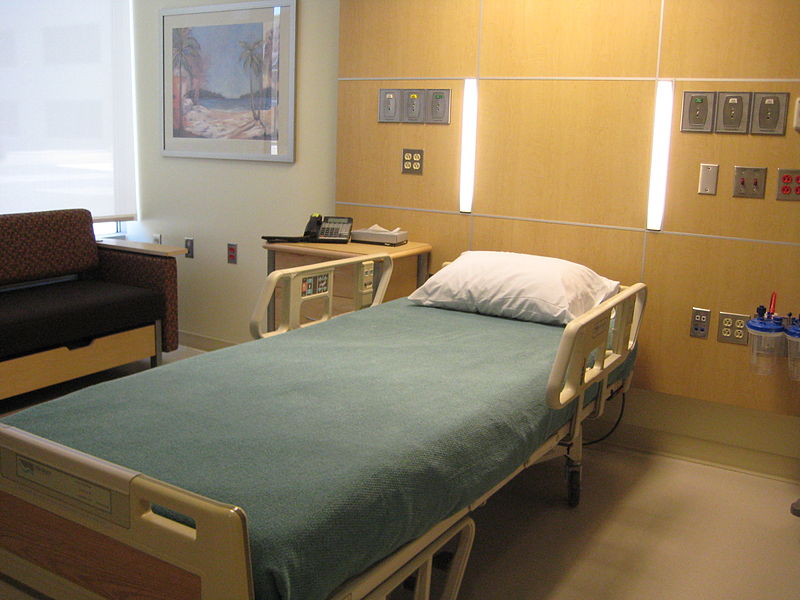 Reducing psychiatric hospitalization has thus become both a clinical and public policy goal, which makes a new analysis published in the August 2017 issue of Psychiatric Services of special interest.
Identifying Hospitalization Risk Factors
Carrie E. Andrews and colleagues examined the electronic medical records (EMRs) of 75 patients treated for a primary diagnosis of psychosis at two Baltimore, Maryland, clinics from 2013-2015. Their objective was to test the general principle that EMR data can answer clinical research questions and then to examine what could be learned from the EMRs about the influence of four specific clinical protective and risk factors for hospitalization for psychosis.
The factors were medication non-adherence, substance use, participation in psychiatric rehabilitation and long-acting injectable medication use in any given month. All four factors are routinely recorded in EMRs, which have increasingly been used in health care settings since the introduction of the Affordable Care Act. The researchers examined the EMRs to determine which of the factors, if any, were associated with hospitalization in the following month.
During the observation period, 25% of the patients were hospitalized. Of the four clinical factors, only medication non-adherence was significantly associated with increased risk for hospitalization, a finding consistent with other research.
"Our results demonstrate that EMR data may be used for research designed to answer questions of direct clinical relevance to a specific patient population or in a single clinic of modest size," according to the authors. By using EMRs to track medication non-adherence, patients at risk for hospitalization could be identified and targeted for more intensive outpatient care, with specific attention to changes that may improve adherence, they write.
Data to Improve Outcomes
Medication adherence data currently are collected primarily through analysis of electronic prescriptions and the filling of those prescriptions. This methodology does not capture missed doses, which are more common in psychotic disorders than other chronic medical conditions. Additionally, evidence suggests that physicians overestimate adherence.
For this study, the vast majority of the medication adherence data was derived from the EMR notes of therapists, who asked about and noted adherence information in patient records at every therapy appointment, avoiding missed data.
Hospitalization is the most intensive and expensive intervention for any medical condition. From 2005 to 2014, hospitalization for mental health/substance use conditions was the only category of hospitalization that increased in the United States. Schizophrenia and other psychotic disorders were the number two reason for hospitalization in the 18-44 age range.

Doris A. Fuller
Chief of Research and Public Affairs
References:
- Andrews, C.E. et al. (August 2017). Risk of hospitalization due to medication nonadherence identified through EMRs of patients with psychosis. Psychiatric Services.
Follow ORPA on Twitter at @TACResearch.
Research Weekly is a summary published as a public service of the Treatment Advocacy Center and does not necessarily reflect the findings or positions of the organization or its staff. Full access to research summarized may require a fee or paid subscription to the publications.
To comment, please visit our Facebook page.