

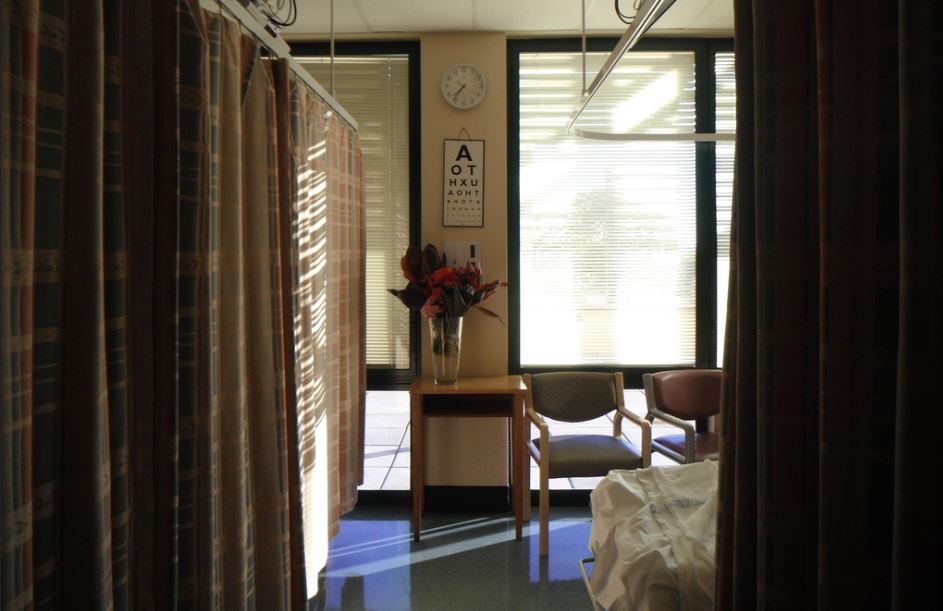
 (Aug. 3, 2017) Few places are as stigmatized as the psychiatric ward. Negative images abound: a haunted psych ward theme park ride, a fearsome image of a patient strapped to a hospital bed in a horror film or people dressed in insane asylum costumes for Halloween.
Nate Morris, MD, a psychiatry resident at Stanford University School of Medicine, writes about the significant misunderstanding of what happens in inpatient psychiatric units, clarifying that “these are places where patients put their lives back together, picking up the pieces torn apart by such illnesses as depression, bipolar disorder and schizophrenia.” ("‘Psych wards’ aren’t what you think. I’ve seen lives saved there," Washington Post, July 23, 2017)
Morris writes he first fell in love with psychiatry as a medical student working in inpatient mental health care. Now, as a psychiatry resident, he witnesses the triumph of successful psychiatric care every day. Inpatient psychiatric units are part of the full continuum of care for individuals with serious mental illness, which also includes psychiatric medications and outpatient treatment. Inpatient hospitalization remains the last resort treatment option for individuals with the most severe psychiatric conditions who need intensive care and is equivalent to the cardiac intensive care unit (ICU) for heart patients.
Yet cardiac ICUs are not routinely featured as theme park attractions.
Morris stresses the value of familiarizing the public about psychiatric care, realities of current mental health treatment and hope for the future. “We can ask ourselves what might it be like to feel desperate, tormented and alone. We can work together toward better care for these patients, to ensure days filled with poetry and flowers rather than chains and neglect. We can wonder what lies behind those secluded hospital doors.”
The Treatment Advocacy Center is dedicated to eliminating the barriers to the treatment of serious mental illness. The first step in this process is awareness and understanding. According to Morris, “when it comes to mental illness, we all make choices.… We can be afraid of psychiatric units, dress up like patients for Halloween and scream at asylums in horror movies. We can shrug at the decline of mental-health services and let funding fall by the wayside, ignoring the plight of millions of Americans. Or we can decide to learn more.”
You can help to change the conversation around serious mental illness through education and advocacy. Learn more about the issues surrounding serious mental illness. Stay informed by subscribing to the Treatment Advocacy Center’s e-news.
(Photo: RubyGoes/Flickr)