

(July 18, 2017) Another year, another drumbeat of reports on the heavier burdens that racial and ethnic minorities experience when they have serious mental illness.
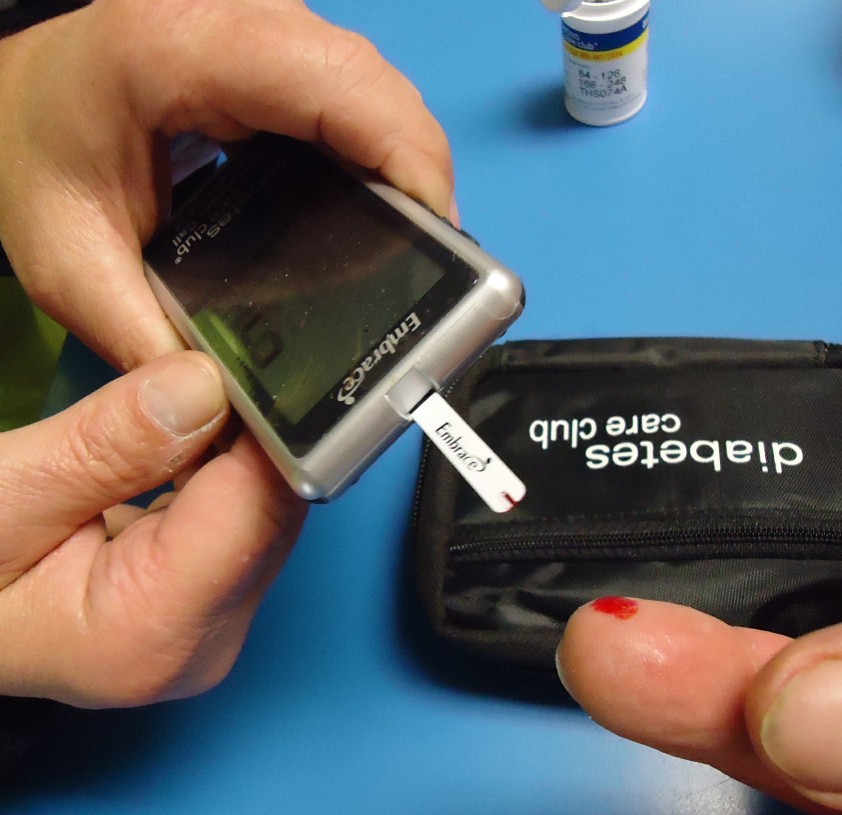 Just published during this July 2017 National Minority Mental Health Awareness Month: The largest study ever on racial-ethnic differences in diabetes found that blacks and Hispanics with mental illness were twice as likely as whites to develop diabetes.
Diabetes occurs in an estimated 8.4% of the general population and 15% of people with serious mental illness. Among minority populations (e.g., blacks, Hispanics, Asians and others), the study found the estimated overall diabetes prevalence was 27.8%, with the highest rate being among blacks and Hispanics at 29.7%.
"Double Jeopardy"
"Double jeopardy" is what Christina Mangurian and colleagues called the situation of nearly 20,000 California public mental health care clients who were members of a racial-ethnic group and had severe mental illness in 2009.
"The high diabetes prevalence is concerning because health care disparities are well documented for both racial-ethnic minority populations and populations with severe mental illness, making this subpopulation at especially high risk for disparities in care," the authors wrote.
As a first step, the authors recommended system-wide efforts to improve diabetes screening among all individuals with serious mental illness. Screening would likely be improved by integrating primary care into public mental health, they said, but "regrettably, evidence-based models to integrate primary care into behavioral health care have not yet been developed."
The discouraging report on minority populations and diabetes comes a few months after publication of a study of 215,000 mental health clients reporting that mental illness treatment access was worse for racial-ethnic minorities than for whites - and the gap between the groups was widening.
Benjamin Lê Cook and colleagues said, "disparities in mental health care remain wider than in most other areas of health care services, and mental illness remains as one of the highest health burdens for minority populations."
Other research in recent years has reported:
- Almost without exception, race and ethnicity significantly reduce the likelihood of being diagnosed and treated for psychiatric disease (K.J. Coleman et al., in 2016).
- Blacks are significantly less likely than whites to receive follow-up or treatment within 30 days of hospital discharge (N.J. Carson et al., in 2014).
Many explanations are offered for such disparities, but none has been established. In National Minority Mental Health Awareness Month 2017, we remain only aware of the differences and dual disabilities and discrimination associated with mental illness and being part of a minority, not the solutions.

Doris A. Fuller
Chief of Research and Public Affairs
References:
- Mangruian, C. et al. (1 July 2017). Diabetes prevalence among racial-ethnic minority group members with severe mental illness taking antipsychotics: Double jeopardy? PS in Advance.
- Lê Cook, B. et al. (1 January 2017). Trends in racial-ethnic disparities in access to mental health care, 2004-2012. Psychiatric Services.
- Coleman, K.J. et al. (15 April 2016). Racial-ethnic differences in psychiatric diagnoses and treatment across 11 health care systems in the mental health research network. PS in Advance.
- Carson, N.J. et al. (1 July 2014). Quality of follow-up after for mental illness among patients from racial-ethnic minority groups. Psychiatric Services.
Follow ORPA on Twitter at @TACResearch.
Research Weekly is a summary published as a public service of the Treatment Advocacy Center and does not necessarily reflect the findings or positions of the organization or its staff. Full access to research summarized may require a fee or paid subscription to the publications.
To comment, please visit our Facebook page.