

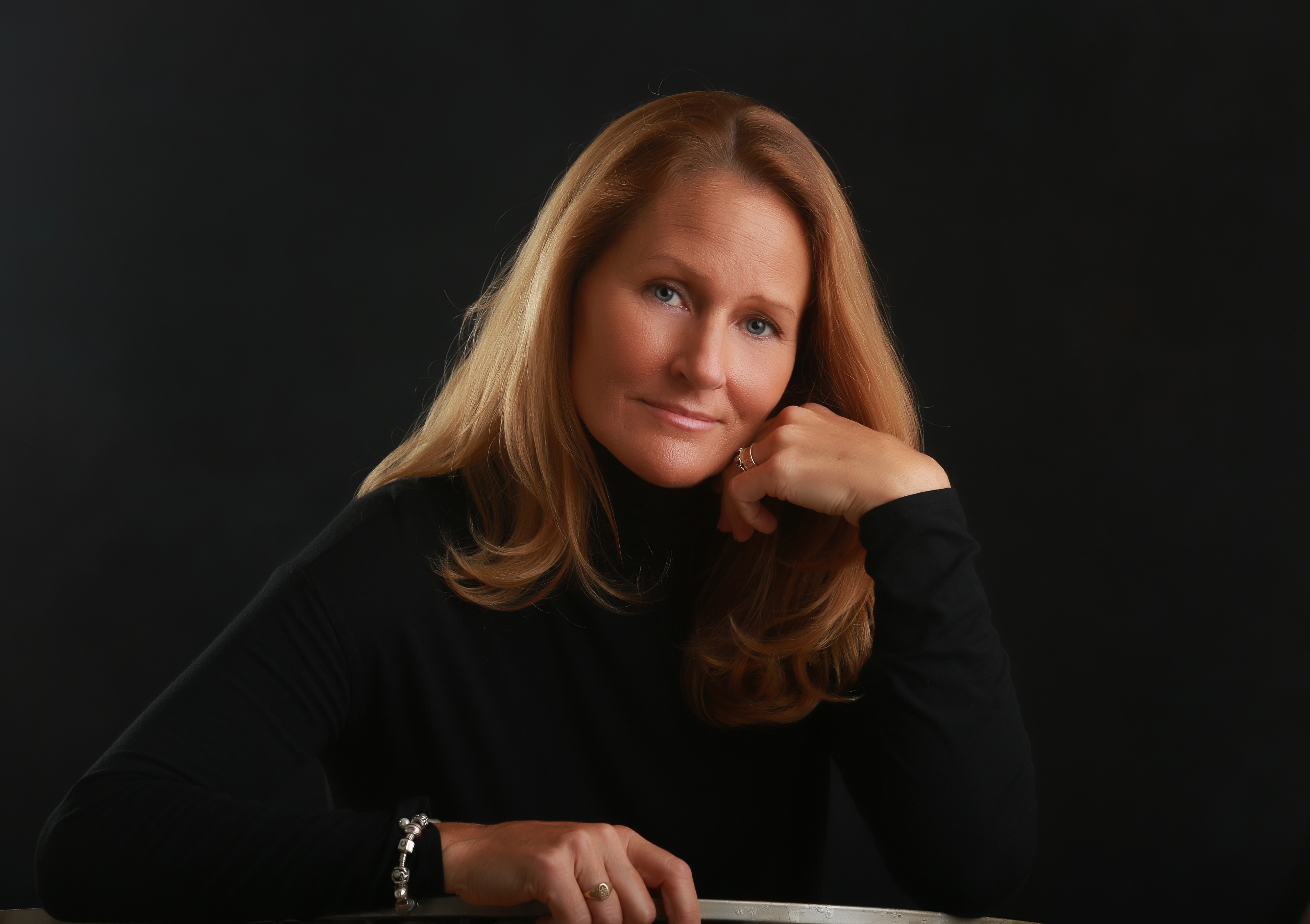
 (July 6, 2017) We have all experienced tragedy in our lives. I had my share as a child, including the loss of my mother and my father’s alcoholism and brief psychotic episode. Partly as a practical matter of survival, I married and had children at a very young age. Psychiatric nursing was my career choice to provide for my family, as I felt comfortable working with people afflicted by mental illness and addictions. It soon became clear to me while working on an inpatient psychiatric unit that the “system” was really failing a significant subset of my patients; those lacking insight and awareness of their illness, a condition known as “anosognosia.”
I do not mean the psychiatric nurses, doctors and therapists were failing their patients. I mean the network of barriers and procedures, agencies and laws that ultimately hindered many with serious mental illness from obtaining timely treatment, or relegated them to an endless cycle of non-compliance and hospitalization or incarceration.
I had no idea as a new nurse that the patients I took care of were the lucky ones. After all, they were receiving treatment for their illnesses, would improve and be discharged. It was only when I witnessed them returning repeatedly, having discontinued their medications and deteriorated significantly, that I wondered what in the world was going on. I learned that in our small town, services were not comprehensive. Some of our patients received outpatient treatment, but only if they complied with it. If they had anosognosia, straying from the treatment programs and failing to show up for appointments, they were discharged from the program and on their own. No one would go in search of these patients, and there was little supervision in the community.
When the community hospital where I worked for five years closed its psychiatric unit in 2003, I went to work in the emergency room (ER). There I saw my same patients frequently admitted and often discharged to the street because no psychiatric bed could be found.
I left the ER and went to work at a local jail where I was employed as a “jail therapist.” It was appalling to witness the confinement of psychotic individuals in solitary cells, often arrested for no more than trespassing. My job was to monitor the deterioration of these individuals, and refer them to the state hospital when they met the commitment criteria. I listened to frantic, frustrated, humiliated and often grateful family members pour their hearts out about the often insurmountable difficulties they faced trying to obtain treatment for their loved ones.
I did everything I could to try to help those incarcerated sick people. Sometimes it was as little as giving a young man a sheet of paper and a pen so that he could draw instead of staring at the ceiling. I wrote a journal-cited essay for my supervisors and administrators who had no mental health training or background so they could understand the damage being done to young minds as we waited for them to decompensate. I wrote letters of support for any community initiative being considered that would help. I even contacted newspapers and tried to tell my stories, but no one was interested. I lasted two years there and finally left when it was apparent my recommendations were falling on deaf ears.
Although I do not have a family member who suffers in this bizarre maze of inadequate services, I care deeply about those who are unable to advocate for themselves. As I became more involved in advocacy, I reached out to the Treatment Advocacy Center, read Dr. E Fuller Torrey’s excellent books, and sought out and joined advocacy groups. It has been my utmost pleasure to work with them these past three years, attending federal sub-committee meetings and testifying before the Virginia general assembly. I look forward to becoming an even stronger advocate as we continue to do the vital work required to help those left out in the cold.
AMANDA WOODWARD
AMISSVILLE, VIRGINIA