

(Nov. 9, 2016) America's dire psychiatric bed shortage is not news - the Treatment Advocacy Center has been reporting on the shrinking bed supply for nearly a decade - but it is increasingly making news. A growing number of researchers, professional and advocacy organizations and others are now detailing the many ways a shortage of beds for America's most ill psychiatric patients impacts the patients, communities, health systems and taxpayers.
A number of studies and surveys released in recent weeks add new data and viewpoints on the situation. Among them were the following.
"Emergency Department Boarding: Nowhere Else to Go"
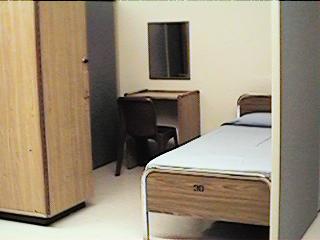
The American College of Emergency Physicians (ACEP) in October released results of a new survey of 1,700 emergency-room doctors assessing the prevalence of holding patients in the emergency department (ED) - a practice called "boarding". Nearly 1 in 2 said at least one psychiatric patient is boarded in their emergency rooms every day. About 1 in 5 said patients wait from two to five days for a hospital bed.
"The emergency department has become a dumping ground for patients who have been abandoned by every other part of the healthcare system," Rebecca Parker, president of ACEP, said.
In its November issue, Psychiatric Services devoted more than 20 pages to studies involving psychiatric hospitalization, including two articles directly addressing psychiatric bed shortages.
- Marvin S. Swartz, MD, set the tone for the issue with an essay referring to the "growing scourge of patients with severe mental illness stacking up in general EDs." In "Emergency department boarding: Nowhere else to go," Swartz termed bed shortages and boarding "the canary in the coal mine" of the US mental health system. He suggested that ED boarding times represent a "simple metric" for measuring the adequacy of psychiatric bed supplies.
- Joseph L. Smith and colleagues analyzed almost 29 million "patient encounters" in Florida EDs from 2010-2013 to conclude that "extended" stays in Florida emergency rooms are "endemic." Patients who were dangerous to themselves or diagnosed with schizophrenia or mood disorders, including bipolar, were found to wait the longest for treatment, "likely because patients with these disorders required a transfer" for hospital admission, the researchers found.
- Nearly 40% of the psychiatric patients in the study sample stayed in the ED for at least six hours. "It appears that individuals who required the most intensive inpatient intervention were forced to wait several hours before this care can be provided," they said. Age, race/ethnicity, hospital size and ownership, and rurality all were found associated with how long patients waited.
Beds, Jails and Suicide
In Social Science & Medicine, Jangho Yoon and Jeff Luck of Oregon State University analyze the economic impact on jail costs when states invest in the mental health beds. They found a "positive spillover benefit," with every extra dollar spent on public inpatient treatment reducing inmate populations enough to produce 25 cents of savings to the state's jails by reducing jail populations. Increased spending for community-based services did not show the same effect.
"Our results suggest that states whose policy aim is to reduce jail populations by expanding mental health services preferentially direct increased expenditure toward inpatient mental health rather than outpatient-based community health," they concluded. Their findings, they said, "inform the ongoing national debate about reducing avoidable incarceration."
And, in the Journal of the American Medical Association, Tarun Bastiampillai and colleagues propose that the accelerating increase in US suicide rates may be associated with the "critical decline in psychiatric beds."
"A safe minimum number of psychiatric beds is required to respond to suicide risk given the well-established and unchanging prevalence of mental illness, relapse rates, treatment resistance, nonadherence with treatment, and presentations after acute social crisis," write the authors, who include Steven S. Sharfstein, a member of the Treatment Advocacy Center Psychiatric Advisory Board. "Very limited access to inpatient care is likely a contributing factor for the increasing US suicide rate."
Using data from the Organization for Economic Cooperation and Development, they contrast the plunge in total psychiatric beds from 34 per 100,000 people in 1998 to 22 per 100,000 in 2013, with the rise in the suicide rate from 10.5 suicides per 100,000 people in 1999 to 13 deaths per 100,000 in 2014.
"The national US suicide prevention strategy should include a necessary minimum number of psychiatric beds for patients at risk of suicide," they conclude. "There is a need for more acute psychiatric beds in general hospital and in public mental health hospitals to provide immediate access to 24-hour care for both patient safety and stabilization."
Next week, our Office of Research and Public Affairs makes its latest contribution to the national beds conversation with the publication of "Released, Relapsed, Rehospitalized: Length of Stay and Readmission Rates in State Hospitals, a Comparative State Survey."
A copy of the study will be sent to your mailbox Monday morning.

Doris A. Fuller
Chief of Research and Public Affairs
References:
- Castellucci, M. (17 October 2016). ER wait times, length of stay far longer for psychiatric patients. Modern Healthcare.
- Swartz, M.S. (November 2016). Emergency department boarding: Nowhere else to go. Psychiatric Services.
- Smith, J.L. et al. (November 2016). Correlates of length of stay and boarding in Florida emergency departments for patients with psychiatric diagnoses. Psychiatric Services.
- Yoon, J. & J. Luck. (18 October 2016). Intersystem return on investment in public mental health: Positive externality of public mental health expenditure for the jail system in the US. Social Science & Medicine.
- Bastiampillai, T. et al. (online in advance of 27 December, 2016). Increase in US suicide rates and the critical decline in psychiatric beds. Journal of the American Medical Association.
Next Week: Short Hospital Stays: The "Other" Effect of Deinstitutionalization
Research Weekly is a summary published as a public service of the Treatment Advocacy Center and does not necessarily reflect the findings or positions of the organization or its staff. Full access to research summarized may require a fee or paid subscription to the publications.
To comment, visit our Facebook page.