

(Oct. 20, 2016) The Diagnostic and Statistical Manual of Mental Disorders (DSM), now in its fifth edition, has been the bible of mental illness diagnosis since the 1950s. As technologies have emerged that make neurological, genetic and other biological assessments possible, the usefulness of a diagnostic system that relies entirely on observed signs and symptoms to diagnose psychiatric disease has come under increasing fire, equated to diagnosing heart attack by describing chest pain.
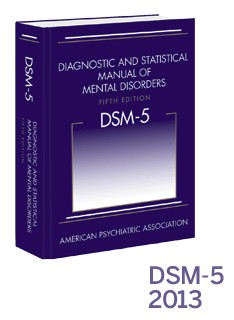
In an April 2016 report to the American Journal of Psychiatry, a team of researchers from six US universities reports on their use of statistical modeling to integrate behavioral markers of psychosis with biological markers that can be identified and measured. The result was identification of three distinct "biotypes" of psychotic disease that are neurologically distinct from one another but do not conform to DSM criteria for the same diseases.
"The biotype subgroups were superior to DSM diagnostic classes," the authors found, suggesting that biotypes are superior for capturing distinctions among psychotic disorders.
Describing Biotypes
The biotypes Brett A. Clementz, PhD, and colleagues describe in "Identification of distinct psychosis biotypes using brain-based biomarkers" were derived from six different measures of brain function known to be relevant to psychosis and functional brain activity (e.g., cognitive function or the speed of pupil movement in response to visual stimulation). Close to 1,900 individuals, including patients (711), first-degree relatives (883) and demographically comparable healthy subjects (278), participated in the study at six different US sites.
Among the findings reported:
- Three biotypes with "distinctive patterns of abnormality across biomarkers" were identifiable on the spectrum of psychotic disorders (bipolar disorder with psychosis, schizoaffective disorder, schizophrenia)
- Patients with psychosis were twice as likely to match with their biotype classification than with the DSM diagnostic group to which they were assigned
- Biomarkers have "substantial" similarity within families. Patterns of deviation from typical neurological response (e.g., reaction to sensory stimulation) found in psychotic patients also were found in first-degree relatives
- Schizophrenia and schizoaffective disorder were indistinguishable by brain anatomy.
"The biotype outcome provides proof of concept that structural and functional brain biomarker measures can sort individuals with psychosis into groups that are neurobiologically distinctive and appear biologically meaningful," the authors concluded.
Practical Implications
Patients, families and even clinicians struggle constantly with the limitations of diagnostic classifications based on behavior alone. Significant medication and other treatment decisions that can determine the course and outcome of psychiatric disease are guided by the DSM without consideration for the neurobiology underlying the diseases.
In 2012, the National Institute of Mental Health launched what it calls the Research Domain Criteria or "RDoC" project to fund research approaching serious mental illness from multiple dimensions: behavior, thought patterns, neurobiological measures and genetics. Its immediate aim was not to develop a new diagnostic system, but then-director Thomas Insel said at the time he expected that RDoC would ultimately transform clinical practice by providing a basis for more precise diagnosis.
The biotype report of Clementz and colleagues illustrates the potential of such an approach by offering a more holistic and comprehensive approach to classifying serious mental illness and thus, ultimately, to treating them effectively.

Doris A. Fuller
Chief of Research and Public Affairs
References:
- Clementz, B. A. et al. (April 2016). Identification of distinct psychosis biotypes using brain-based biomarkers. American Journal of Psychiatry.
Next Week: What Precision Medicine Holds for Mental Illness
Research Weekly is a summary published as a public service of the Treatment Advocacy Center and does not necessarily reflect the findings or positions of the organization or its staff. Full access to research summarized may require a fee or paid subscription to the publications.
To comment, visit our Facebook page.