

(Aug. 17, 2016) AL.com examines Alabama’s mental health crisis in “Front Line on Mental Health”— a months-long investigation revealing how cuts in mental health funding have resulted in devastating consequences for people with mental illness in the state and left law enforcement and corrections staff scrambling to pick up the pieces of a broken mental health system.
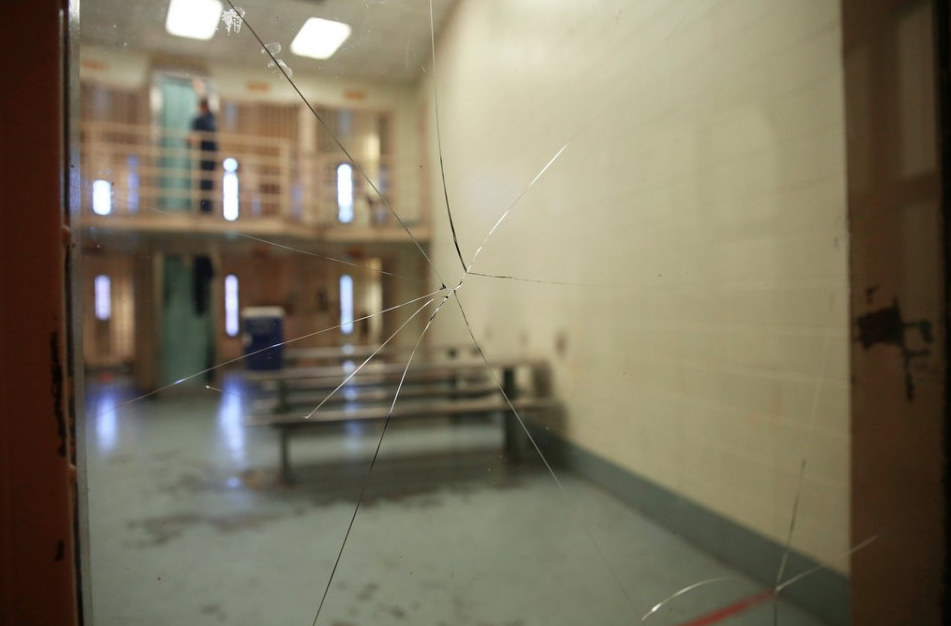 Grappling with a severely limited number of public psychiatric beds, the Mobile County Sheriff’s Department is considering expanding its jail to better accommodate inmates with mental illness (“As Alabama shuts down psychiatric hospitals, one jail is expanding to house mentally ill,” AL.com, Aug. 15).
Sheriff Sam Cochran and Warden Trey Oliver say the increasing number of inmates with mental health issues are creating extra expenses and safety concerns.
The jail had 768 inmates with mental illness in 2010, a figure that "almost doubled" to 1,278 in 2013, Oliver said. The increase is no doubt correlated with the closing of Searcy Hospital — the closest mental health hospital to Mobile — amid state budget cuts in 2012.
Now, there is only one remaining state psychiatric hospital that provides long-term care for the mentally ill.
The state has instead shifted its focus onto community-based programs, but sheriffs throughout Alabama have contended that community-based care is an inadequate replacement for inpatient psychiatric treatment, and the burden for mental health care too often falls to deputies and jailers.
"We just have two different jobs and two different perspectives,” Sheriff Cochran said. “They claim the needs in the community are taken care of. We claim, 'why is it that we see more mentally ill people in jail?'"
Oliver said there have been "over 900 inmates" with a mental illness come through the Mobile County jail so far in 2016.
In the past six years alone, Alabama has eliminated a whopping 65 percent of its public psychiatric hospital beds, leaving a huge gap in care for people with severe mental illness in the state.
When the mental health system fails, as it has in Alabama, police and corrections personnel become the front line in dealing with those with mental illness. This is unfair and unsafe.
The criminal justice system is not an adequate replacement for comprehensive psychiatric care. We need to ensure Alabama residents with mental illness get treatment before a crisis occurs by providing #aBedInstead.
Read the 2016 Treatment Advocacy Center and Public Citizen report, “Individuals with Serious Mental Illnesses in County Jails: A Survey of Jail Staff’s Perspectives,” to learn more. And visit #aBedInstead for more information about our campaign to address the national psychiatric bed shortage.
To comment, visit our Facebook page.
Visit our blog archive to read all our recent posts.