

(July 25, 2016) In an outrageous example of the criminalization of mental illness in this country, a 25-year-old, bipolar, rape victim was incarcerated in a Texas jail for nearly a month to ensure she testified against her accused rapist (“Bipolar rape victim jailed after having a mental breakdown while testifying against rapist,” the Washington Post, July 21).
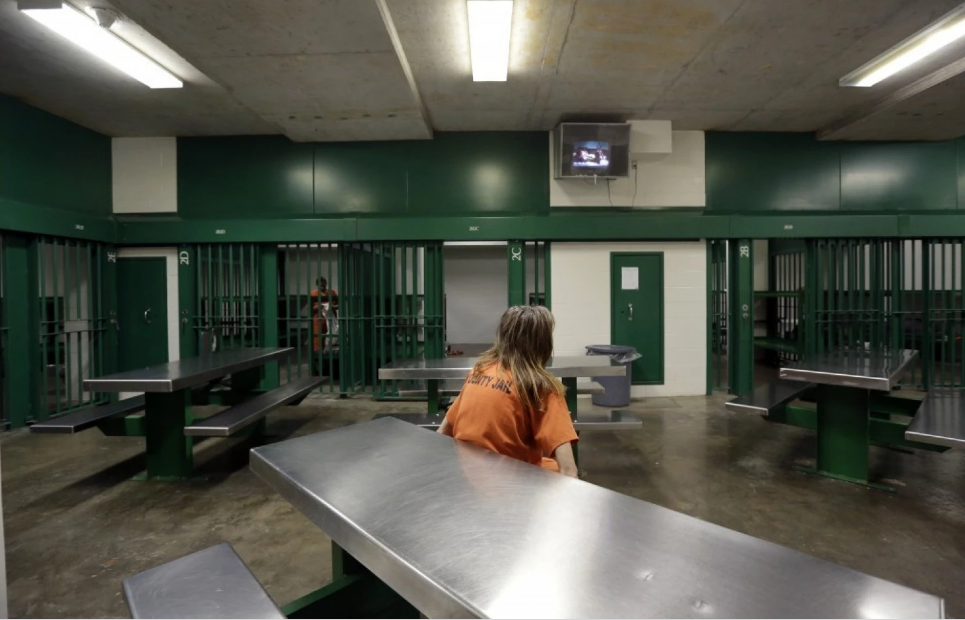 Halfway through recounting the horrible details of her rape, the woman—known by the alias “Jane Doe” to preserve her anonymity—began crying and rambling incoherently while on the witness stand in a Harris County courtroom last December, according to court documents.
Disoriented, she stood up and ran screaming out of the courtroom. She was involuntarily committed to a psychiatric hospital to stabilize.
“We all agree she needed to be treated for mental instability,” her lawyer Sean Buckley told The Washington Post in a phone interview last week.
But after Doe was discharged from the hospital, she was thrown in jail for 28 days.
According to a lawsuit filed last week against the Harris County district attorney’s office, Doe was accidently classified as having committed a sexual crime during processing and placed in the general population at the county jail, even though the jail had a mental health unit.
During her 28 days there, Doe was attacked and given a black eye by another inmate, denied medication to treat her mental illness and punched in the face by a guard.
Harris County district attorney Devon Anderson released a statement saying she fully supports the decision to hold Jane Doe in jail.
“If nothing was done to prevent the victim from leaving Harris County in the middle of trial, a serial rapist would have gone free, and her life would have been at risk, while homeless on the street,” Anderson said.
But not everyone agrees.
“It’s astounding to me [this] could have happened,” said KPRC legal analyst Brian Wice. “At the end of the day she received less due process, less protection than the rapist did.”
The way Jane Doe was treated in this case is unconscionable. Jails and prisons are the worst environments for those suffering with serious mental illnesses.
The most ideal, logical alternative would have been for Jane Doe to remain in the psychiatric hospital long enough for her to fully stabilize and agree to complete her testimony.
The fact that a bipolar, rape victim who had not committed a crime was incarcerated for nearly month goes to show how far we still have to go in the battle against the criminalization of mental illness in the United States.
Visit #aBedInstead to learn more about the Treatment Advocacy Center's psychiatric bed campaign.
To comment, visit our Facebook page.
Visit our blog archive to read all our recent posts.