

(June 6, 2016) A new investigative series from the Minneapolis Star Tribune examines the phenomenon of law enforcement being pushed to the front lines of a growing mental health crisis and the record number of fatal encounters that have occurred as a result (“When Aid Turns Deadly,” Minneapolis Star Tribune, June 5).
Today’s installment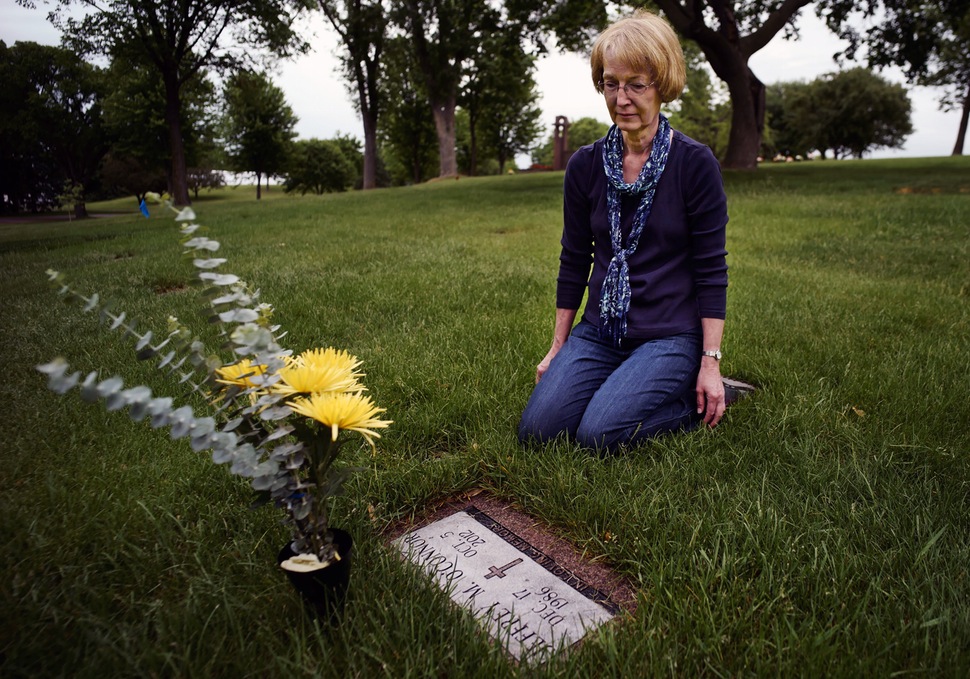 follows Minnesota mother Beckie O’Connor as she fights to change the way police are trained for mental health calls.
“I’m Beckie, and my son was 25,” O’Connor tells a grief support group at her local church every week. “The police shot him.”
In the three years since she lost her son, Jeff, O’Connor has dedicated herself to trying to reform Minnesota police departments. Like most states, Minnesota doesn’t require police officers to undergo mental health crisis training.
O’Connor believes that better training—specifically, crisis intervention team (CIT) training—would have prevented Jeff’s death and could prevent future preventable tragedies.
“I don’t want this to happen to any other family,” O’Connor says.
Last year, nine of the 13 people who died during encounters with the police in Minnesota either had a history of mental illness or were experiencing an acute psychiatric crisis.
“We have completely failed as a mental health system,” said John Snook, executive director of the Treatment Advocacy Center. “You are taking a medical illness, especially a medical illness in crisis, and responding to it with law enforcement. If this was a heart attack or stroke and we sent in a SWAT team, people would be up in arms.”
People with severe mental illness are increasingly encountering law enforcement at alarming rates. There has been a surge in mental health-related calls to 911- no doubt in part because the state has only 7% of the beds necessary to meet the needs of its population with severe mental illness, according to a new Treatment Advocacy Center report.
CIT training is an invaluable tool in de-escalating a potentially deadly interaction between police and people in psychiatric crisis. Once the officer has de-escalated a situation, however, he or she needs somewhere to take the ill person. A public psychiatric hospital with open beds available is the natural needed place.
Read our 2016 report “Going, Going Gone: Trends and Consequences of Eliminating State Psychiatric Beds," and visit #aBedInstead to learn more about the national psychiatric bed shortage.
To comment, visit our Facebook page.
Visit our blog archive to read all our recent posts.