

(Dec. 22, 2015) New images and video released earlier this month show the moments leading up to the deaths of four inmates while in the custody of the Alaska Department of Corrections (“DOC releases video of inmate deaths in Alaska prisons, promises change,” KTVA, Dec. 8).
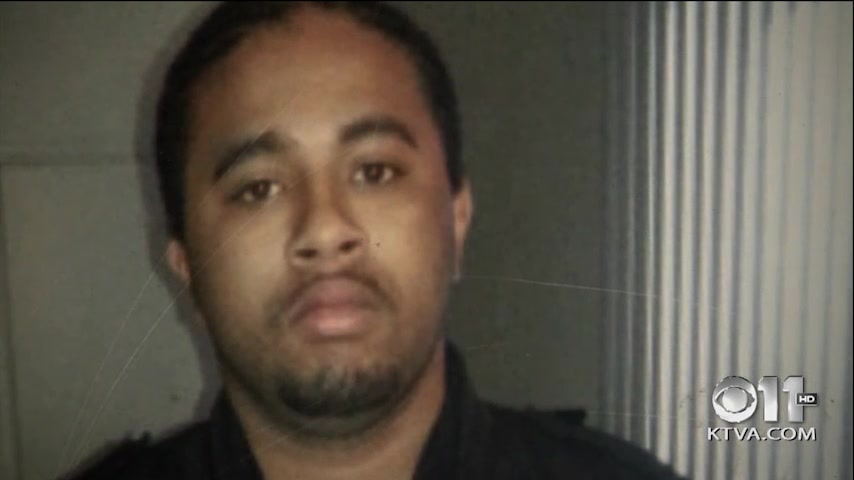 One of the inmates, 20-year-old Davon Mosley, was found dead in his cell in April of 2014 after spending two weeks in segregation at the Anchorage correctional facility. Since then, Mosley’s family has been fighting to get video of how he died out to the public.
Mosley suffered from bipolar disorder and schizophrenia, but never received his medications while in jail, according to his family.
“A lot of people we’ve talked to said that Davon asked for his medications,” said Mosley’s mother, Lorraine. “[An inmate] that was next to him even asked for his medication in the hopes that they would give my son his and they didn’t; it’s like the nurses ignored him.”
Finally, at a joint Alaska House and Senate judiciary committee hearing earlier this month, the state released the disturbing images and footage revealing how Mosley and three other inmates died in separate incidents at the facility.
The state review found that Mosley was put in segregation for more than a week after trying to fight a correctional officer.
One of the videos shows Mosley’s time in solitary confinement. He was pepper spayed, left naked with nothing but a suicide blanket for several days and at one point, there was food thrown at him. His condition worsened, and he eventually died as a result of 12 ulcers.
Vernesia wonders, “What could’ve been done to change this outcome so no other family feels the pain that my family feels right now?”
Walt Monegan, DOC Interim Commissioner, apologized for the deaths and promised change.
“Good things can come out of this, out of the tragedies that we saw, which obviously should never have happened. But, I have faith that this kind of tragic event can produce a lot of great things that will forestall any kind of similar events,” said Monegan.
In Alaska, a seriously mentally ill person is 3.6 times more likely to be incarcerated in jail or prison than admitted into a psychiatric hospital.
Mosley’s story begs a question that reverberates throughout the country: Why do we continue to confine people suffering with severe mental illness within a corrections system ill-equipped to handle them, rather than the mental health system where they belong?
To comment, visit our Facebook page.
Visit our blog archive to read all our recent posts.