

(Oct. 19, 2015) Nearly a quarter of Spartanburg County's jail inmates are on medications for mental health conditions, and the numbers are climbing. Jail officials and mental health professionals are responding by working together to find ways to keep former inmates with mental illness treated after they're released (“Leaders seek to improve mental health treatment for inmates,” Spartanburg Herald Journal, Oct. 15).
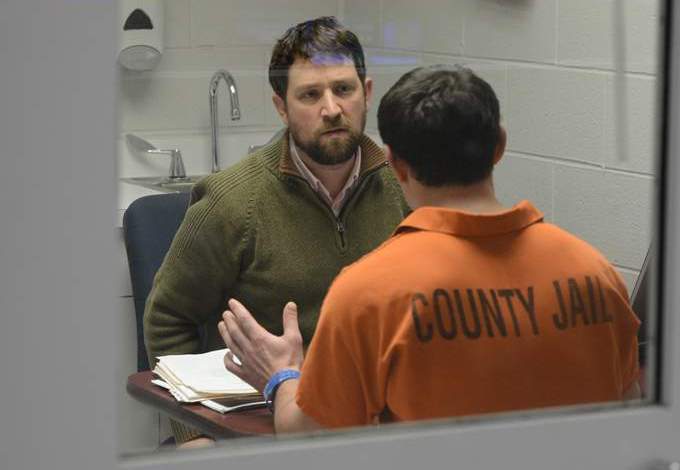 Spartanburg County jail staff report that they currently administer psychiatric prescriptions to 178 of the jail's 722 inmates, and psychotropic medications account for about 78 percent of the jail's entire medical budget. But the high cost of treating mental illness behind bars is worth it, they say.
“We have to do something about it while they're in here,” said Kathy White, the jail’s medical director. “No, a jail is not a mental health facility, but we all have a part to play.”
Jail Director Neal Urch believes that if inmates’ mental health conditions can be treated in jail and they can continue treatment once they're out, it might be one small step toward ending a cycle of recidivism.
Consequently, all inmates suffering with mental illness are now receiving prescriptions and follow-up appointments scheduled for them at the Department of Mental Health when they are released from Spartanburg County jail.
“We're focusing more on their mental illness now. With better information, we can be more proactive in their care,” Urch said. “Before, we'd just send them out the door.”
Eric Fluckinger, the clinical counselor and jail liaison for the mental health department, agrees that discharge planning is important. If patients don't continue to follow up on their medications once they are out of jail, they can easily backtrack. People on antipsychotic medications can begin losing their ability to think normally within 24 hours of not taking their medications, and can become completely unstable within 48 hours, Fluckinger said.
South Carolina is not unique in the problems it faces with mental illness in jails and prisons. Across the country, there are now 10 times more individuals with serious mental illness in prisons and jails than there are in state mental hospitals.
The measures being taken to connect inmates to the right places on the outside is certainly a step in the right direction, and may indeed lead to a reduction in the number of mentally ill inmates returning to jail after release.
But, South Carolina must also focus on criminal diversion efforts to ensure that people with serious mental illness are being diverted away from jail and prisons in the first place, and being treated for their illness, rather than punished for it.
Read the Treatment Advocacy Center report on the “Prevalence of Mental Health Diversion Practices” across the states to learn more.
To comment, visit our Facebook page.
Visit our blog archive to read all our recent posts.