

(Oct. 15, 2015) An array of lawsuits alleging inmate abuse and medical negligence have been filed against Arkansas jails and prisons in the past few years.
 “Overcrowding and the stress of supervising more people leads to more violence and neglect at the hands of officers — and more vindictive neglect,” said Attorney Omavi Shukur of the nonprofit criminal justice reform organization Seeds of Liberation.
These concerns have been echoed in dozens of conversations with legislators, lawyers, corrections officials, civil rights groups, inmates and their families, and all agree that a lack of space and training exacerbate brutal conditions behind bars, especially for the mentally ill (“What’s the matter with Arkansas? Prison and jail lawsuits signal trouble,” Al Jazeera America, Oct. 14).
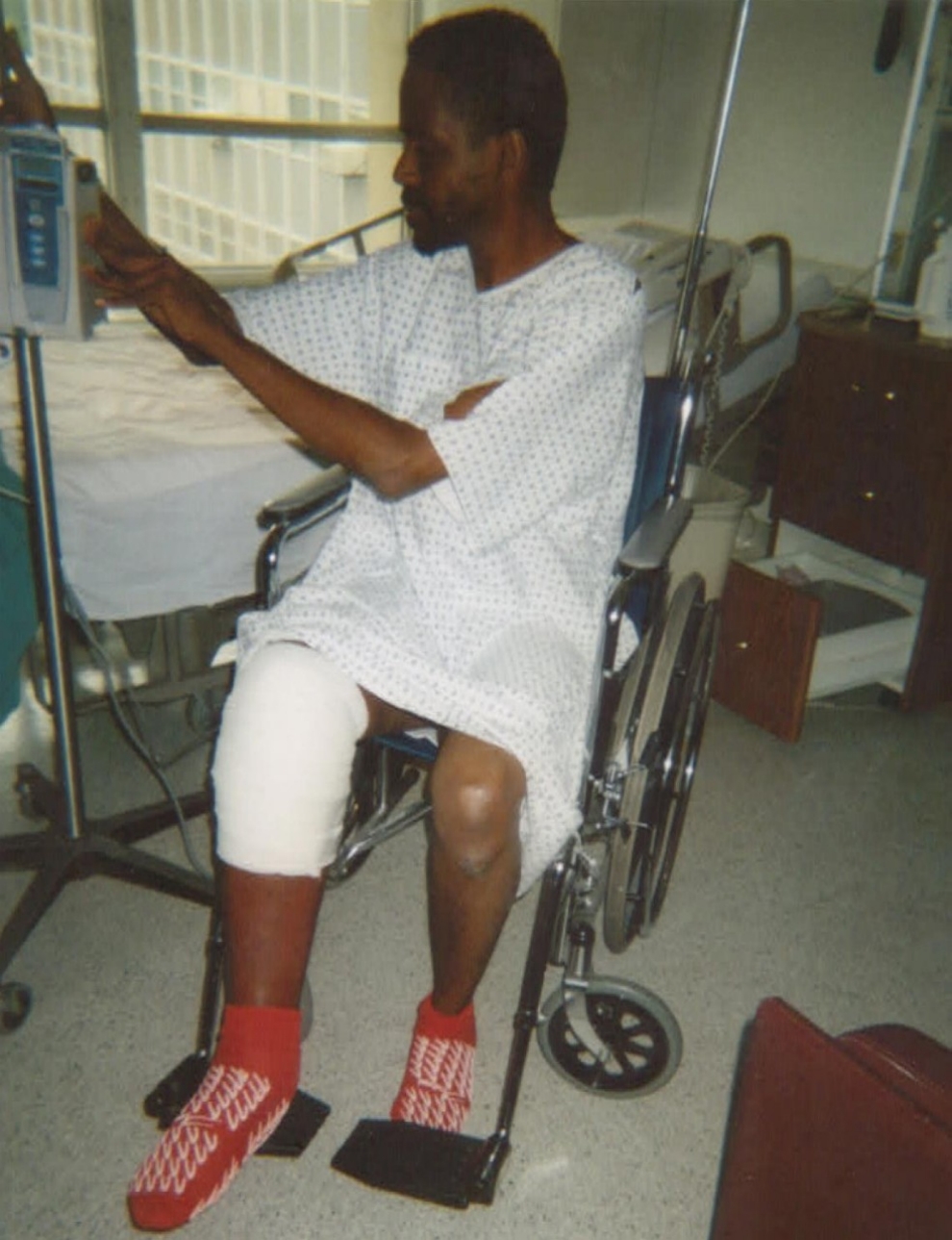
Carl Jackson experienced this firsthand when he suffered a psychotic break due to untreated bipolar disorder and broke a car window in front of several police officers.
Jackson was taken to the Pulaski County Jail, where he was put in a solitary cell with the water turned off. He lay there naked for days, covered in urine and without any access to his medication. His leg began to swell, and he eventually became so thirsty, he drank from the toilet. By the time he was released from jail, Jackson had developed sepsis in his leg.
Jackson remembers one incident when a guard escorted him to the shower. Jackson pointed to his swollen leg and told the guard he could barely walk and needed medical attention. The guard, he says, just ignored him.
“I felt like he realized that I was injured, but because of my mental state, he didn’t feel like I should be treated,” says Jackson, who now walks with a limp and has permanent muscle and nerve damage. “Obviously he felt the best course of action was to leave me in my cell.”
According to Jackson’s attorney, Nicholas Lincoln Rogers, prison and jail employees are often “woefully unprepared for [dealing] with problems the mentally ill present” because they have “virtually no training or expertise.” Guards “are expected to be caretakers,” he says, “but they are trained as enforcers.”
Arkansas isn’t doing enough to stem the tide of mentally ill entering jails and prisons across the state. Arkansas received an F grade in our 2013 state survey for its failure to utilize mental health diversion tactics, like mental health courts and crisis intervention training (CIT).
Jails and prisons across Arkansas will continue to see an influx of inmates with mental illness, and additional lawsuits, until the state increases its efforts to divert people with serious mental illness away from the correctional system and into the mental health system where they belong,
Read the Treatment Advocacy Center report “The Treatment of Persons with Mental Illness in Prisons and Jails” to learn more.
To comment, visit our Facebook page.
Visit our blog archive to read all our recent posts.