

(July 14, 2015) Thus far, the discussion about Sheehan v. San Francisco has focused primarily on the 2008 police shooting of Teresa Sheehan – a then-59-year-old, mentally ill woman shot multiple times during an altercation with San Francisco law enforcement. But more attention must be paid to the ways in which the mental health system abandoned Sheehan and allowed her situation to reach boiling point (“The trials of Teresa Sheehan,” BuzzFeed, July 9).
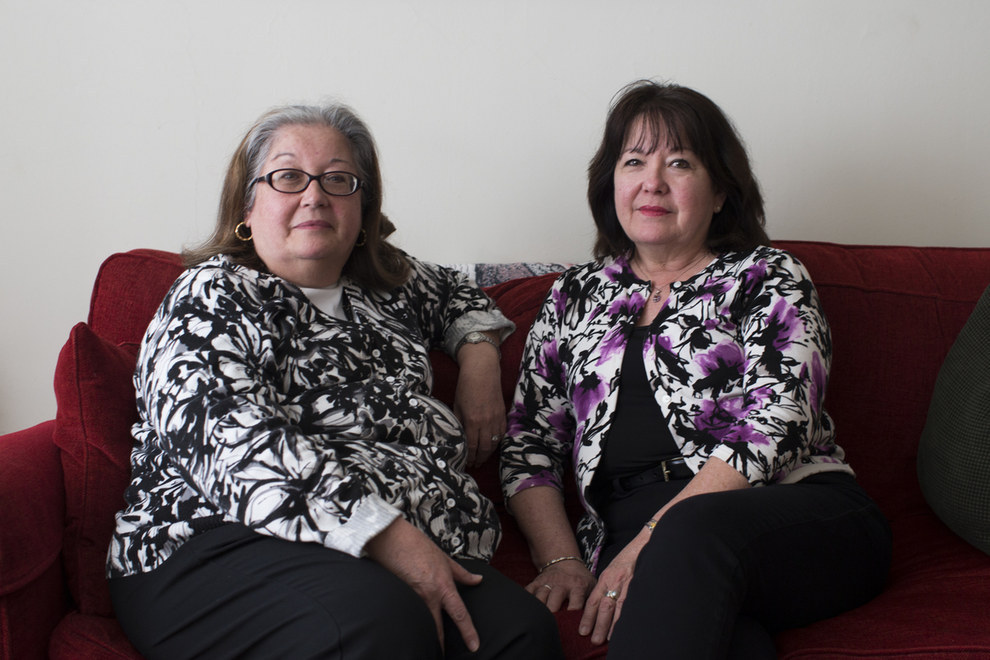 The Sheehan family’s options in terms of helping Teresa were few.
Her sisters, Patricia and Frances, attest that Teresa did not believe she had an illness, and still does not - a common symptom of severe mental illness, known as anosognosia.
“She is so stubborn,” Patricia said. “That’s the worst trait for somebody with her illness.”
The longest Teresa has ever been in a psychiatric facility is about three weeks, the sisters said. Her involuntary psychiatric stays have mostly been within the 72-hour period allowed by California law.
But the Sheehan family could not force Teresa into longer-term care, until she proved a danger to herself or others or “gravely disabled”. With a more progressive treatment standard, Teresa could have been hospitalized much sooner.
Instead, “Teresa Sheehan’s mental health care has been a patchwork of emergency rooms and outpatient programs,” writes BuzzFeed. “She has seen countless nurses, countless doctors. She’s been prescribed, and stopped taking, countless medications. She is not wrong, in other words, to be skeptical of mental health care. ”
Frances recalls one hospital stay when a new psychiatrist wanted to talk and Teresa said, “Why should I talk to this person? They’re just going to be there a short while. Then I’ll have to start all over again.”
Even when she would get in a relatively stable situation, Teresa never received proper care. For example, the co-op for adults with mental illness where Teresa lived at the time of her encounter with police allowed her to go a year and a half without taking medication to treat her schizoaffective disorder.
Teresa Sheehan’s case serves to highlight the ways in which this country’s current mental health system fails the most severely ill time and time again.
The “Helping Families in Mental Health Crisis Act,” reintroduced last month by Representatives Tim Murphy and Eddie Bernice Johnston, gives families like the Sheehans the tools necessary to help their loved ones with severe mental illness access the treatment they need to prevent tragedy and recover their lives.
(Photo: Stephen Lam/BuzzFeed News)
To comment, visit our Facebook page.