

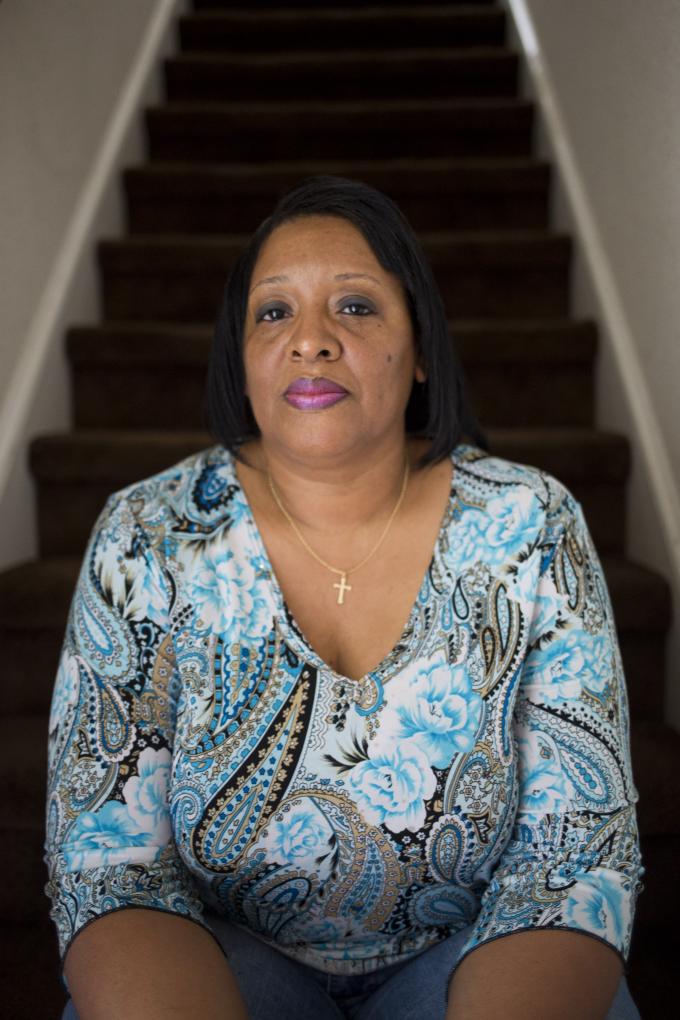
(June 8, 2015) Last week marked one year since the shooting death of David Latham, a 35-year-old diagnosed with schizophrenia and bipolar disorder. Latham’s mother, Audrey, recalls the events leading up to her son’s death vividly (“One year ago: In Norfolk, a call for help, then a hail of bullets,” Virginian-Pilot, Jun. 5).
 Last June, Latham got into an argument with his brother over a bag of potato chips and grabbed a knife. Audrey called the police, something she had done many times before.
"We kind of trusted them," Audrey said. "A lot of times they would come out and talk with David."
Audrey considered calling the police as part and parcel with her son's illness. Many of the officers were familiar with David and aware of his longstanding mental illness.
But this time, one of the responding officers was unfamiliar with Latham, Audrey says. Latham was still holding the knife when he answered the door for police. Within minutes, the officer shot Latham nine times.
"It was a senseless murder," Audrey said. "How can you shoot someone all those times when no crime was committed?”
What happened to Latham illustrates the often violent collision between mental illness and law enforcement. It is estimated that “at least half of the people shot and killed by police each year in this country have mental health problems.”
Laura Usher, crisis intervention training manager for the National Alliance on Mental Illness, encounters numerous families like the Lathams.
“Families have a horrible calculation to make,” said Usher. Do they let their loved ones get worse and worry about their own safety or do they call the police and worry about how they are going to respond, she asked.
Research has established the effectiveness of Crisis-Intervention Training (CIT) in reducing the criminalization of mental illness. A police department’s embrace of CIT serves a number of vital purposes – for example, having officers with knowledge of mental illness respond to sensitive incidents sharply reduces the risks of injury and death.
Perhaps, if the officer who responded to Audrey’s call for help had received crisis intervention training, her son would still be alive today.
(Photo: Brianna Soukup/The Virginian-Pilot)
To comment, visit our Facebook page.
Visit our blog archive to read all our recent posts.
Last June, Latham got into an argument with his brother over a bag of potato chips and grabbed a knife. Audrey called the police, something she had done many times before. "We kind of trusted them," Audrey said. "A lot of times they would come out and talk with David."
Audrey considered calling the police as part and parcel with her son's illness. Many of the officers were familiar with David and aware of his longstanding mental illness.
But this time, one of the responding officers was unfamiliar with Latham, Audrey says. Latham was still holding the knife when he answered the door for police. Within minutes, the officer shot Latham nine times.
"It was a senseless murder," Audrey said. "How can you shoot someone all those times when no crime was committed?”
What happened to Latham illustrates the often violent collision between mental illness and law enforcement. It is estimated that “at least half of the people shot and killed by police each year in this country have mental health problems.”
Laura Usher, crisis intervention training manager for the National Alliance on Mental Illness, encounters numerous families like the Lathams.
“Families have a horrible calculation to make,” said Usher. Do they let their loved ones get worse and worry about their own safety or do they call the police and worry about how they are going to respond, she asked.
Research has established the effectiveness of Crisis-Intervention Training (CIT) in reducing the criminalization of mental illness. A police department’s embrace of CIT serves a number of vital purposes – for example, having officers with knowledge of mental illness respond to sensitive incidents sharply reduces the risks of injury and death.
Perhaps, if the officer who responded to Audrey’s call for help had received crisis intervention training, her son would still be alive today.
(Photo: Brianna Soukup/The Virginian-Pilot)
To comment, visit our Facebook page.
Visit our blog archive to read all our recent posts.