

(May 12, 2015) Joseph Minoglio, a 20-year-old diagnosed with paranoid schizophrenia, pled guilty on Monday to stabbing his grandparents to death in their Maryland home during a psychotic break last year (“Man pleads guilty to 2014 murders, will be held in mental institution,” WHAG, May 11).
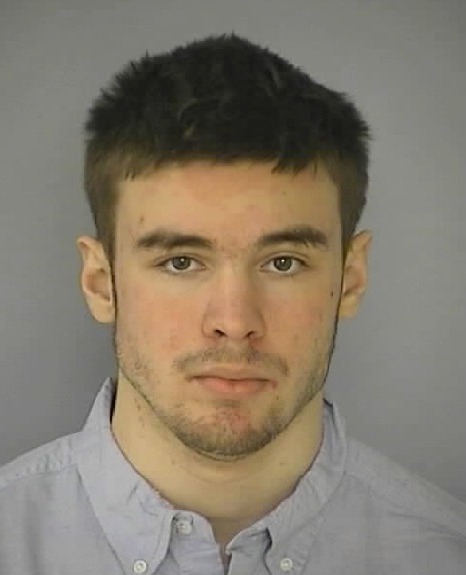 As a result of his plea agreement, Minoglio will not be held criminally responsible for the murders. Instead, he will be held in a psychiatric facility for an indefinite amount of time.
"He was diagnosed with a very, very significant mental illness that caused him not being able to tell the difference between right and wrong, or not being able to control his actions," said Joseph S. Michael, Deputy State's Attorney. "In this case, he could not tell that his actions were wrong and he couldn't control his actions.”
According to court documents, Minoglio's parents had urged their son to seek treatment for his mental illness, but Minoglio did not believe he was sick and refused treatment.
Minoglio told authorities that voices ordered him to stab his grandparents while they were watching television.
"Mental illness - whether it's depression, bipolar, psychosis, it doesn't matter - it needs to be treated as a medical injury, not a mental injury where you wait and you take the back door treatment and you fall through the cracks and things like this happen," Minoglio’s father said in court.
It is important to remember that individuals with severe mental illness that is effectively treated are no more dangerous than the general population. However, untreated severe mental illness significantly raises the risk of violence. Young males in particular are at heightened risk when untreated.
Maryland is one of only five states that do not authorize involuntary psychiatric treatment in the community, often called “assisted outpatient treatment (AOT)” or “outpatient commitment.”
Tragedies like these will continue in Maryland until the state provides involuntary treatment options for individuals who are severely ill and gets people into treatment before they are dangerous.
To comment, visit our Facebook page.
Visit our blog archive to read all our recent posts.
As a result of his plea agreement, Minoglio will not be held criminally responsible for the murders. Instead, he will be held in a psychiatric facility for an indefinite amount of time."He was diagnosed with a very, very significant mental illness that caused him not being able to tell the difference between right and wrong, or not being able to control his actions," said Joseph S. Michael, Deputy State's Attorney. "In this case, he could not tell that his actions were wrong and he couldn't control his actions.”
According to court documents, Minoglio's parents had urged their son to seek treatment for his mental illness, but Minoglio did not believe he was sick and refused treatment.
Minoglio told authorities that voices ordered him to stab his grandparents while they were watching television.
"Mental illness - whether it's depression, bipolar, psychosis, it doesn't matter - it needs to be treated as a medical injury, not a mental injury where you wait and you take the back door treatment and you fall through the cracks and things like this happen," Minoglio’s father said in court.
It is important to remember that individuals with severe mental illness that is effectively treated are no more dangerous than the general population. However, untreated severe mental illness significantly raises the risk of violence. Young males in particular are at heightened risk when untreated.
Maryland is one of only five states that do not authorize involuntary psychiatric treatment in the community, often called “assisted outpatient treatment (AOT)” or “outpatient commitment.”
Tragedies like these will continue in Maryland until the state provides involuntary treatment options for individuals who are severely ill and gets people into treatment before they are dangerous.
To comment, visit our Facebook page.
Visit our blog archive to read all our recent posts.