

(March 30, 2015) Diagnosed with paranoid schizophrenia, Jason Rios, 24, had been involuntarily committed to a psychiatric hospital in Florida three times before beating his disabled mother and 9-year-old niece to death with a crowbar last month (“Editorial: The fatal consequences of neglecting mental health issues,” The Tampa Bay Times, Mar. 24).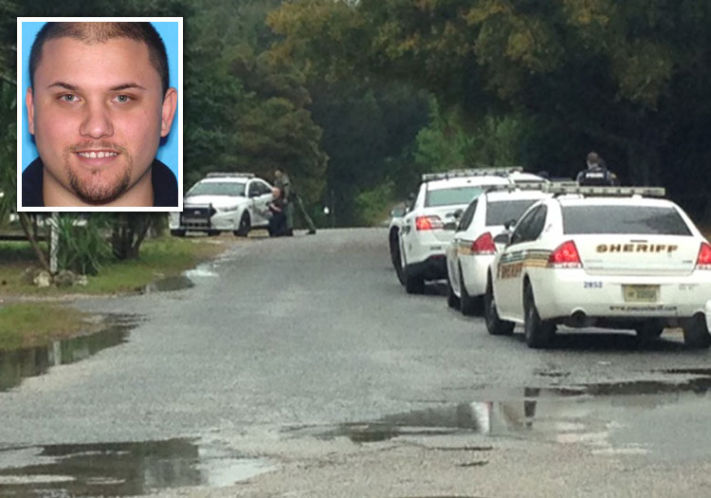 Following each of his psychiatric crises, Rios returned home from the hospital and “resumed his role as a dedicated, helpful family member,” his family said.
But on the morning of February 5th, Rios killed his wheelchair bound mother and young niece. Rios had no prior history of violence and his family had no reason to suspect that he was dangerous.
“That violent slide by Rios illustrates the unpredictable nature of mental illness and the dangers of an underfunded state mental health system that fails to provide adequate follow-up care,” the Times reports.
"We see so often that a lot of people that do commit some pretty violent crimes have a long history of mental illness," said Judge Thomas McGrady, the chief judge for Pinellas and Pasco counties. "The state has to be committed to having treatment facilities for them."
When people with severe mental illness receive appropriate and effective treatment, their risk of committing violent acts is no greater than that of the general population.
But when they do not receive treatment, multiple studies on serious mental illness and dangerousness have found their risk of violent behavior, including homicides, to be significantly elevated.
So, how do we treat people who, because of their illness, are too sick to recognize their illness? We improve the laws that are roadblocks to treatment. Policies that prevent people with severe mental illnesses from receiving treatment contribute to tragic acts of violence like this.
Rios’ case is further evidence of the need for mental health reform, both in Florida and across the nation.
To comment, visit our Facebook page.
Visit our blog archive to read our recent posts.