

(Jan. 29, 2015) “Imagine that you’ve come upon a medical emergency. What’s your first instinct?” This is the question posed by John Wetzel, secretary of corrections for Pennsylvania (“Is treating mental illness the proper role of corrections?” Lancaster Online, Jan. 25).
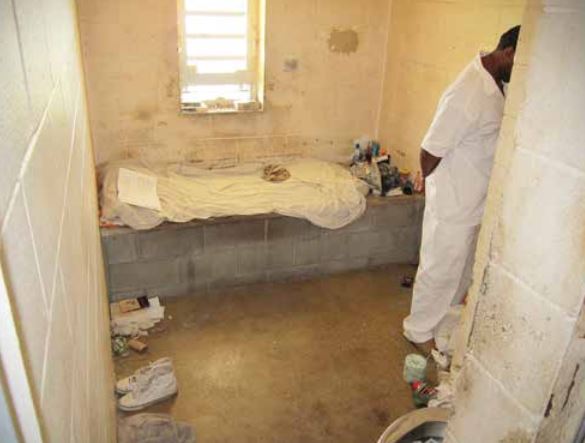 “Dial 911, and ask for an ambulance,” he writes. “Now, contrast that with coming upon someone having a mental health crisis. What’s your first instinct? Dial 911, and ask for police.”
It should not be the case that people with medical emergencies end up in the hospital while people suffering a psychiatric crisis end up in jail, Wetzel says.
Further, the criminal system should not be adjusting to the influx of people with mental illness, he writes. But, “I’m concerned that the criminal justice system will adjust, is adjusting, and in many cases has adjusted” to the influx of people with mental illness.
“We all need to learn to look at people with mental illness as deserving of treatment and compassion, and that does not necessarily always include incarceration.”
We couldn’t agree more. One way to ensure that the criminal justice system isn’t forced to become the primary way that people with mental illness receive treatment is to make sure that people with serious mental illness get treatment before they end up in jail or prison.
To do this, Pennsylvania might start by improving its civil commitment laws. In a survey of state laws that allow people access to treatment, even if they are unable to seek it, Pennsylvania received a C-.
If Wetzel really wants to reduce the burden of mental illness on the jails and prisons, he should consider promoting common-sense laws that would ensure that the criminal justice system never adjusts to, or accepts, people with serious mental illness.
To comment, visit our Facebook page.
Visit our blog archive to read all our recent posts.