

(Jan. 26, 2015) For the first time in years, Peggy Profeta, 59, is experiencing stability. She says she is grateful for her studio apartment because she is all too familiar with life on the streets (“How can O.C.'s homeless with mental illness be helped? A home is a start, and here's who's helping,” OC Register, Jan. 21).
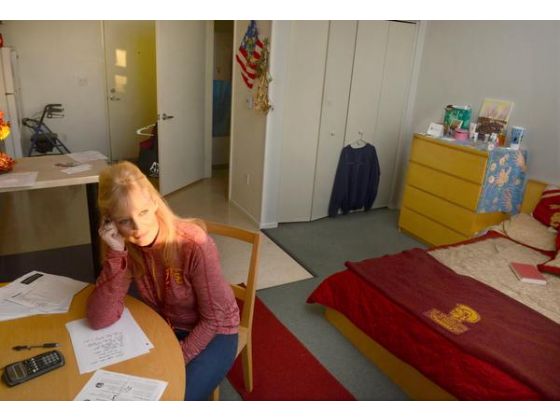 Following a psychiatric crisis resulting from her schizoaffective disorder, Profeta spent almost seven years homeless. Now she lives in a federally subsidized apartment complex in Orange County, California, that houses formerly homeless, mentally ill adults and provides the support they need to lead more independent lives.
“It’s very, very wonderful what they’ve done for me here,” said Profeta.
But Profeta is one of the lucky ones. People with untreated psychiatric illnesses constitute one-third, or between 150,000 and 200,000 people, of the estimated 744,000 homeless population, according to a Treatment Advocacy Center backgrounder on the issue.
Offering subsidized housing and services saves lives and money by reducing recidivism to emergency rooms, jails and court. But if we really want to get serious about helping the most vulnerable among the homeless – those who are homeless and mentally ill – we need to recognize that many also need psychiatric treatment and make sure they get it.
Profeta is one shining example of how much the mentally ill homeless benefit from having a place to call home. But recovery takes many steps. For many with the most serious psychiatric diseases, the road begins with treatment.
To comment, visit our Facebook page.
Visit our blog archive to read all our recent posts.