

(Nov. 11, 2013) As if it’s not bad enough to be suffering from a severe mental illness and behind bars in a jail or prison – once inside, things can get very very much worse.
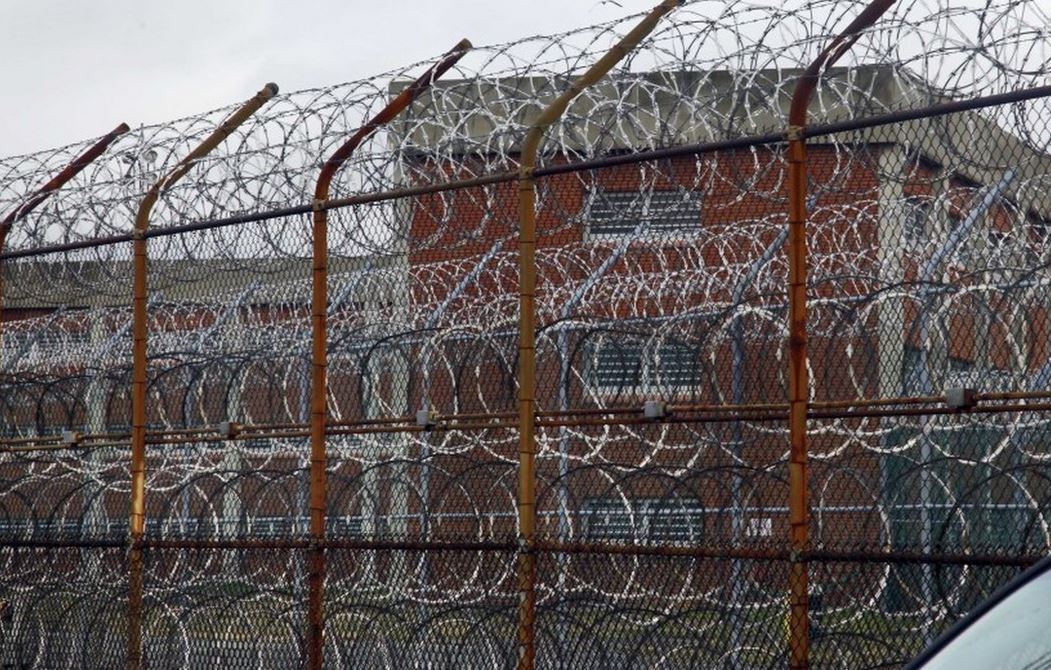 In New York’s infamous Rikers Island, a new study obtained by the Associated Press reports that just over half the 800 inmates confined to isolation in the prison are mentally ill, including six inmates who have each served more than 1,000 days in solitary (“AP: Review faults NYC on solitary for mentally ill,” Nov. 6).
Overall, 40% of the prison’s 12,200 inmates have a mental health diagnosis, the study found, including about 4,000 with severe mental illness. Self-mutilations and suicide attempts were up 75% in the five years ending in 2012, the study found, and use of force by correction staff on inmates tripled.
Meanwhile, a Washington, DC, study reports that 40% of the inmates in the District’s jail likewise suffer from mental health conditions, and their mental health problems are linked to “a rash of suicides” in which 165 inmates have attempted to kill themselves in the jail in the last two years (“DC jail works to stem rash of suicides, but mental-health efforts could strain resources,” Nov. 10).
The DC study said a “culture” in which jail officers and health workers regard “most suicide attempts (as) efforts by inmates to get attention, such as a night in a hospital room with dinner and a television” is in part to blame for the epidemic.
The response to Rikers’ exploding population of mentally ill prisoners so far has been … to create more beds for solitary confinement: The city has increased isolation beds by 61.5% in the past six years, (“Rikers Island study reveals overuse of solitary on prisoners with serious mental illness," Nonprofit Quarterly, Nov. 11).
Down in DC, Mayor Vincent C. Gray has committed $600,000 to … “start retrofitting aging cells to remove welded towel bars and clothes hooks” so it’s not so easy for inmates to hang themselves.
It’s bad enough that the people with mental illness most at risk to become inmates end up behind bars because they don’t get treatment for a treatable disease.
It’s inconceivable that, once they have, the best New York and Washington can come up with is to confine still more in isolation or take down their towel bars.
To comment, visit our Facebook page.
Visit our blog archive to read all our recent posts.